
7 Best Paint Colors That Actually Transform Your Home
Alright, let’s cut the nonsense. You’ve seen the gorgeous paint colors on Pinterest, bought a tiny sample, slapped it on the wall, and now your living room looks like a hospital waiting room or a swamp. Sound familiar? That’s because most people pick paint like they’re ordering coffee: based on a pretty name or a fleeting trend. They ignore the science, the light, and their own home’s personality. Stop doing that. It’s a waste of time and money. Picking the right paint isn’t about finding the ‘perfect’ color; it’s about understanding how colors actually behave in your space.
The Undertone Trap: Why Your “Perfect Gray” Turns Blue
You probably think gray is just gray, right? Or beige is just beige. Wrong. This is the biggest mistake people make. Every paint color, especially neutrals, has an undertone. That’s the subtle hint of another color peeking through. Ignore it, and your walls will clash with everything or look completely different than you expected. A gray with a blue undertone will look icy in a north-facing room. A beige with a green undertone can look muddy. You need to identify these before you even think about buying a gallon.
Identifying Warm vs. Cool Undertones
Here’s the trick: don’t look at the color in isolation. Hold a sample of the paint against a true white (like a piece of printer paper). Then, hold it against colors with obvious undertones – a true red, a true blue, a true yellow. Your gray might suddenly reveal a green or purple tint. Grays often have blue, green, or purple undertones. Beiges often lean yellow, pink, or green. Whites aren’t just white; they can be crisp blue-whites, creamy yellow-whites, or even slightly green-whites. For example, Sherwin-Williams’ Agreeable Gray (SW 7029) is a popular greige because its warm, slightly green undertone keeps it from feeling cold, unlike a cooler gray like Benjamin Moore’s Stonington Gray (HC-170) which shows blue.
The Critical Role of Natural Light
Light changes everything. A color that looks fantastic in a brightly lit, south-facing room will be completely different in a dim, north-facing room. North-facing rooms get cool, blue light, which will amplify blue or green undertones in your paint. South-facing rooms get warm, golden light, which brings out yellow and red undertones. East-facing rooms get bright, warm morning light, then cooler light later. West-facing rooms get intense, warm afternoon light. You absolutely must test large swatches (at least 12×12 inches) on multiple walls in the room you’re painting. Look at them at different times of day – morning, noon, and evening. Don’t skip this step. It’s non-negotiable.
Stop Chasing Trends: Pick Colors for Your Home, Not Instagram

Seriously, ditch the “trend reports” for a minute. While it’s fine to draw inspiration, blindly following whatever’s hot on social media is how you end up with a house that doesn’t feel like you. Your home isn’t a magazine shoot; it’s where you live. The best paint color is the one that works with your existing elements and makes you feel good, not the one everyone else is doing. A color like Farrow & Ball’s Hague Blue (No. 30) might be stunning in a grand, historic home, but could overwhelm a small, modern apartment. Context is everything. Always has been.
Match Your Home’s Architecture and Fixed Elements
Your home already has a story. Look at its fixed elements: flooring, kitchen cabinets, bathroom tiles, fireplace stone. These are expensive to change, so your paint needs to complement them. If you have warm oak floors and cream trim, a stark cool gray will likely clash. Consider the architectural style too. A classic colonial might shine with a traditional palette of muted blues, greens, and creams, while a mid-century modern home could pull off more vibrant or earthy tones. You’re not starting from scratch. Work with what you’ve got.
How Existing Furniture Dictates Your Palette
Your sofa isn’t going anywhere, is it? Neither are those accent chairs or the rug you love. Paint should be the last thing you pick, not the first. Take cues from the colors and textures already present in your furnishings. If your sofa is a deep jewel tone, you might want a more neutral or complementary color on the walls to balance it out. If your furniture is mostly neutral, you have more freedom to introduce color through paint. Don’t fight your existing decor; let it guide your choices. It’s about creating a cohesive look, not a battle of the bold.
The Neutrals That Never Fail (Almost): A Quick Guide
Some neutrals are just better. They’re versatile, forgiving, and truly work in a multitude of spaces. These aren’t just “safe” choices; they’re smart choices that provide a beautiful backdrop without demanding all the attention. They allow your furniture, art, and accessories to shine. But even with these, undertones still matter. Pick the right one, and you’ve got a winner. Pick the wrong one, and it’s back to square one. Here are some reliable picks that designers lean on constantly:
| Brand | Color Name | Undertone | Best Use Case |
|---|---|---|---|
| Sherwin-Williams | Agreeable Gray (SW 7029) | Warm Gray/Greige | Open concept, versatile, acts as a warm neutral in many lights. |
| Sherwin-Williams | Repose Gray (SW 7015) | Cool Gray/Greige | Modern, well-lit spaces, pairs well with cooler furnishings. |
| Benjamin Moore | Revere Pewter (HC-172) | Warm Greige | Classic, inviting, flexible, shifts with light beautifully. |
| Benjamin Moore | White Dove (OC-17) | Soft Off-White | Trims, ceilings, walls for warmth without being yellow; very versatile. |
| Farrow & Ball | Elephant’s Breath (No. 229) | Warm Gray/Fawn | Sophisticated, atmospheric; creates a subtle, warm backdrop. |
Sherwin-Williams’ Reliable Greiges and Whites
Sherwin-Williams is a go-to for a reason. Their greiges are legendary. Agreeable Gray is a superstar because it balances warm and cool perfectly, making it adaptable to almost any home. It truly is agreeable. Repose Gray is slightly cooler, leaning more into true gray territory but still holding enough warmth to avoid being stark. For whites, Sherwin-Williams’ Pure White (SW 7005) is a clean, crisp white without strong undertones, making it excellent for trim, ceilings, or even walls if you want a minimalist look. It’s a true workhorse.
Benjamin Moore’s Classic Off-Whites and Soft Grays
Benjamin Moore also delivers consistent winners. Revere Pewter is another greige icon, perhaps slightly warmer than Agreeable Gray, with a beautiful depth that prevents it from feeling flat. It’s a classic for a reason. For whites, White Dove is a soft, creamy off-white that feels incredibly inviting and warm without being yellow. It’s fantastic for walls, trim, cabinets – everywhere. If you need a slightly cooler, very light gray, Benjamin Moore’s Edgecomb Gray (HC-173) is another solid, versatile choice that reads as a light, airy neutral.
Go Bold or Go Home: Embrace Deep, Saturated Hues

Neutrals are great, but sometimes you need some drama. Don’t be afraid to go dark or saturated. Deep colors can add incredible sophistication, coziness, and character to a room. They can make a large room feel more intimate or a small room feel like a jewel box. The key is knowing when and where to use them. A rich navy like Sherwin-Williams’ Naval (SW 6244) or a deep charcoal like Benjamin Moore’s Kendall Charcoal (HC-166) can completely transform a space, adding an unexpected layer of depth. These aren’t just for accents anymore; full rooms in these shades are incredibly stylish.
Maximizing Impact with Dark Accent Walls
An accent wall is your easiest entry point into bold color. It’s less commitment but delivers a significant punch. Pick the wall you want to highlight – often the one behind the bed, a fireplace, or a prominent piece of furniture. A dark green, like Farrow & Ball’s Studio Green (No. 93), can create a stunning backdrop for art or built-ins. Use it to define a zone within an open-concept space or to add drama to an otherwise neutral room. Just make sure the bold color connects to something else in the room – a throw pillow, a piece of art – so it doesn’t feel random.
Full Room Immersion: When It Works
Painting an entire room a deep, saturated color is a brave move, but it pays off. This works exceptionally well in rooms you want to feel cozy, intimate, or moody – think dining rooms, studies, or bedrooms. A dark, enveloping color like Benjamin Moore’s Hale Navy (HC-154) on all walls can turn a formal dining room into a sophisticated haven. It also makes artwork and metallic accents pop dramatically. This strategy can even make a small room feel larger by blurring the boundaries and removing visual clutter. The trick is ensuring you have adequate lighting, both natural and artificial, to prevent the room from feeling like a cave during the day.
Light Reflective Value (LRV): Your Scientific Color Compass
Forget feelings for a second. Let’s talk science. Every paint color has a Light Reflective Value (LRV). This number, usually found on the back of a paint swatch or online, tells you how much light a color reflects. It’s a scale from 0 (absolute black, reflects no light) to 100 (pure white, reflects all light). This isn’t just trivia; it’s a critical tool for predicting how a color will perform in your space. A high LRV means the color will bounce more light around, making a room feel brighter and more open. A low LRV means it will absorb light, making a room feel cozier or more intimate. You need to pay attention to this number.
Understanding LRV Numbers: What They Mean
Generally, colors with an LRV above 70 are considered light, while those below 50 are considered dark. A true neutral white might have an LRV of 85-90. A deep charcoal could be around 10-15. If you’re painting a small room with limited natural light, picking a color with an LRV below 50 is a gamble. It will likely make the room feel smaller and darker. Conversely, using a color with a very high LRV in a large, brightly lit room might make it feel sterile or overly stark. It’s all about balance and how you want the room to feel and function. Don’t guess; check the LRV.
Using LRV to Manipulate Space and Light
You can literally manipulate how a room feels just by understanding LRV. Want a small room to feel bigger and brighter? Opt for colors with high LRV. They push the walls out visually and maximize available light. Want to make a sprawling, cavernous room feel more intimate? Choose colors with lower LRV to draw the walls in and absorb excess light. Consider the ceiling, too. Painting it a high LRV white will lift it. Painting it a low LRV color, or even the same color as the walls, can create a cozy, enveloping effect. It’s a practical tool, not just a design theory. Use it.
Best Paint Colors for Specific Rooms: Direct Verdicts
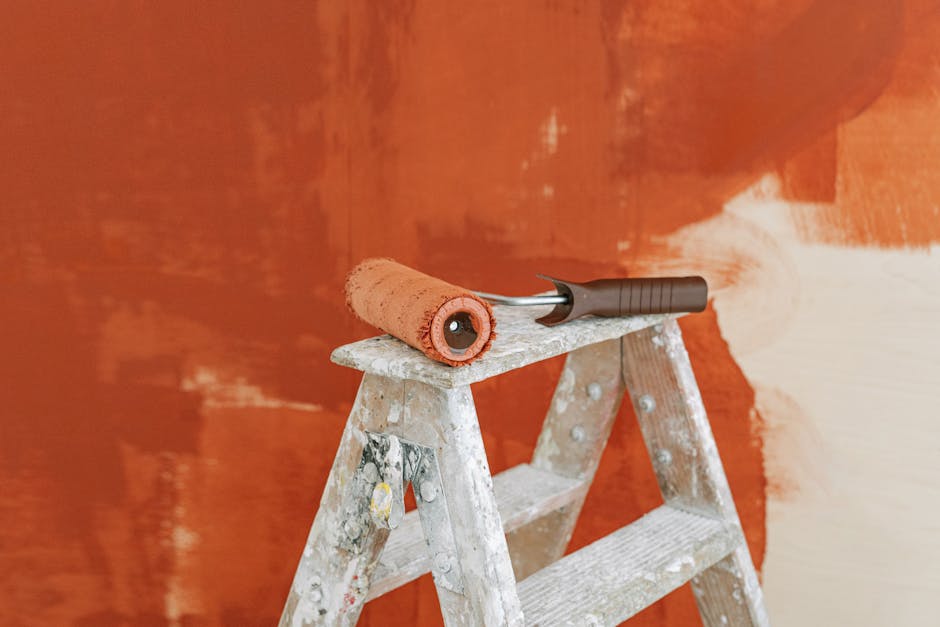
Some rooms just demand certain vibes. Here’s the straight talk on what works where, without all the fluff. These are the default settings you should consider before veering off course.
Kitchens: Crisp & Energizing Picks
Kitchens need to feel clean, bright, and often energetic. Whites, off-whites, and very light grays are usually your best bet. Think Benjamin Moore’s Chantilly Lace (OC-65) for a pure, bright white or Sherwin-Williams’ Accessible Beige (SW 7036) if you prefer a subtle warmth. Light blues or greens can also work if your cabinets and countertops allow, offering a fresh, clean feel without being overpowering. Avoid anything too dark unless it’s an accent or you have abundant natural light.
Bedrooms: Serene & Soothing Choices
This is where you relax. Calm is the priority. Soft blues, greens, lavenders, and muted grays are ideal. Consider Sherwin-Williams’ Sea Salt (SW 6204) for a tranquil blue-green or Benjamin Moore’s Palladian Blue (HC-144) for a serene spa-like feel. Even a soft, warm white like Benjamin Moore’s Simply White (OC-117) can create a peaceful sanctuary. Steer clear of overly vibrant or stimulating colors unless you’re aiming for a very specific, high-energy aesthetic, which most people aren’t in a bedroom.
Living Rooms: Versatile & Welcoming Shades
Living rooms are multi-functional spaces where you entertain, relax, and live. They need to be inviting and flexible. Neutrals are king here: greiges like Benjamin Moore’s Classic Gray (OC-23) or Sherwin-Williams’ Eider White (SW 7014) are excellent backdrops. Soft, muted blues or greens can also work beautifully, creating a calm yet elegant atmosphere. The goal is a color that allows your furniture and accessories to pop while providing a warm, comfortable embrace. Avoid anything too stark or too specific in tone that might limit your decorating options down the line.
The Psychology of Color: More Than Just a Pretty Shade
Color isn’t just about aesthetics; it profoundly impacts your mood and behavior. This isn’t some new-age theory; it’s well-documented psychology. Understanding these basic principles helps you make smarter choices for different areas of your home. You’re not just painting walls; you’re setting a tone for how you and others feel in that space. Get it right, and your home will actually enhance your daily life. Ignore it, and you might wonder why you always feel on edge in your office or can’t relax in your bedroom.
How do colors influence mood and productivity?
Colors have distinct psychological associations. Reds and oranges are stimulating; they can increase heart rate and create a sense of urgency or warmth. Great for a dining room where conversation flows, not so much for a bedroom. Blues and greens are calming and promote feelings of tranquility and focus. They’re excellent for bedrooms, bathrooms, and home offices. Yellows can be uplifting and energetic but too much can lead to anxiety. Neutrals like grays and beiges provide a stable, balanced backdrop, allowing other elements in the room to take center stage without overwhelming the senses.
Can certain colors make a room feel larger or smaller?
Absolutely. Lighter colors with high LRV reflect more light, making a room feel more open, airy, and larger. This is why white and light neutrals are so popular in smaller spaces. Darker colors with low LRV absorb light, making walls appear closer and creating a cozier, more intimate atmosphere. This can be great for a large, cavernous room that feels impersonal, effectively making it feel smaller and more inviting. It’s an optical illusion you can easily control with a paint brush. Don’t underestimate this effect; it’s powerful.
What colors should you avoid for relaxation?
For spaces where relaxation is key, like bedrooms or meditation areas, steer clear of highly saturated, warm, and stimulating colors. Bright reds, oranges, and intense yellows can be too energizing and make it difficult to unwind or fall asleep. While a bold accent might work in a living room, an entire bedroom in a vibrant hot pink or electric lime green would likely disrupt your peace. Stick to cooler, muted tones: soft blues, greens, lavenders, and gentle grays are your best bet for promoting calm and restful sleep. It’s about creating a sanctuary, not a nightclub.
Ultimately, choosing the best paint colors for your home isn’t about magical formulas or fleeting fads. It’s about understanding light, undertones, and how color influences your space and mood. The market isn’t going to stop churning out new shades, but your ability to critically evaluate them will only get sharper. Learn these principles, and you’ll never settle for a ‘pretty good’ paint job again.

Recent Comments