
Best Smart Thermostat Reddit Recommendations for Home Energy Efficiency
The most common misconception regarding smart thermostats is that they are inherently energy-saving devices. Many homeowners believe that simply swapping a manual dial for a sleek, Wi-Fi-enabled screen will slash their utility bills by twenty percent overnight. This is not strictly true. A thermostat is a tool, not a magic wand. If you install a high-end unit but continue to override its schedules or fail to account for your specific HVAC system’s recovery time, you might actually see your costs rise. The real value lies in the logic the device applies to your home’s climate, and finding the right logic requires looking past the marketing gloss into the actual experiences of power users who have lived with these devices through polar vortexes and heatwaves.
The “Set and Forget” Myth: Why Reddit Users Debate Smart Thermostat Savings
When you browse communities like r/HomeAutomation or r/HVAC, a recurring theme emerges: the “learning” feature of many modern thermostats is often the first thing experienced users disable. The idea that a device can observe your patterns and automatically adjust is appealing, but in practice, it often leads to frustration. For instance, if you have an irregular schedule—perhaps you’re a nurse working swing shifts or a freelancer—the algorithm can become confused, resulting in the heat kicking on when the house is empty or staying off when you’re shivering at your desk. Many users eventually revert to a traditional, rigid schedule, which raises the question: why pay for the “smart” features at all?
The answer lies in data and remote orchestration. The ability to monitor your home’s temperature while you are away is invaluable, especially for those with indoor gardens or specific culinary needs. If your furnace fails while you are on vacation, a smart thermostat is your only line of defense against frozen pipes. Furthermore, for those who utilize heat pumps, the logic used to manage “Auxiliary Heat” is critical. Cheap thermostats often trigger expensive electric heat strips too early. High-end models recommended by the Reddit community allow you to set specific outdoor temperature thresholds, ensuring your heat pump does the heavy lifting until it is physically unable to do so, saving hundreds of dollars in the winter months.
There is also the matter of “recovery time.” A smart thermostat calculates how long it takes your home to reach a target temperature based on the outdoor weather. If you want it to be 70 degrees at 7:00 AM, a smart unit might start the boiler at 6:15 AM on a mild day, but at 5:30 AM during a freeze. This precision prevents the system from overshooting the target and wasting energy. However, this only works if the thermostat is placed correctly. A unit installed in a drafty hallway or a spot that catches direct afternoon sun will provide faulty data to the entire system, rendering the “smart” logic useless.
Ecobee vs. Nest: Analyzing the Two Giants of the Smart Home Community

The debate between Ecobee and Nest is the “Coke vs. Pepsi” of the smart thermostat world. On Reddit, the sentiment has shifted significantly over the last three years. While Nest once dominated due to its aesthetic design and Google integration, Ecobee has become the darling of the enthusiast community. The primary reason is the remote sensor. While Nest eventually introduced its own sensors, Ecobee’s system is widely considered more robust for homes with uneven heating—common in older houses where the upstairs is a sauna while the basement is a refrigerator.
Ecobee Smart Thermostat Premium ($249)
The Ecobee Premium is frequently cited as the gold standard. It features a zinc housing and a glass face, but its real power is internal. It comes with a remote sensor included in the box, which tracks both temperature and occupancy. This allows the system to ignore the temperature at the thermostat’s wall location and focus on the room you are actually in. If you are in the living room and it’s 68 degrees, but the thermostat in the hallway thinks it’s 72, the Ecobee will keep the heat running until you are comfortable.
- Pros: Excellent integration with Apple HomeKit, Alexa, and Google Home; includes an air quality monitor; supports complex HVAC setups including humidifiers and HRVs.
- Cons: The interface can feel slightly more “technical” and less intuitive than Nest; the built-in speaker is mediocre for music.
Google Nest Learning Thermostat (Gen 4) ($279)
The Nest Learning Thermostat remains the choice for those who want a device that looks like a piece of art. The Gen 4 model features a borderless display and a high-resolution screen that can act as a clock or a weather station. Its “Learning” algorithm is its flagship feature, designed to build a schedule for you without manual input. However, long-term users often report “phantom” temperature changes where the Nest decides you want it cooler based on a one-time event three days prior.
- Pros: Most attractive hardware on the market; the “Farsight” feature is genuinely useful for seeing the temperature from across the room; very easy installation process for beginners.
- Cons: Limited local control; Google’s privacy reputation is a deterrent for some; sensors do not track occupancy as effectively as Ecobee’s.
| Feature | Ecobee Premium | Nest Learning (Gen 4) | Honeywell Home T9 |
|---|---|---|---|
| Remote Sensors | Included (Temp + Occupancy) | Sold Separately (Temp Only) | Included (Temp + Humidity) |
| HomeKit Support | Native | Matter (Limited) | Native |
| Power Source | C-Wire (PEK included) | Internal Battery/C-Wire | C-Wire Required |
| Price (Approx) | $249 | $279 | $170 |
Best Smart Thermostats for Local Control and Privacy Enthusiasts
A significant portion of the Reddit smart home community is increasingly wary of cloud-dependent devices. If a company like Google or Amazon decides to shut down its servers, or if your internet goes out, a cloud-based thermostat can lose its smart functionality or, in extreme cases, become unadjustable. This has led to a surge in popularity for thermostats that support local control via Zigbee, Z-Wave, or local API access. For these users, the goal is to keep their data off the internet and ensure their home remains functional regardless of their ISP’s status.
The Honeywell Home T9 is often recommended as a middle-ground option. While it has a cloud component, its integration with local hubs is relatively stable. It is praised for its long-range sensors that can penetrate thick walls in older homes where Wi-Fi signals might struggle. However, for the true “tinkerer,” the Venstar ColorTouch is a recurring recommendation. It is one of the few high-end thermostats with a documented local API, allowing users to write their own scripts to control the HVAC system without ever sending a packet of data to a corporate server.
Another rising star in the privacy-focused niche is the Sensi Touch 2 by Emerson. It doesn’t look as futuristic as a Nest, but it is built by a company with deep roots in industrial HVAC. It is highly regarded for its reliability and its “no-nonsense” approach to data. It doesn’t try to sell you a subscription or track your movement for advertising purposes. It simply manages your air. For those running Home Assistant, the Ecobee remains a viable choice because it can be integrated locally via HomeKit Controller, bypassing the Ecobee servers for most daily operations.
“The best smart thermostat is the one you forget exists because it works perfectly. If you are fighting with your thermostat every night at 10 PM, it isn’t smart; it’s a nuisance.”
Managing Indoor Microclimates for Plants and Culinary Projects
In a lifestyle blog focused on food and flowers, the thermostat is more than just a tool for human comfort; it is the life support system for your indoor ecosystem. If you are an avid indoor gardener, you know that tropical plants like Monsteras or Orchids are highly sensitive to the dry, fluctuating air produced by forced-air heating. A smart thermostat equipped with humidity monitoring and control can be the difference between a thriving indoor jungle and a collection of brown, crispy leaves. Many Reddit users in the r/HousePlants community suggest using the Ecobee specifically because its sensors also monitor humidity levels in different rooms.
For the culinary enthusiast, temperature stability is equally vital. If you are a sourdough baker, your starter’s activity is dictated by the ambient temperature of your kitchen. A kitchen that swings from 62 degrees at night to 75 degrees during the day will produce inconsistent results. By placing a remote sensor in the kitchen, you can ensure that the HVAC system maintains a tighter temperature band during the hours you are prepping dough. Similarly, if you maintain a small wine collection or age cheeses at home, the ability to receive an alert if a room exceeds a certain temperature threshold is a critical safeguard against spoilage.
Advanced users often link their smart thermostats to other devices. For example, if the humidity in the conservatory drops below 40%, a smart plug connected to a humidifier can be triggered. This level of automation requires a thermostat that can share its data easily with other platforms. The Ecobee and the Honeywell T9 are particularly good at this. They act as the “brain” of the room’s climate, allowing you to create a bespoke environment that mimics the humid tropics for your ferns or the cool, dry air needed for curing meats in a dedicated pantry area. The precision offered by these devices far exceeds what is possible with a manual slider.
Technical Hurdles: C-Wires, Power Extenders, and Installation Realities
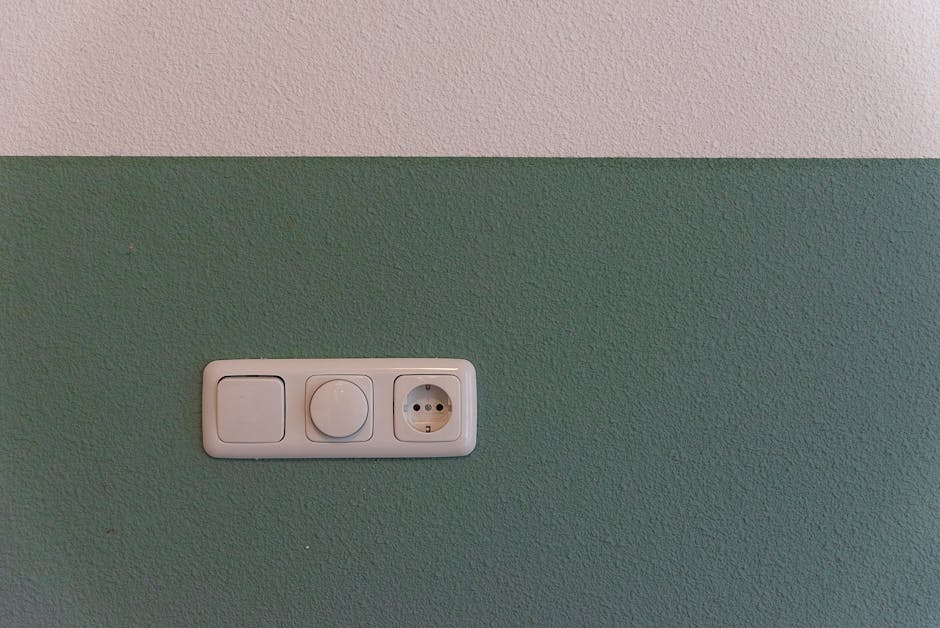
Before you purchase any of the models discussed on Reddit, you must understand the “C-wire” (Common wire) requirement. This is the most frequent point of failure for DIY installers. A smart thermostat is essentially a small computer with a color screen and a Wi-Fi radio; it requires a constant stream of 24V power to stay awake. Old-fashioned thermostats were simple switches that didn’t need their own power. If you pull your current thermostat off the wall and see only two or four wires, you likely lack a C-wire.
Nest famously claims to work without a C-wire by “power stealing” from the heating or cooling lines. However, if you spend any time on the r/Nest subreddit, you will see countless posts about the “No Power” or “e74” error codes. Power stealing can cause your furnace to click on and off rapidly (short-cycling), which can damage the control board over time. The consensus among experts is clear: do not install a smart thermostat without a dedicated power source. If your home doesn’t have a C-wire, you have three options: pull a new wire (the best solution), use a Power Extender Kit (PEK) like the one included with Ecobee, or use a 24V plug-in transformer.
The installation process itself is generally straightforward if you have the right wiring. Most units come with a backplate that includes a built-in level and push-terminal connectors. You simply take a photo of your old wiring, label the wires with the included stickers, and match them to the new terminals. However, you must turn off the power at the breaker before starting. Shorting the R and C wires can blow a tiny fuse on your furnace’s control board—a five-cent part that will cost you a $200 service call from an HVAC technician to replace. If you find yourself staring at a mess of unlabeled wires or an old pneumatic system, this is the moment to put the screwdriver down and call a professional. A smart thermostat is a great addition to a modern home, but it is not worth compromising the safety of your HVAC system.
Ultimately, the best smart thermostat for you depends on your willingness to engage with the technology. If you want a beautiful object that tries to figure things out for you, the Nest remains a strong contender. If you want granular control, remote sensors that actually work, and the ability to manage your home’s humidity for your plants and kitchen projects, the Ecobee Premium is the superior choice. Regardless of which you choose, remember that the energy savings come from the data you act upon, not just the device on the wall. Monitor your usage, adjust your thresholds, and let the technology work for your specific lifestyle.

Recent Comments