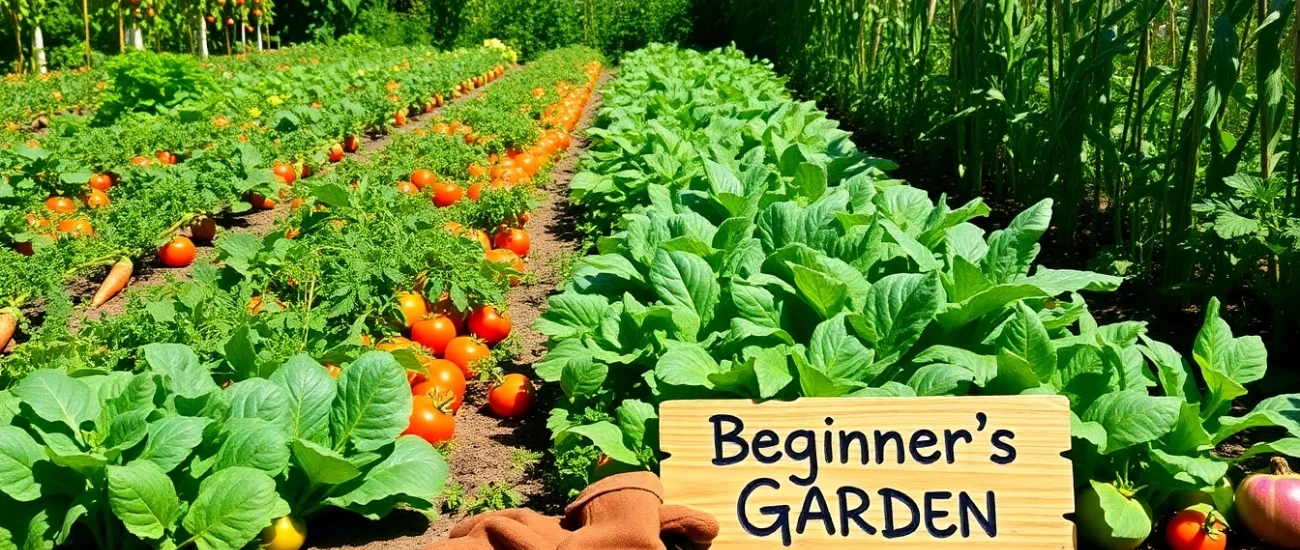
Easy Seasonal Planting Tips for Beginners to Grow Garden Success
If you’re new to gardening and wondering how to get started without feeling overwhelmed, easy seasonal planting tips for beginners are exactly what you need. Understanding what to plant and when can transform your garden from guesswork into a rewarding, thriving space. In this guide, you’ll discover simple, practical advice tailored for first-timers—covering everything from spring seedlings to winter indoor growing—so you can grow with confidence all year round. Ready to make gardening straightforward and fun? Let’s get planting!
Getting Started: Essential Basics Before Planting
Before you dig in, it’s important to assess your space. Check how much sunlight your garden or balcony gets each day—most veggies need 6-8 hours of sun. Measure your garden size or plan container options if space is tight. Containers are great for small areas and allow you to move plants as needed.
Next up is soil preparation—a key step for healthy plants. Test your soil’s pH with an easy kit from a garden center; most vegetables thrive in soil that’s slightly acidic to neutral (pH 6.0-7.0). Add compost to enrich the soil with nutrients and improve texture. Also, make sure your soil drains well to avoid roots sitting in water.
Every beginner gardening guide stresses the right tools. Start simple: a good trowel for digging, sturdy gloves to protect your hands, and a reliable watering can to keep plants hydrated without washing away seeds.
Finally, get familiar with frost dates and USDA hardiness zones for your area. Knowing your last spring frost and first fall frost helps you plan when to start seeds or transplant seedlings outdoors. USDA zones tell you which plants will survive your climate. With these basics, you’re set for success in any planting season!
Spring Planting Tips
Spring is perfect for starting cool-season crops because the soil is warming up, but the weather isn’t too hot yet. These conditions suit veggies that prefer cooler temperatures and help prevent bolting or bitterness. For beginners, easy plants to start with include lettuce, spinach, peas, radishes, broccoli, and carrots—all great for your first spring garden.
Timing is key: plant seeds after the last frost date in your area to avoid damage. You can start some seeds indoors a few weeks before that and transplant seedlings later, or sow seeds directly into prepared soil once it’s warm enough. This flexibility is ideal depending on your setup and patience level.
Don’t forget these essential spring tasks:
- Soil warming: Use dark mulch or plastic covers to raise soil temperature faster.
- Mulching: Helps retain moisture and keeps weeds down.
- Frost protection: Be ready to cover young plants with cloth or plastic if a late frost hits.
For more ideas on practical garden care and design, check out easy-to-apply tips on eco-friendly garden design. This will help you set a solid foundation for a thriving spring garden, following a simple planting calendar for beginners.
Summer Planting Tips
Summer is the time to switch to warm-season vegetables that love the heat. Choosing easy vegetables to grow like tomatoes, peppers, zucchini, beans, cucumbers, and basil makes summer gardening beginner-friendly and rewarding.
To keep your garden productive all season, try succession planting. This means planting new crops at intervals so you can harvest continuously rather than all at once.
Maintenance is key during the hot months. Water deeply but less often to encourage strong roots, mulch your soil to retain moisture, and if possible, provide shade during the hottest part of the day to protect sensitive plants from heat stress. These steps help your summer garden thrive despite the heat.
For more detailed tips on keeping your garden healthy in the warm months, check out these helpful early summer garden tips.
Fall Planting Tips
Extending your garden season into fall is a smart way to enjoy fresh produce longer. Cool-weather crops thrive as temperatures drop, making fall perfect for planting easy vegetables like kale, garlic, beets, cabbage, and Swiss chard. These plants are beginner-friendly and can handle cooler soil and air temperatures.
Recommended Fall Plants
| Plant | Benefits | Notes |
|---|---|---|
| Kale | Packed with nutrients | Harvest leaves progressively |
| Garlic | Easy to plant, long storage | Plant cloves in fall for summer harvest |
| Beets | Root vegetable, versatile | Sow directly in soil |
| Cabbage | Pest-resistant, hearty | Needs consistent moisture |
| Swiss Chard | Continuous harvest | Tolerates light frost |
Preparing for Cooler Weather
To get your garden ready for fall and winter:
- Plant cover crops like clover or rye to improve soil fertility and prevent erosion.
- Clean garden debris to reduce pests and disease problems next season.
- Mulch beds to retain warmth and moisture for roots.
Benefits of Fall Gardening
- Generally fewer pests, meaning less pest control work.
- Soil improves naturally as organic material breaks down, leading to richer soil next spring.
For more on protecting your plants in cooler months, check out this guide on dying plants in your garden for tips on maintaining vitality and troubleshooting.
Following these fall planting tips helps you maintain a healthy garden year-round and prepares your soil for the next growing cycle.
Winter Planting Tips
Winter doesn’t mean you have to stop gardening. For beginners wanting easy seasonal planting tips, indoor and protected options let you grow year-round. Microgreens and herbs like basil or parsley thrive on sunny windowsills and offer fast, rewarding harvests. For a bit more effort, try forcing bulbs indoors or set up cold frames to protect outdoor plants from frost.
Outdoors, focus on mulching perennials well to shield roots from freezing temperatures. Use this slower season to plan next year’s layout, noting what worked and what didn’t. If you live in milder climates, you can extend your planting calendar for beginners by overwintering hardy crops or using protective covers to keep vegetables growing through colder months.
For more ideas on vibrant winter gardening and protecting plants, check out expert advice on brilliant plants for vibrant winter. This can help you keep your garden lively even in the chilliest months.
General Beginner Tips for Success Across Seasons
Watering your plants consistently is key, but avoid overwatering, which can lead to root rot and fungal problems. Aim to keep the soil moist but not soggy, and water early in the morning to reduce evaporation. Use mulch to help retain moisture and keep roots cool, especially during warmer months.
For natural pest and weed control, try companion planting—growing certain plants together can repel pests and boost growth. Hand-picking pests and removing weeds regularly can also keep your garden healthy without relying on chemicals.
Watch out for common beginner mistakes like overplanting—crowding plants can stunt their growth and increase disease risk. Always follow seed packet instructions and plant labels for the right spacing and depth.
When it’s time to harvest, pick crops promptly to encourage more growth and prevent overripening. Practicing crop rotation each season helps maintain soil health by preventing nutrient depletion and reducing pests and diseases in your garden. For deeper insights into soil care, check out this guide on why your soil is the key to a beautiful garden.
Following these simple tips will give beginners a solid foundation for gardening success all year round.
