
Best Mattress UK: Expert Analysis of Memory Foam and Hybrid Beds
Imagine the physical residue of a Saturday spent in the garden, perhaps spent double-digging a new herbaceous border or meticulously pruning the climbing roses. By the time the sun dips and you retire indoors to prepare a slow-roasted meal, your musculoskeletal system is beginning to signal its fatigue. The lumbar region feels compressed, the shoulders are tight from repetitive reaching, and your feet carry the weight of a dozen miles walked across the lawn. In these moments, the surface upon which you choose to recover is not merely a piece of furniture; it is a critical tool for physiological restoration. A substandard mattress fails to distribute this physical stress, leading to a cycle of restless nights and diminished energy for the hobbies that define your lifestyle.
The UK mattress market has undergone a significant transformation over the last decade, moving away from the traditional showroom model toward a more data-driven, direct-to-consumer approach. This shift has introduced a bewildering array of materials—polyurethane foams, visco-elastic layers, and complex spring geometries—all promising the elusive perfect night’s sleep. For those who value the precision of a well-executed recipe or the structured beauty of a landscaped garden, selecting the right mattress requires a similar level of attention to detail and an understanding of the underlying mechanics of support. This guide explores the engineering behind modern sleep surfaces, tailored specifically for the active UK resident who demands both comfort and longevity.
What are the best mattress types for UK sleepers in 2024?
Understanding the fundamental architecture of a mattress is the first step in narrowing down the search. In the UK, the three dominant categories are memory foam, pocket springs, and hybrid models. Each offers a distinct profile in terms of pressure relief, thermal regulation, and motion isolation. Memory foam, or visco-elastic foam, was originally developed to improve seat cushions and crash protection for airline pilots and passengers. Its primary characteristic is its ability to contour to the body in response to heat and pressure, which creates a ‘cradling’ sensation. This is particularly beneficial for side sleepers who need the mattress to yield at the hips and shoulders to maintain spinal alignment, preventing the “pins and needles” sensation often caused by poor circulation.
The mechanics of memory foam and latex
Traditional memory foam has historically faced criticism for heat retention. Because the material relies on body heat to soften, it can act as an insulator, trapping warmth around the sleeper. Modern UK manufacturers have addressed this by introducing open-cell structures and gel infusions designed to facilitate airflow. These open-cell foams act like a sponge, allowing air to circulate through the material rather than becoming trapped in dense pockets. Latex, a natural alternative derived from the sap of rubber trees, offers a similar level of contouring but with a more ‘responsive’ feel. Unlike memory foam, which has a slow recovery time (the “sinking” feeling), latex bounces back instantly. It is also inherently more breathable and resistant to dust mites, making it an excellent choice for those with allergies or those who find the ‘sinking’ feeling of foam slightly claustrophobic. Within the latex category, sleepers can choose between Dunlop latex, which is denser and firmer at the bottom, or Talalay latex, which undergoes a vacuum and flash-freezing process to create a more consistent, plush feel throughout.
The resurgence of pocket springs
Pocket springs remain a staple of British bed manufacturing, often viewed as the “gold standard” for traditionalists. Unlike the older open-coil (Bonnell) systems, where springs were wired together in a single unit, pocket springs move independently within their own individual fabric sleeves. This allows the mattress to follow the contours of the body more precisely and prevents ‘roll-together,’ a common issue when two people of different weights share a bed. The quality of a pocket-sprung mattress is often determined by the spring count, though this can be a misleading metric. Beyond 2,000 springs in a standard king size, the benefits often plateau as manufacturers begin to use smaller ‘micro-springs’ that offer less structural support and are primarily used for fine-tuning comfort layers. The gauge of the wire—ranging from thin, soft gauges to thick, firm gauges—and the tension of the springs are frequently more important than the raw number. For those recovering from heavy physical work, a high-gauge spring system provides the necessary “push-back” to keep the spine neutral.
The hybrid compromise
Hybrid mattresses represent the current peak of sleep engineering by combining the pressure relief of foam with the structural integrity of springs. A typical hybrid will feature a base of pocket springs for support and edge stability, topped with layers of memory foam, latex, or specialized ‘comfort foams.’ This design attempts to mitigate the weaknesses of each material—the springs provide the airflow and bounce that foam lacks, while the foam provides the localized pressure relief that springs alone cannot achieve. For the majority of UK households, a hybrid is the most versatile option, accommodating a wide range of body types and sleeping preferences. Many hybrids now feature “zoned support,” where the springs are firmer in the middle third of the mattress to support the heavy pelvic region and softer at the head and foot to accommodate the shoulders and legs.
Which UK mattress brands offer the best value and support?

The UK market is currently dominated by a few key players who have refined their manufacturing processes to offer high-quality products at competitive price points. When evaluating these brands, it is necessary to look beyond the marketing claims and examine the specific layering, the density of the foams used, and the length of the trial periods offered. Most ‘bed-in-a-box’ companies now offer a 100-night to 365-night trial, which is essential because the body often takes up to 30 days to adjust to a new sleeping surface. This adjustment period is particularly relevant if you are switching from a traditional sprung mattress to a foam-based model, as your muscles and ligaments must learn to rest in a new alignment.
| Model Name | Approx. Price (Double) | Primary Benefit (Pro) | Primary Drawback (Con) | Depth & Layers |
|---|---|---|---|---|
| Emma NextGen Premium | £450 – £900 | Exceptional pressure relief for side sleepers | Edge support can feel slightly soft | 25cm / 4 Layers |
| Simba Hybrid Luxe | £1,100 – £2,200 | Advanced cooling and 10-layer support | Significant weight makes it hard to rotate | 31cm / 10 Layers |
| Brook + Wilde Elite | £800 – £1,300 | Customisable firmness levels | Longer delivery lead times | 28cm / 8 Layers |
| Hypnos Cotton Origins 6 | £1,000 – £1,600 | Natural materials and traditional craft | No trial period (usually) | 30cm / Hand-tufted |
| Nectar Memory Foam | £400 – £750 | Lifetime warranty and 365-night trial | Can sleep warmer than hybrids | 25cm / 5 Layers |
Emma NextGen Premium: The versatile all-rounder
The Emma NextGen Premium has established itself as a benchmark in the hybrid category. It utilizes a combination of Halo Memory Foam and 12.5cm tall pocket springs. The foam layer is designed to adapt to the sleeper’s shape, while the springs provide a zoned support system that is firmer under the hips and softer under the shoulders. At a price point often hovering around £600 for a double (with frequent discounts), it offers high value. The “NextGen” iteration specifically improved the spring height to enhance airflow, addressing previous concerns about heat. However, some users find that the edges of the mattress compress too easily when sitting on the side of the bed, which might be a consideration for those with mobility issues or those who like to sit on the edge of the bed to pull on their gardening boots.
Simba Hybrid Luxe: The premium engineering choice
For those willing to invest more in their sleep hygiene, the Simba Hybrid Luxe is a complex piece of engineering. It features ten layers, including double-stacked micro-springs (up to 6,000 in a king size) and a layer of British wool for natural temperature regulation. The inclusion of a graphite-infused Simbatex foam layer is specifically designed to tackle the heat retention issues common in other foam models, as graphite is a natural heat conductor that pulls warmth away from the skin. It is a heavy mattress, often requiring two people to handle, and the price reflects its premium positioning. Its primary strength lies in its ability to provide a ‘weightless’ sensation, which can be incredibly restorative after a day of heavy physical labor in the garden or hours spent standing in the kitchen preparing a feast.
Brook + Wilde Elite: The bespoke approach
Brook + Wilde occupies a unique niche by allowing customers to choose their firmness level—Soft, Medium, or Firm. This removes much of the guesswork associated with online mattress shopping. The Elite model is a high-spec hybrid with a removable, washable cover, which is a practical feature for maintaining a clean sleep environment. Internally, it features a wave-cut foam layer specifically designed for spinal alignment. The trade-off for this semi-bespoke service is often a longer wait for delivery compared to the next-day service offered by Emma or Simba. It is an excellent choice for individuals who have very specific preferences regarding the ‘push-back’ feel of their mattress and want a product that feels tailored to their specific BMI and sleep posture.
A mattress is a long-term investment in your health. While budget models exist, the cost-per-night over a ten-year lifespan is negligible when compared to the benefits of reduced back pain, improved cognitive function, and the energy required to maintain a flourishing garden.
How do you determine the best mattress firmness for your specific needs?
Firmness is perhaps the most subjective aspect of mattress selection, yet it is governed by the objective requirements of spinal alignment. If a mattress is too soft, the heavier parts of the body (the pelvis and torso) will sink too deeply, creating a ‘hammock’ effect that strains the ligaments of the spine. Conversely, if a mattress is too firm, it will create pressure points at the shoulders and hips, leading to tossing and turning as the body attempts to restore circulation. Finding the ‘Goldilocks’ zone depends heavily on your primary sleeping position and your body mass index (BMI). A person with a higher BMI will require a firmer support core to prevent “bottoming out,” whereas a lighter person may find a firm mattress feels like sleeping on a wooden plank, as they don’t have the weight to engage the comfort layers.
Recommendations for side sleepers
Side sleeping is the most common position in the UK. It requires a mattress with enough ‘give’ to allow the shoulder and hip to sink in, ensuring the spine remains a straight horizontal line. A medium-soft to medium-firm mattress is usually optimal here. If you find yourself waking up with a ‘pins and needles’ sensation in your arms, your current mattress is likely too firm, causing the shoulder to be pushed upward and compressing the nerves. High-quality memory foam or hybrid mattresses are typically the best fit for this demographic because they can provide localized contouring without sacrificing overall support. Look for mattresses with at least 4-5cm of comfort foam on top of the spring unit to ensure adequate pressure relief.
Back and stomach sleepers: The need for stability
Those who sleep on their backs require a surface that supports the natural ‘S’ curve of the spine. A medium-firm mattress is generally recommended, as it provides enough support to prevent the lower back from collapsing while still offering a layer of cushioning for the buttocks and shoulder blades. Stomach sleepers face the greatest challenge; this position naturally puts the neck at an awkward angle and can cause the lower back to arch painfully if the mattress is too soft. A firm mattress is often the only way to keep the hips elevated and the spine neutral. For these sleepers, a traditional pocket-sprung mattress with minimal foam layering or a specialized firm hybrid often provides the necessary rigidity. It is also worth considering a very thin pillow or no pillow at all when sleeping on the stomach to reduce neck strain.
The role of body weight and build
Your physical stature significantly influences how a mattress feels. A ‘medium’ mattress will feel firm to a person weighing 60kg but may feel overly soft to someone weighing 110kg. Heavier individuals should look for mattresses with a higher spring count or thicker base foam layers to ensure they don’t ‘bottom out’ and hit the structural layers of the bed. Many UK brands now offer ‘Plus’ or ‘HD’ (Heavy Duty) versions of their popular models, which use higher-gauge steel and higher-density foams to provide longevity and support for larger frames. It is also worth noting that the base of your bed—whether it is a solid divan, a slatted frame, or a sprung base—will alter the perceived firmness of the mattress. A solid base will make any mattress feel slightly firmer, while a sprung slat base will add a degree of extra cushioning and potentially extend the life of the mattress by absorbing some of the mechanical stress.
Mattress Maintenance: Protecting Your Investment
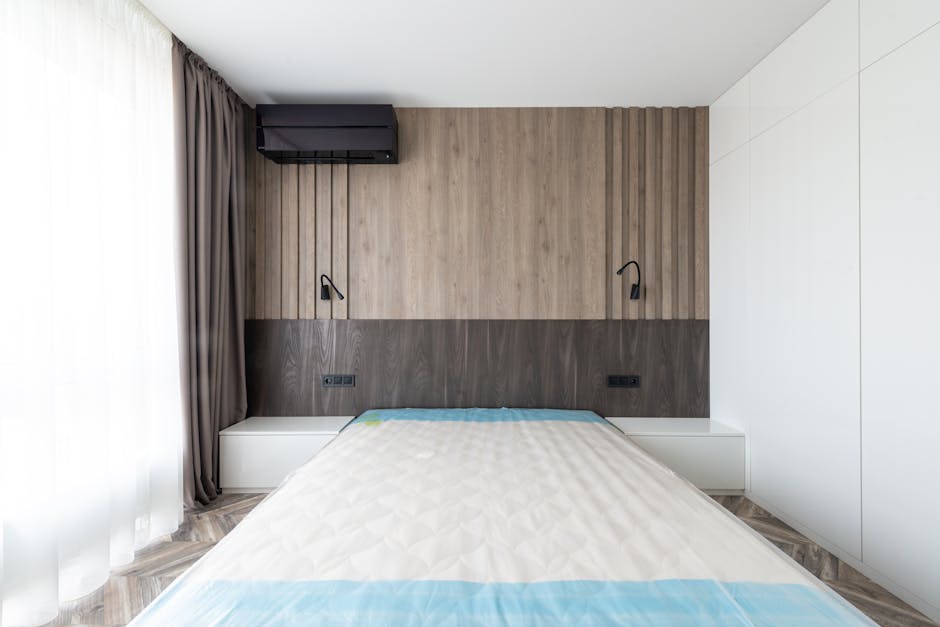
Once you have invested in a high-quality mattress, proper maintenance is essential to ensure it continues to provide support for its intended 7-to-10-year lifespan. For those living an active lifestyle—perhaps bringing in the occasional bit of garden soil or kitchen spills—protection is the first line of defense. A high-quality, breathable mattress protector is non-negotiable. Modern protectors use polyurethane membranes that are waterproof yet allow water vapor to escape, ensuring you don’t sleep hot while protecting the foam from moisture, which can degrade the cellular structure over time.
Rotation and Cleaning
Most modern “bed-in-a-box” mattresses are single-sided, meaning they should never be flipped. However, they should be rotated 180 degrees every three to six months. This ensures that the foam layers wear evenly and prevents “dipping” in the areas where your hips and shoulders rest. If you have a traditional double-sided pocket-sprung mattress, flipping it seasonally is vital for maintaining the loft of the natural fillings like wool or cotton. For cleaning, avoid using harsh chemicals or saturating the foam with water. Instead, use a vacuum with an upholstery attachment to remove dust and allergens. For minor stains, a mild detergent and a damp cloth are sufficient, provided the mattress is allowed to air dry completely before the sheets are replaced.
Common Pitfalls to Avoid When Buying a Mattress in the UK

One of the most frequent mistakes UK consumers make is over-relying on “spring count” as a proxy for quality. As noted previously, a 3,000-spring mattress is not inherently better than a 1,500-spring mattress if those extra springs are low-quality micro-coils. Another common error is failing to check the dimensions of your bed frame. While “Double,” “King,” and “Super King” are standard terms, there can be slight variations between European sizes (often sold by IKEA) and standard UK sizes. A mattress that is even 5cm too small for its frame will shift during the night, leading to premature wear and a lack of edge support.
Furthermore, many buyers overlook the importance of the trial period’s terms and conditions. While a “365-night trial” sounds generous, some companies require you to keep the mattress for a minimum of 30 days before initiating a return, and some may charge a collection fee. Always read the fine print regarding the “re-boxing” requirements—most companies will collect the mattress as-is, but a few may expect you to provide packaging, which is nearly impossible once a vacuum-sealed mattress has expanded.
In the same way that a gardener understands that the health of a plant begins with the quality of the soil, we must recognize that our daily productivity and physical comfort begin with the quality of our rest. Choosing a mattress is a process of balancing material science with personal ergonomics. By focusing on the structural integrity of the springs, the density of the foams, and the specific requirements of your sleeping posture, you can secure a foundation that supports not just your sleep, but your entire active lifestyle. Whether you are recovering from a day in the potting shed or a long afternoon over a hot stove, the right mattress ensures you wake up ready to cultivate your passions once again.

Recent Comments