
GE Kitchen Appliance Review: Analysis of Profile and Café Performance
The institutional evolution of GE Appliances from a domestic manufacturing giant to a technology-focused subsidiary of the Haier Group has fundamentally redefined the mid-range kitchen market. For homeowners and culinary enthusiasts, the 2024 lineup represents a calculated intersection of mechanical reliability and “SmartHQ” digital integration. GE maintains a complex hierarchy of product lines—Standard GE, GE Profile, Café, and Monogram—each targeting specific demographic needs and price points. While the entry-level GE units focus on utilitarian durability, the Profile and Café series represent the brand’s attempt to merge consumer electronics with heavy machinery. This review analyzes the technical specifications, real-world reliability, and feature sets of these core offerings to determine which models provide the highest return on investment for the modern kitchen.
Which GE appliance series offers the most technical value for homeowners?
Understanding the distinction between GE’s sub-brands is the first step in evaluating their potential utility in a high-functioning kitchen. The GE Profile series is engineered for the early adopter, emphasizing integrated technology such as Wi-Fi connectivity, guided cooking, and advanced sensor arrays. In contrast, the Café series utilizes much of the same internal architecture as Profile but focuses on high-end design, offering customizable hardware finishes and professional-style aesthetics. When we strip away the brushed bronze handles and matte finishes of the Café line, the mechanical differences are often negligible, suggesting that the price premium for Café is largely a matter of interior design preference rather than a leap in cooking or cooling capability.
For those prioritizing functionality, the GE Profile series often represents the “sweet spot” of the catalog. Take, for example, the GE Profile PHS930YPFS Induction Range (approx. $3,599). This unit provides precision temperature control and a built-in oven camera, features that genuinely assist in complex meal preparation. The primary advantage here is the induction technology, which offers efficiency levels that traditional gas or electric radiant cooktops cannot match. However, a notable disadvantage is the sensitivity of the glass-touch control panel; it can occasionally become unresponsive if moisture or grease accumulates during high-heat cooking sessions. The following table compares the flagship offerings in the mid-to-high range to illustrate the price-to-feature ratio.
| Model Category | Representative Model | Estimated Price | Core Technical Advantage |
|---|---|---|---|
| GE Profile (Induction) | PHS930YPFS | $3,599 | Precision Cooking Probe & Guided App Integration |
| Café (Professional) | CHS900P2MS1 | $4,499 | Hestan Cue Guided Cooking & Customizable Aesthetics |
| GE Standard (Electric) | GRF600AVWW | $899 | Simplified Mechanical Controls & Ceramic Glass Top |
| GE Profile (Advantium) | PSB9120SFSS | $2,449 | Speedcook Halogen Technology & 175 Pre-set Recipes |
The standard GE line remains a stalwart for rental properties or budget-conscious renovations, but it lacks the insulation and sensor accuracy found in the Profile series. When evaluating value, the Profile series consistently delivers the most robust feature set without the “design tax” associated with the Café line. Homeowners must decide if the visual cohesion of a Café kitchen—which is undeniably striking—is worth the approximate 25% price increase over the technically similar Profile counterparts. Furthermore, the GE Profile PHS930YPFS features a 5.3 cu. ft. oven capacity and a high-output 11-inch 3,700-watt induction element, making it a powerhouse for large-family meal prep.
How do GE French door refrigerators perform in temperature consistency tests?
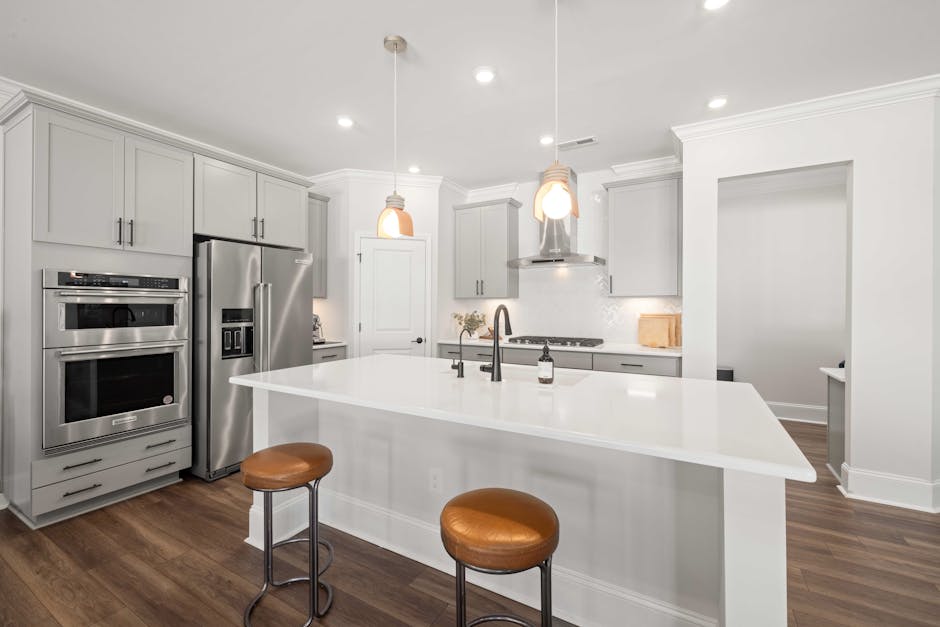
Refrigeration is the cornerstone of food preservation, and GE has invested heavily in its TwinChill evaporator system to address the common issue of flavor transfer and humidity imbalance. In a standard single-evaporator system, air is shared between the freezer and the refrigerator, often leading to dry air in the fridge and odor migration. GE’s dual-evaporator approach, found in models like the GE Profile PFE28KYNFS (approx. $3,199), isolates the two climates. This is particularly beneficial for those who store delicate produce or floral arrangements, as the higher humidity levels in the fresh food section prevent premature wilting of herbs and cut flowers.
Performance data indicates that GE refrigerators excel at maintaining a consistent 37 degrees Fahrenheit across all shelves, with a variance of less than 1.5 degrees during compressor cycles. This level of stability is critical for food safety and longevity. The GE Profile PVD28BYNFS (approx. $3,999) adds a unique feature: a LED-backlit wall that illuminates the entire interior, making it easier to locate items in the back of the 27.9 cubic foot cavity. A significant pro of this model is the “Hands-Free Autofill” dispenser, which uses ultrasonic sensors to fill any container with filtered water without manual intervention. On the negative side, the door-mounted icemaker, while space-saving, has a limited capacity and can be audible during the harvesting cycle, which might be a distraction in open-concept living spaces.
The integration of Microban antimicrobial technology into refrigerator gaskets and water dispensers is a recent GE innovation that serves a practical purpose. It inhibits the growth of bacteria that typically thrive in the moist environments of door seals, reducing the frequency of deep-cleaning requirements.
When we look at the broader market, GE’s refrigeration units are often praised for their internal layout flexibility. The “Quick Space” shelves, which slide back to accommodate tall items like wine bottles or large vases, demonstrate a thoughtful approach to ergonomics. However, potential buyers should be aware of the depth requirements. The standard-depth models provide massive storage but can protrude significantly past kitchen cabinetry, whereas the counter-depth variants offer a built-in look at the expense of roughly 5 to 7 cubic feet of storage space. For a large family, the trade-off for aesthetics may not be practical. Additionally, the PVD28BYNFS includes a specialized middle drawer with adjustable temperature settings, allowing it to function as either additional refrigerator space or a soft-freeze zone.
Are GE Profile induction ranges superior to traditional gas models for home chefs?
The transition from gas to induction is a frequent topic of debate among culinary enthusiasts. GE has positioned itself as a leader in this transition, particularly with its Profile and Café induction ranges. The GE Profile PHS930YPFS mentioned earlier is a prime example of why induction is gaining ground. The thermal efficiency of induction—where the pan itself becomes the heat source through magnetic friction—allows for boiling water in under four minutes, a feat that most residential gas burners cannot replicate. Furthermore, the surface remains cool to the touch, which is a safety advantage and makes cleanup significantly easier as spilled food does not bake onto the glass.
However, the shift to induction requires a specific inventory of cookware. Any vessel used must be ferromagnetic; if a magnet does not stick to the bottom of your pot, it will not work on these ranges. This often necessitates a complete replacement of aluminum or copper cookware. For those who refuse to part with their seasoned cast iron or heavy-bottomed stainless steel, GE’s gas ranges, such as the GE Profile PGB935YPFS (approx. $1,299), offer a high-output 21,000 BTU Tri-Ring burner. The pro of the gas model is the tactile control and the ability to char peppers or use a traditional wok. The con is the inherent heat loss into the kitchen environment and the more intensive cleaning process required for the heavy cast-iron grates.
- Evaluate your electrical infrastructure: Induction ranges require a dedicated 40-amp or 50-amp circuit. If you are switching from gas, this electrical upgrade can add $500 to $1,000 to your installation cost.
- Test your cookware: Use a simple refrigerator magnet to check your current pots and pans. If they aren’t compatible, factor the cost of a new set into your budget.
- Consider the oven features: GE Profile induction ranges often include “No Preheat Air Fry” and convection settings, which utilize a third heating element and a fan to circulate hot air, resulting in more even browning for baked goods and roasted vegetables.
- Utilize the Precision Probe: The included probe is essential for sous-vide style results when roasting meats, as it communicates directly with the range to shut off heat exactly when the target internal temperature is reached.
The precision offered by induction is most evident when simmering delicate sauces or melting chocolate, where the low-end heat control is far more stable than a gas flame. GE’s inclusion of a precision temperature probe that plugs directly into the oven wall allows the system to monitor the internal temperature of a roast and automatically adjust the oven heat, a feature that brings a level of automation previously reserved for professional laboratory equipment into the domestic kitchen.
Advantium Technology: The Hybrid Cooking Solution
One of GE’s most distinct technical contributions is the Advantium speedcooking oven. Models like the PSB9120SFSS (approx. $2,449) use high-intensity halogen light combined with microwave energy and convection to cook food up to eight times faster than a conventional oven. This is not merely a high-powered microwave; it is a versatile tool capable of browning and crisping proteins and vegetables. The 120V version is easier to install in existing cabinetry, but the 240V version offers the true “speedcook” experience. Pros: Incredible time savings and high-quality results for roasted meats. Cons: High entry price and a learning curve for custom recipes.
What is the long-term maintenance cost and repairability of GE dishwashers?
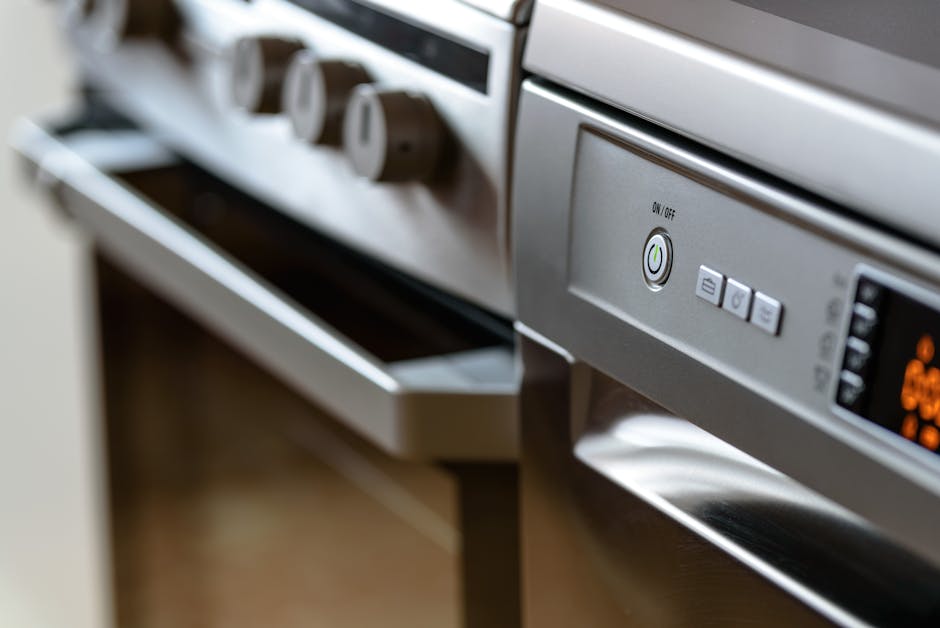
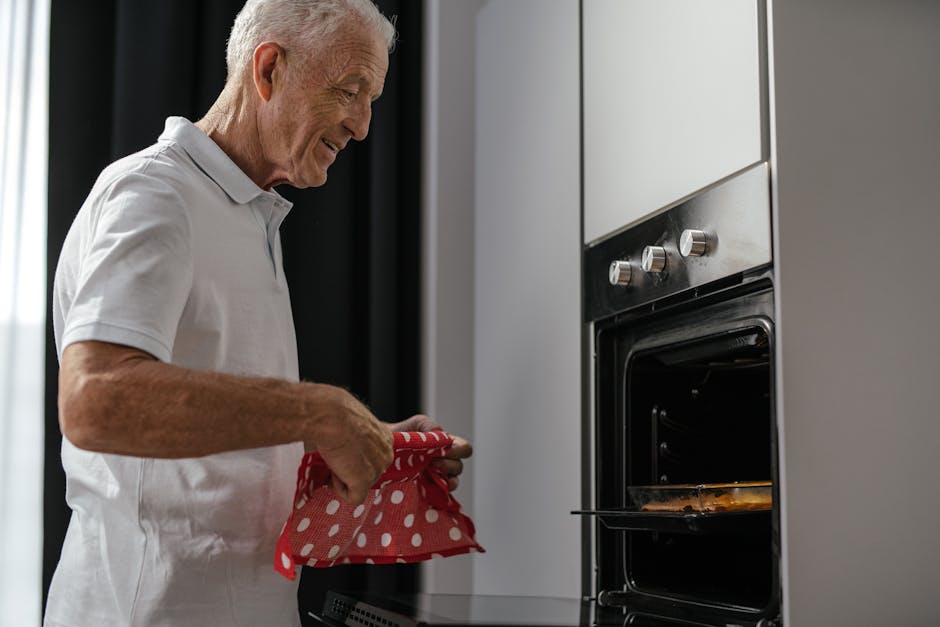
Dishwashers are arguably the most overworked appliance in the modern home, and their longevity is often a primary concern for buyers. The GE Profile PDT715SYNFS (approx. $1,049) is a high-performance unit that features dedicated silverware jets and deep-clean cycle options. One of the most significant pros of the GE dishwasher line is the widespread availability of parts and the density of the service network. Unlike some European brands that require specialized technicians and imported components, GE units are designed with standardized parts that most appliance repair professionals can service easily. This significantly lowers the long-term cost of ownership.
The mechanical design of the PDT715SYNFS includes a stainless steel tub, which is superior to plastic for sound dampening and heat retention during the drying cycle. GE’s “Dry Boost” technology with Fan Assist is particularly effective at drying plastic items, which are notorious for remaining wet in condensation-drying systems. However, a common complaint (or con) involves the complexity of the filtration system. While the fine-mesh filter is excellent at preventing food particles from redepositing on clean dishes, it requires manual cleaning every few months to maintain optimal drainage and prevent odors. Neglecting this maintenance task can lead to pump strain and eventual failure.
In terms of noise, this model operates at 45 decibels. While there are quieter units on the market—some Bosch models reach 38 decibels—45 is sufficiently quiet to allow for conversation in the kitchen while the machine is running. The value proposition here is the balance between cleaning power and repairability. While a more expensive, ultra-quiet European model might offer a more refined user experience, the GE Profile dishwasher is built to be a workhorse that can be kept running for a decade or more with basic maintenance. For a household that runs one or two cycles a day, the robust spray arm design and the dedicated bottle jets—which use high-pressure nozzles to clean the inside of narrow containers—provide a level of utility that justifies the thousand-dollar price tag.
Common Installation and Maintenance Mistakes to Avoid
To maximize the lifespan of GE appliances, homeowners should avoid several common pitfalls during the installation and early usage phases. First, failing to level the appliance—particularly refrigerators and dishwashers—can lead to premature motor wear and improper drainage. A refrigerator that is not level may also suffer from door-seal gaps, compromising the TwinChill system’s efficiency. Second, for induction ranges, using warped or lightweight cookware can cause “buzzing” sounds and uneven heating; high-quality, heavy-bottomed pans are essential for silent and effective operation.
Maintenance of the SmartHQ connectivity is also frequently overlooked. GE regularly releases firmware updates for its Profile and Café lines that can improve sensor accuracy and energy efficiency. Ensuring your appliances are connected to your home network allows these updates to install automatically, preventing software glitches that can sometimes be mistaken for mechanical failures. Finally, for those in areas with hard water, the use of a high-quality rinse aid in GE dishwashers is non-negotiable to prevent mineral buildup on the heating elements and the dedicated spray jets.
Ultimately, the decision to invest in GE appliances should be based on a realistic assessment of how you use your kitchen. If you value technological integration and a vast support network for repairs, the Profile series is a logical choice. If your priority is a specific aesthetic that anchors your home’s design, the Café series offers that visual impact without sacrificing the reliable mechanical foundations GE has developed over decades. By focusing on models with proven technologies like TwinChill refrigeration and induction cooking, homeowners can build a kitchen that is both efficient and durable, serving as a reliable hub for food preparation and floral display for years to come.

Recent Comments