Early summer garden tips
One of the odd things about early summer is that I always have to start thinking about what I should take out of my garden rather than what I need to plant.
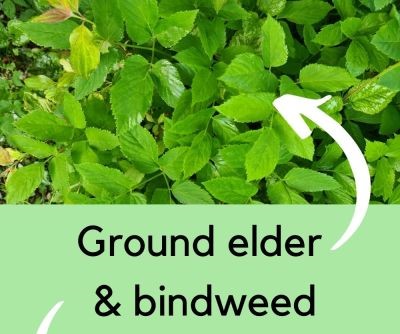
Weeds, of course, are growing as fast as they ever will. Now is definitely the time to wage war on them, provided you accept it is a war you will never win. You can only stave off the invasion, not destroy the invaders.
I’ve rounded up various garden experts on weeding in this post here. But it is important, I think, to come to terms with the fact that if you have an outside space, then you will have to weed it.
But surely there are low maintenance options…?
You can cut down the work in your garden in various ways. You can plant mainly shrubs, perennials and grasses, so that you don’t have to sow from seed, pot on, prick out, dead-head and then dig up at the end of the year. You can choose plants that are resistant to drought so you can cut down on watering.
You can cover your ground with mulches. Gravel, pebbles, pavers, garden compost and weed suppressant horticultural fabric will all slow down the appearance of weeds, especially in the first few months after they’re laid.
But perennial weeds will wriggle round any obstacles. And annual weed seeds are dropped from birds or blown in on the wind. They settle on top of the mulches and usually manage to grow.
I have even seen weeds growing out of two artificial lawns in front gardens near here. One was a massive bramble. Both ‘lawns’ are just a few years old, if that.
So weeds, like death and taxes, will always be with us. Particularly in early summer.
And nothing beats hand weeding or hoeing. Sprays always drift onto other plants, and there are concerns about the chemicals in them.
If you see a weed, just pull it out. If you wait until the weekend, there will be 10 of them at this time of year.
Thin out self seeders in early summer
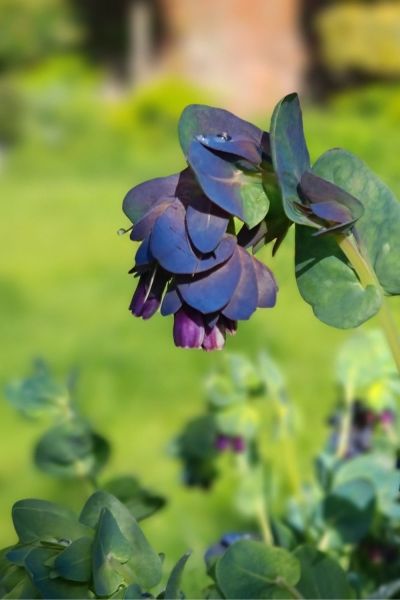
I love self-seeding plants. They really save me time, effort and money. At this time of the year, the garden is full of self-seeders, such as alliums, euphorbia, wild gladioli and cerinthe. And next month’s poppies, crocsmia and lychnis coronaria are popping up.
But self-seeders can crowd out the plants you planted deliberately. They are all now big enough. You can see which is which. So early summer is a good time to thin them out, especially around hungry plants like roses.
I am always so grateful that a plant has chosen to grow in my garden. I feel terrible about wrenching out self-seeders.
But if you leave them to crowd out roses and dahlias, then your roses and dahlias will be disappointing later. I know. I’ve done it.
And the ‘spreaders’…
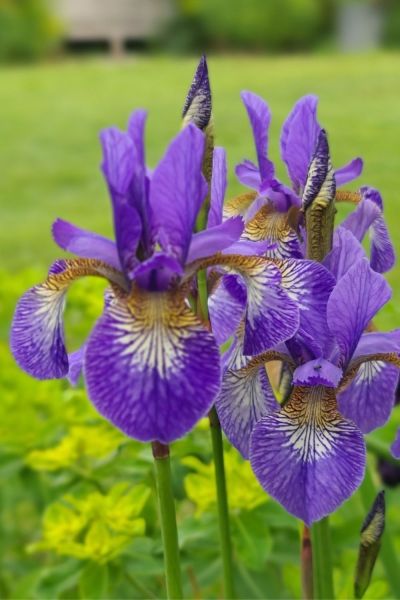
Some perennials can spread so well that they seem to take over the world. In my garden, that’s Euphorbia robbiae, iris sibirica, Japanese anemones and day lilies. There were gaps in the border a month ago. Now there is a sea of euphorbia interwoven with day lily foliage.
Which is rather attractive, but they are swamping other plants.
It is wrench to pull out healthy plants but if there is to be anything to look at from July onwards, then now is the time to do it. She has an amazing herbaceous border and keeps it looking good by taking plants out or cutting them back.
Perennials that spread can save you money in the garden, but you do have to keep them under control.
Planting for Wildlife
This month I’ve been reading Planting for Wildlife by Jane Moore. It’s for anyone who would like to make their garden more wildlife-friendly while still maintaining the traditional look of a garden.
It’s realistic – for example, Jane says that gardening organically means allowing pests to live in your garden, which will attract the predators who eat them. ‘But manage your expectations,’ she warns. ‘Your organic garden will have holes in leaves and daisies popping up in the lawn and it will be all the better for it.’
She also says that she thinks of her garden as a woodland glade, with the areas close to the house looking more managed and tidy. Further away, she allows it to be a little wilder.
It’s readable, practical and pretty enough to be a good gift, too. Jane is herself a professional head gardener, so she really knows what works in the garden, and she’s also very good at explaining what to do clearly.
