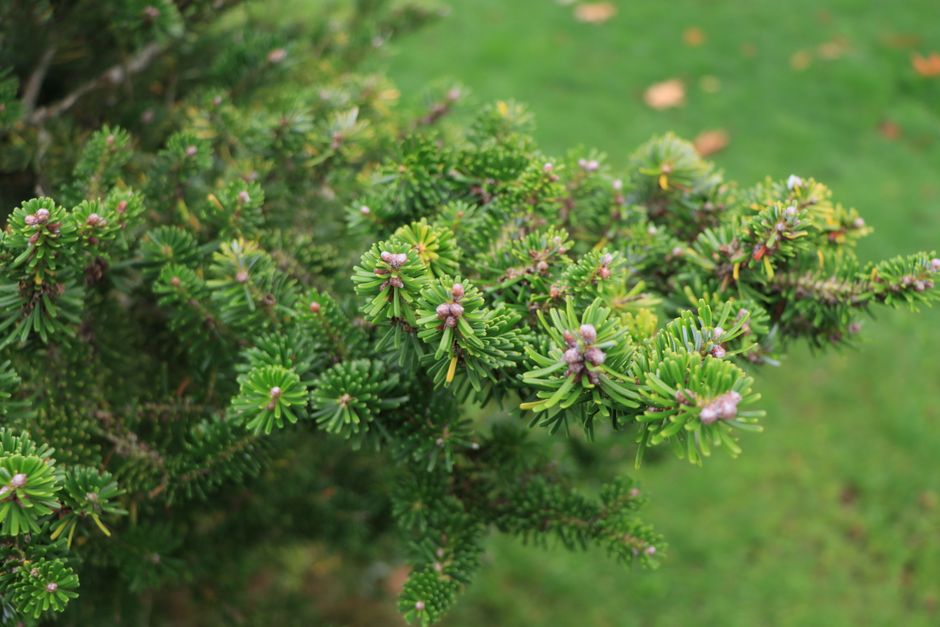
How can you plan a winter border that still looks deliberate in January, when most summer colour has disappeared? The answer is not a longer list of flowering plants. It is a clear framework of height, shape, texture, bark and controlled empty space. A reliable border should still show where the eye should travel on a wet Tuesday morning, not only on a bright June afternoon.
Why does structure matter more than winter flower count?

Structure solves the border’s basic winter problem: seasonal loss. In July, leaves and flowers hide gaps, weak spacing and awkward proportions. By January, those defects become visible. A winter border therefore needs a shape that survives leaf fall. Think of the design as a frame around a picture. The frame does not need to be colourful at every point, but it must hold the view together.
Start with the view from the house
Stand inside the house and mark the windows or doors that frame the garden. Those views matter more than the border’s appearance from one close-up angle. Place pale bark where it catches winter light. Put dark stems against a pale wall or fence. Position seed heads where low sun can outline them. If the border sits beside a path, keep the strongest verticals far enough back to avoid brushing coats and blocking movement.
Balance solid shapes with open gaps
A common mistake is filling every metre with plants. That creates competition, not structure. Leave measured gaps between major forms so each stem can be read. A gap of 40 to 60 centimetres may look empty in September, yet it can provide the dark negative space that makes orange stems or pale bark visible in January. Groundcover, mulch or low bulbs can occupy the soil without closing the whole composition.
Use evergreen plants carefully. A compact evergreen mound can hold the front edge, but six different evergreen shapes may make the border look static. The best winter designs usually combine one or two dependable green forms with deciduous stems, grasses and seed heads. In practical terms, the border should have enough permanent mass to survive winter, but enough seasonal change to remain interesting.
For a 2026 plan, draw the border at full mature size rather than at the size of the plants in a nursery pot. Mark the expected height and width of every backbone plant. This simple drawing reveals conflicts before planting and gives the January view a realistic test.
How do you lay out a winter border step by step?
Use the following sequence before buying plants. It prevents the usual mistake of choosing attractive specimens first and trying to force them into a workable pattern later.
- Measure the bed. Record its length, average depth, soil type, drainage and hours of winter sunlight. A border that receives two hours of weak winter light needs a different plant balance from one facing open southern sun.
- Mark the permanent anchors. Place trees, shrubs, fences, walls and sheds on the plan. These features already provide height, shadow and visual weight.
- Choose three repeated forms. For example, use upright grass, coloured stems and low evergreen mounds. Repetition gives the eye a route through the planting.
- Set mature spacing. A 60-centimetre grass should not be planted 30 centimetres from its neighbour simply because the pots look small. Crowding creates weak growth and hides the winter outline.
- Add the January performers. Helleborus x hybridus ‘Pretty Ellen’, often 30 to 45 centimetres tall, can bring flowers from December into early spring in a sheltered site. Place it where its nodding flowers can be viewed from a path or window.
- Check the summer consequence. Make sure the plants that look good in January will not block light from smaller plants during the growing season. A border should work across the year, not trade one bad season for another.
Keep the front edge lower than expected
Most front-edge plants look taller once their seed heads and foliage lean into the path. Leave a clear strip of at least 30 centimetres beside a frequently used path where possible. This creates a visual margin and reduces damage from feet, dogs and wheelbarrows.
Repeat before you add another species
Plant three of one grass or five of one low evergreen before adding a seventh type of plant. Odd-numbered groups often read as a single gesture, while scattered singles can look accidental. The strongest recommendation is to repeat fewer plants at wider, measured intervals rather than create a crowded collection.
Which structural plant combination works best for a small garden?

For a small garden, choose one narrow grass, one colourful stem shrub and one low winter flower. My pick is Calamagrostis x acutiflora ‘Karl Foerster’, Cornus sanguinea ‘Midwinter Fire’ and Helleborus x hybridus ‘Pretty Ellen’. Together they provide height, colour and low-level interest without requiring a large tree.
Why this three-part combination works
‘Karl Foerster’ supplies upright lines from late summer into winter and normally fits a 45 to 60 centimetre planting space. ‘Midwinter Fire’ offers a warmer colour note once its leaves drop, but it needs room for mature stems and benefits from renewal pruning. ‘Pretty Ellen’ fills the lower view with flowers and broad evergreen leaves, although flower direction varies and the blooms may face down in rain.
When not to use this combination
Do not use it beside a very narrow path if the grass will lean across the walking line. Avoid the dogwood in a tiny bed where its eventual width will leave no room for pruning. In a waterlogged border, correct drainage first; adding more plants will not solve standing winter water. If the garden has deep shade, replace the grass with a shade-tolerant evergreen structure and accept that stem colour may be less vivid.
This combination wins for a modest border because each plant performs a different job. It also gives the gardener a clear maintenance plan: cut the grass in late winter, renew older dogwood stems, and remove damaged hellebore leaves as flowers develop.
What winter border mistakes make January planting look weak?
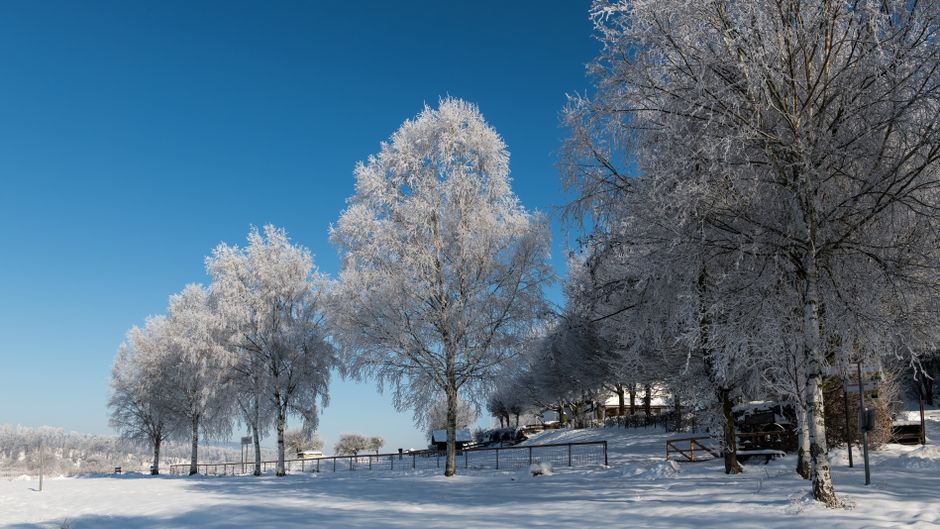
The most damaging mistake is designing for the nursery pot instead of the mature border. January exposes poor decisions because there are fewer leaves to hide them. Check these failure points before planting.
- Too many isolated specimens: one grass, one shrub and one flower repeated only once each creates visual noise. Grouping gives the eye a pattern.
- Overgrown shrubs at the back: tall plants placed close to a fence can become difficult to prune and may shade the entire bed. Allow access from one side before planting.
- Fresh stems cut too early: cutting every perennial down in autumn removes winter texture and shelter for wildlife. Leave sound stems standing until late winter unless disease or safety requires removal.
- Ignoring wet soil: winter waterlogging can kill plants that handle summer drought. Improve drainage or select plants that tolerate heavy ground.
- Using mulch as a substitute for design: a neat mulch surface cannot repair weak height, spacing or contrast. It should frame the planting, not carry the composition.
- Relying on flowers alone: winter flowers may be brief, hidden by weather or hard to see from indoors. Pair them with bark, leaves or stems that last for months.
How to repair a weak border without replacing everything
Begin by removing only the plants that block paths, crowd stronger forms or fail in the site. Lift and divide congested grasses in late winter. Move low plants forward and prune selected older stems to the base. A few deliberate changes often restore a readable outline without starting again.
When not to buy another plant
Do not buy a new specimen if the problem is poor sightline, wrong spacing or compacted soil. Correct the layout first. Adding more plants often hides the issue for one season and makes the border harder to manage afterward.
How should a January border change through the rest of the year?
A January border should not peak in January. It should move through a sequence while keeping its basic framework. That is the final design test.
Use a seasonal handover
Let winter stems and grasses carry the border from November into February. Early bulbs can then take over at ground level, followed by spring perennials, summer flowers and autumn seed heads. Keep at least one structural element visible during every handover. A grass can bridge winter and summer; a shrub can hold the middle while perennials die back.
| Season | Main structure | Maintenance decision |
|---|---|---|
| January–February | Bark, stems, grasses and evergreen leaves | Leave sound stems; cut damaged material only |
| March–April | Bulbs, hellebores and fresh shrub growth | Renew selected dogwood stems and divide crowded grasses |
| May–August | Leaves, flowers and full plant volume | Water deeply during dry spells and protect paths |
| September–December | Seed heads, fading grasses and autumn stems | Delay cutting back until the winter outline loses value |
Return to the opening view
Stand indoors in January and ask the original question again: does the border still have a clear shape? If the answer is yes, the plan has done its job. You should see a few deliberate verticals, a low edge, useful gaps and at least one feature that catches winter light. For garden decisions, the practical conclusion remains clear: plan the mature outline first, then add flowers around it. That is how a winter border keeps structure in January and still has room to change when spring arrives.