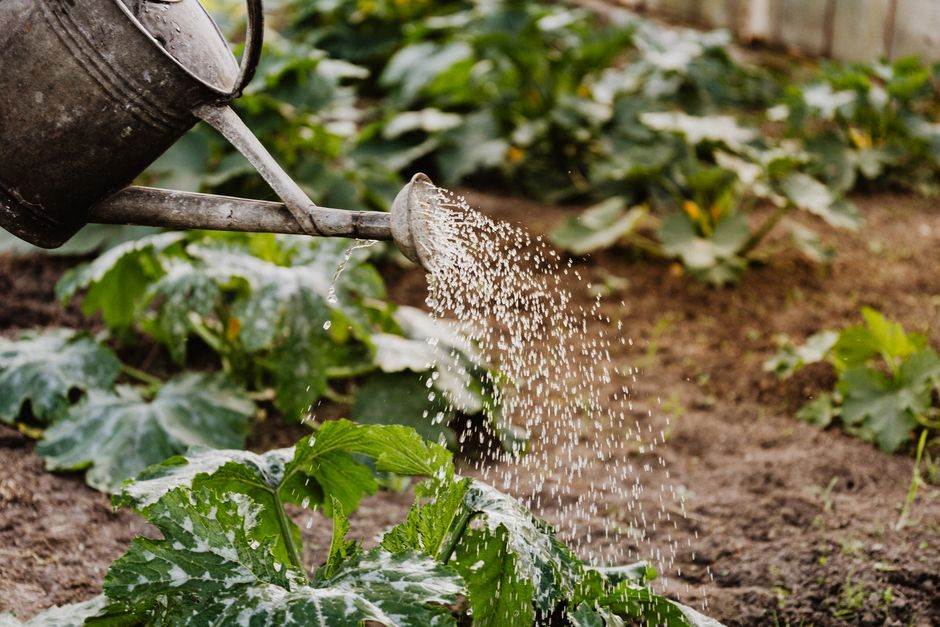
A June border does not need a little water every day. That habit wets the surface, encourages shallow roots and leaves plants struggling as soon as the top few centimetres dry again. The better routine is slower and less frequent: check the root zone, water deeply when it needs it, then cover the soil so the moisture stays there.
That approach suits established flower borders, newly planted perennials and mixed beds with herbs or vegetables. It also reduces wasted water during a dry spell. The timings below are starting points, not a substitute for touching the soil. Sandy ground may need water sooner; heavy clay may stay damp for days after the surface looks dusty.
How often should you water garden borders in June?
The strongest June watering routine starts with the root zone rather than the calendar. Push a finger or a narrow trowel 5 to 8cm into the soil beside a plant, not directly through its crown. If the soil feels cool and holds together, wait. If it feels dry at that depth and breaks into loose crumbs, water slowly.
Water deeply, not little and often
For an established border, one thorough soaking every five to seven days often works during a normal June. In a hot, windy spell, move closer to every three or four days. Newly planted perennials need more attention because their roots have not reached beyond the original planting hole. Check them every two days, but only water when the root ball has started to dry.
Apply water at the soil surface for long enough to reach 15 to 20cm down. A quick sprinkle that leaves the soil wet only 1cm deep does very little. Water around the plant’s drip line, where feeder roots spread, rather than pouring a large amount against the stem. Roses, foxgloves and hardy geraniums can cope with a dry surface once their deeper roots find moisture.
Choose the right time of day
Water before 9am whenever possible. The soil can absorb the moisture before the afternoon heat arrives, and foliage dries quickly enough to reduce the chance of fungal problems. Evening watering can work during a severe drought, but avoid leaving leaves wet overnight, especially on roses, dahlias and dense herbaceous growth.
A useful starting measure is 10 to 15 litres per square metre for a mature border during a dry spell. That amount should soak the root zone without creating puddles. Watch the ground after five minutes. If water runs off, pause for ten minutes, then apply the rest in two or three smaller passes.
How to prepare soil so June watering lasts longer
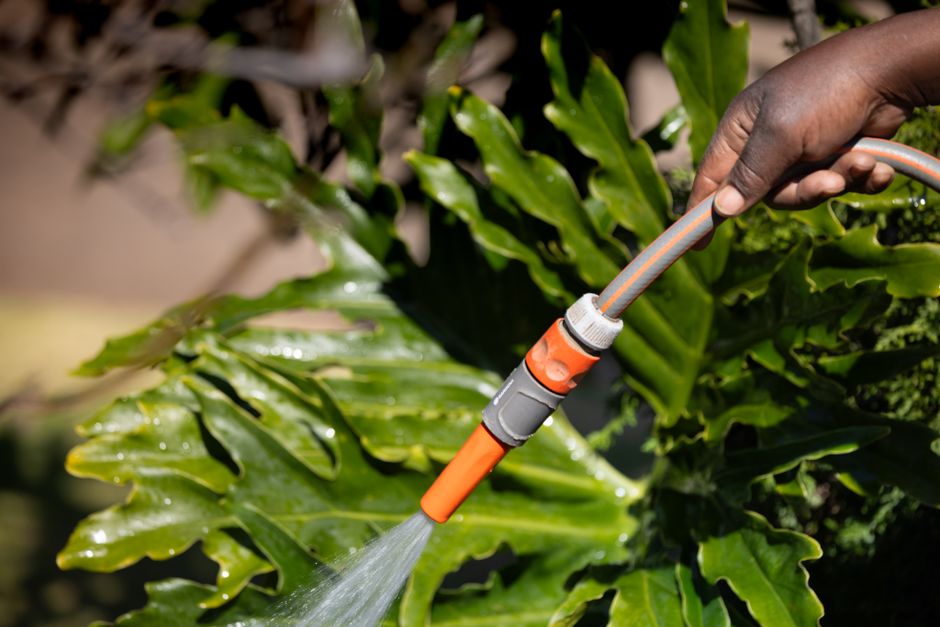
Moisture retention begins before the hose comes out. If water runs away from the bed or evaporates within hours, changing the watering schedule alone will not solve the problem. Improve the soil surface and the roots will receive more of every litre.
Use this five-step border check
- Remove weeds first. Weeds compete for the same shallow moisture, and a dry June gives them an advantage.
- Break only the top 2 to 3cm of compacted soil with a hand fork. Do not churn deeply around established roots.
- Add a 5 to 7cm layer of well-rotted compost, leaf mould or fine bark, keeping it 5cm away from plant stems and crowns.
- Water the soil before spreading mulch if the bed is already dry. Mulch laid over bone-dry soil can hold the dryness in place.
- Check drainage after watering. If puddles remain for more than an hour, reduce the dose per pass and improve the soil gradually with organic matter.
Match the method to the soil
On sandy soil, divide the weekly amount into two slower sessions because water moves down quickly. On clay, water in short pulses so the surface can absorb each dose instead of shedding it. Loam gives the easiest balance, but even good loam loses moisture quickly when bare and exposed.
Mulch is not decoration here. A 5cm cover can shade the soil, soften temperature swings and slow evaporation. Keep grass clippings thin unless they have wilted first, as a thick fresh layer can turn slimy. Leaf mould is excellent around woodland plants and shade-loving perennials; compost suits hungry plants in sunny borders.
Which watering tools suit dry borders and containers?
For a small border, a watering can still gives the best control. For many containers or a bed that dries faster than you can manage, drip equipment earns its place. Prices below are working 2026 examples and can change between retailers. The useful comparison is the coverage and control, not the cheapest shelf price.
Quick comparison for a June dry spell
| Tool | Useful specification | Typical listed price | Best use |
|---|---|---|---|
| Burgon & Ball Waterfall 5 L Watering Can | 5-litre capacity, two-handle design | £34.49 | Small borders, seedlings and targeted hand watering |
| Hozelock Easy Drip Micro Kit 7024 | 15m pipe, 15 drippers, adjustable 0 to 20 L/h flow | £46.27 | Up to 15 pots, planters or small planting groups |
| Hozelock 15 Pot Watering Kit 2802 | Mechanical timer, 5-minute to 2-hour duration | £45.99 | Containers and baskets needing repeat watering |
| GARDENA AquaBloom 13300-20 | Solar pump, 20 drippers at 0.5 L/h, 14 programmes | €134.99 listed in Europe | Tap-free watering for sunny terraces and container displays |
My clear pick for most borders
For an open flower border with an outside tap, the Hozelock Easy Drip Micro Kit 7024 is the most practical choice of these four. Its adjustable drippers let you give a thirsty hydrangea more water than a small thyme plant, and the 15m pipe suits a compact bed or mixed patio display. It does not include a timer, so add one only after you have watched the bed for a week and know the right run time.
Choose the Burgon & Ball can when your border is small enough to inspect by hand. It costs more than a basic plastic can, but the two-handle shape makes slow, low-level watering easier on the wrists. The Hozelock 2802 wins for pots and hanging baskets, not wide borders. The GARDENA AquaBloom makes sense when there is no tap nearby; it is too expensive for a few plants beside a kitchen door.
What goes wrong when borders dry out in June?
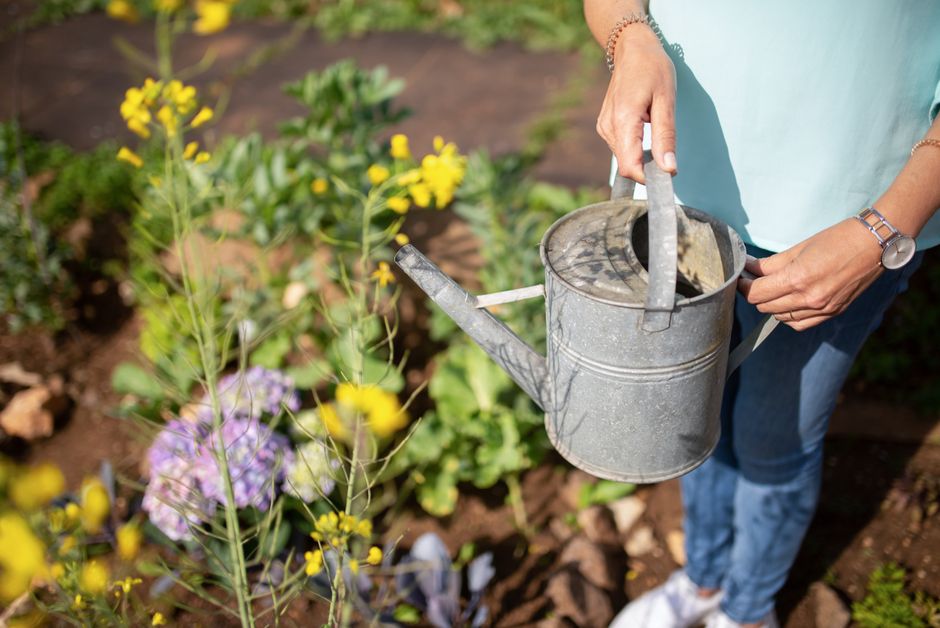
Most watering failures come from poor placement or timing, not from a lack of effort. A routine can look busy while giving plants almost no useful moisture.
Why does water run off the bed?
Hard, dry soil has become water-repellent at the surface, or the gardener is applying water too fast. Turn the tap down, water for two minutes, pause for ten, then repeat. A shallow hand fork can open the top layer, but avoid damaging roots by digging close to plant crowns. If runoff continues, use a hose with a gentle rose or move to short pulses.
Why are plants still wilting after watering?
Check the soil 10cm down before adding more water. Wilting can follow root damage, cold wet soil, transplant shock or a broken stem. A plant sitting in a puddle may wilt because its roots lack air, so more water makes the problem worse. Cut away badly damaged leaves, improve drainage and wait before watering again.
When should you not buy an automatic system?
Do not buy a timer or drip kit for a border you have not observed. Different plants need different amounts, and a preset schedule can drown drought-tolerant lavender while leaving a large shrub thirsty. Skip automation if the tap connection leaks, the filter cannot be cleaned or the pipe will cross a busy path. Hand watering is the better choice for a small, mixed bed where you need to notice pests, broken stems and fresh wilting as you work.
The best June routine is a weekly soil check with targeted watering
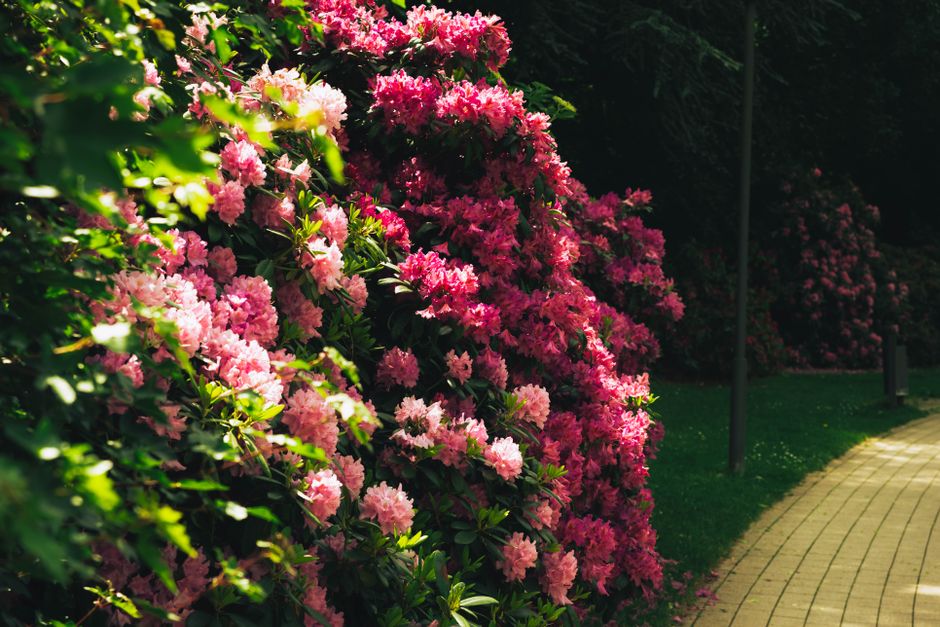
My recommendation is simple: inspect twice a week, water deeply when the root zone is dry, and mulch every exposed patch. That routine beats running a sprinkler for ten minutes every evening because it puts water where roots can use it.
A practical seven-day pattern
- Monday morning: check 5 to 8cm down in three parts of the border. Water dry sections slowly, aiming for 10 to 15 litres per square metre.
- Tuesday: inspect newly planted plants and containers. Water only those with a dry root ball.
- Wednesday: check mulch depth and refill thin areas to about 5cm, leaving space around stems.
- Thursday: look below the surface again after hot or windy weather. Use two or three watering passes if the ground sheds water.
- Friday: inspect drippers, hose joints and timer settings if you use irrigation. A blocked dripper can kill one plant while the rest of the bed looks healthy.
- Saturday: hand-water newly planted shrubs, seedlings and thirsty crops. Water at soil level, not over the foliage.
- Sunday: leave established plants alone if the root zone is still cool and damp.
What this routine protects
Deep watering encourages roots to move down, while mulch slows the return of moisture to the air. The result is a border that handles several hot days without daily rescue watering. Plants still need closer checks during heatwaves, after planting or when the wind stays strong, but the decision comes from the soil rather than a rigid timer.
A border that receives less frequent, well-placed water often looks healthier than one that gets constant surface sprinkling. By late June, the difference shows in firmer stems, fewer wilted leaves and soil that remains cool beneath the mulch.