
The common mistake is treating every bare patch as a planting emergency. Early summer gaps often appear because spring bulbs have collapsed, young perennials have not reached their full size, or a new border has not filled out yet. The fix is not to buy the brightest plant in the garden centre. It is to match the filler’s height, shape, colour, and lifespan to the space already available.
How to make a filler look planned instead of random

A filler looks intentional when it repeats something already present. That can be a flower colour, a leaf shape, a vertical line, or a loose meadow texture. Do not shop by flower photograph alone.
Use three decisions, not a random shopping list
- Set the height. Keep front-of-border fillers below 45cm, middle fillers around 45cm to 90cm, and back-of-border fillers above 90cm only when they have enough support.
- Match the light. Six hours of direct sun opens the door to flowering annuals. Two to four hours calls for foliage, pale flowers, or plants that tolerate partial shade. A sunny label will not make a shade border bloom.
- Repeat the planting. Use three, five, or seven plants in a loose drift rather than one specimen stranded in bare soil. Odd numbers usually create a more relaxed rhythm.
- Leave the permanent plant room. A filler should sit in front of or between established plants, not cover their crowns or crowd their roots.
- Choose an ending. Decide what happens after flowering. Some fillers can be removed in July; others can stay for seedheads or self-sowing. The exit plan is part of the design.
Repeat one cue across the border
If the border already contains silver foliage, choose a filler with fine grey-green leaves. If it has strong verticals, add another upright shape rather than a low carpet. If the main planting is soft pink and blue, one orange filler may look deliberate only when that orange appears twice. This small rule prevents the usual late-spring panic purchase: a healthy plant that is individually attractive but visually unrelated to everything around it. The RHS annuals guidance also makes the practical case for annuals: they are cheap, quick, and easy to remove when the permanent planting matures.
Annuals versus perennials: the real cost of filling a gap
The cheapest route is usually seed, but the fastest route is a young plant. A permanent perennial costs more at the checkout and may still need a year to establish. Here are useful 2026 reference points from UK garden retailers.
| Filler | Typical cost | Useful size or timing | Main trade-off |
|---|---|---|---|
| Thompson & Morgan Nigella damascena ‘Miss Jekyll’ | £3.49 per packet | Up to 45cm high, 30cm spread; around 21 days to germinate | Cheap and airy, but slower from a late sowing |
| Sarah Raven Cosmos bipinnatus ‘Purity’ | £2.21 for 100 seeds when listed; £19.95 for six 9cm pots | Tall summer filler for full sun | Excellent height, but needs staking and regular water |
| Suttons Salvia nemorosa ‘Caradonna’ | £12.99 for a 9cm plant | Hardy perennial with upright purple flower spikes | Higher first cost, but returns in later summers |
Cash cost tells only half the story
A packet of seed has no APR and no purchase fee when paid in cash, but delivery can change the total: the listed seed delivery charge at Sarah Raven is £2.99, while plant delivery is £5.99. Put several packets in one order or buy locally if the basket is small. If a credit card charges 24.9% to 34.9% APR, a £20 filler bought on credit and carried for six months can cost more than the plant’s original price.
The best value depends on the gap’s lifespan
For a one-season hole, Nigella is the value winner. For height and cutting flowers, Cosmos ‘Purity’ earns its space if you can wait for it to bulk up. For a border that needs the same gap filled every year, Salvia ‘Caradonna’ is the stronger long-term buy because the initial £12.99 is spread across several seasons. Bottom Line: buy seed for temporary coverage, a perennial for a repeat problem, and a young plant only when the visual deadline is close.
My shortlist: three fillers that earn their space
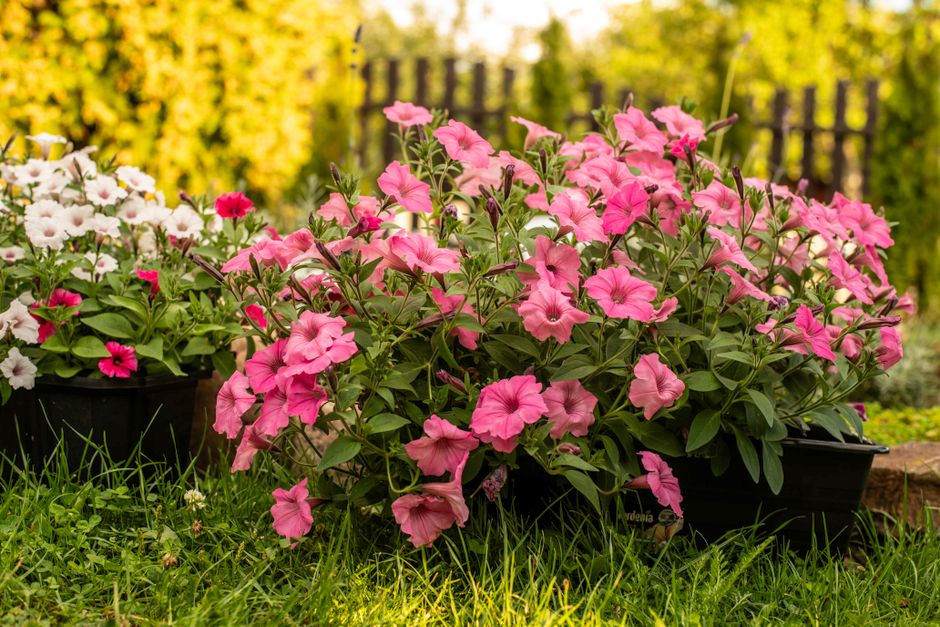
My clear opinion: Nigella ‘Miss Jekyll’ is the best all-round filler for a sunny early-summer gap. It is inexpensive, light enough to sit between permanent plants, and useful after flowering because its seedheads keep the border interesting.
Best for a light, loose front half: Nigella ‘Miss Jekyll’
The Thompson & Morgan packet costs £3.49 and contains 685 seeds, with plants reaching about 45cm high and 30cm wide. Sow it directly into finely prepared soil, thin seedlings to roughly 23cm apart, and avoid rich feeding. Nigella dislikes permanently wet soil and does not flower well in shade. Its blue flowers and feathery leaves soften a rigid border without forming a heavy block. Leave a few faded heads rather than dead-heading everything; they add structure and may self-sow for next year.
Best for height and cutting: Cosmos ‘Purity’
Sarah Raven’s Cosmos bipinnatus ‘Purity’ gives a taller white flower that can connect low front planting with shrubs behind it. The seed option is inexpensive, while six 9cm pots cost £19.95 when available. It wants full sun, ordinary well-drained soil, and support once stems become tall. Choose it when the gap is at least 60cm wide and you want flowers for a vase as well as the border. Do not squeeze it into a narrow front edge; the height will look accidental.
Best long-term repeat: Salvia ‘Caradonna’
Suttons lists Salvia nemorosa ‘Caradonna’ from £12.99 for a 9cm plant. It produces upright violet flower spikes, handles dry conditions once established, and returns as a reliable perennial. Buy it for a gap that will remain part of the border plan, not for a temporary hole in front of a plant that will soon expand. Bottom Line: Nigella wins on low cost and softness, Cosmos wins on height, and Salvia wins when you are willing to pay once for repeat performance.
The fastest decision if you want one clear answer

If the gap is sunny, visible from the house, and needed for the next eight weeks, choose a small group of Nigella ‘Miss Jekyll’ plants or a packet sown in a prepared patch, because its 45cm height and fine foliage add presence without hiding the permanent border behind it.
If the gap needs height
Choose Cosmos ‘Purity’ when the opening is broad, the soil drains well, and you can provide support; the white flowers are the strongest bridge between low planting and taller shrubs, but the plant is a poor choice for a narrow edge or dry shade.
If the gap should disappear next year
Choose Salvia ‘Caradonna’ despite the higher £12.99 starting price, because repeated flowering and a compact upright shape make it a better long-term purchase than replacing cheap annuals every summer, provided the site receives sun and the surrounding plants will not swallow it.
That is the whole buying decision: temporary gap, buy seed; urgent gap, buy a young plant; permanent gap, buy the perennial that fits the mature border. The financial comparison is simple too: pay the listed cash cost once, watch delivery fees, and do not carry a small garden purchase at 24.9% to 34.9% APR.
Questions buyers ask before planting in June
Can I sow hardy annuals in early summer?
Yes, but flowering will usually arrive later than it would from an autumn or early-spring sowing. Direct-sow into weed-free, finely prepared soil, keep the surface moist until germination, and thin seedlings so air can move between them. Nigella is useful because it can be sown from early spring into early summer, while Calendula, Godetia, Clarkia, and Cerinthe can also suit a late gap. Seeds give the lowest upfront cost, but they do not give an instant display. If the border is viewed from a patio or kitchen window, use young plants near the main sightline and seed farther back.
Should I buy one large plant instead of several small fillers?
Usually no. One large plant may fill the space faster, but it creates a single visual stop and can cost more than a repeated drift. A 9cm Salvia ‘Caradonna’ at £12.99 is sensible when the plant has a permanent job. It is poor value if the gap will vanish when a nearby shrub reaches full size. Three small plants often create better rhythm than one oversized specimen, even when their combined cost is similar. Check the final spread, not the size of the pot on purchase day.
What if the gap is only temporary?
Use an annual that can be removed cleanly after flowering, leave some seedheads for structure, and avoid digging deeply around established roots. The bare patch beside fading spring bulbs is not a crisis; it is a short handover between seasons. Once you repeat height, colour, and spacing, the gap reads as part of the plan rather than missing planting. For most sunny borders, Nigella is the safest low-cost answer, Cosmos adds height, and Salvia is the choice when the same space needs a permanent solution. The border starts as a patch of exposed soil and ends as a deliberate pause between spring and summer, which is exactly what good filler planting should do.