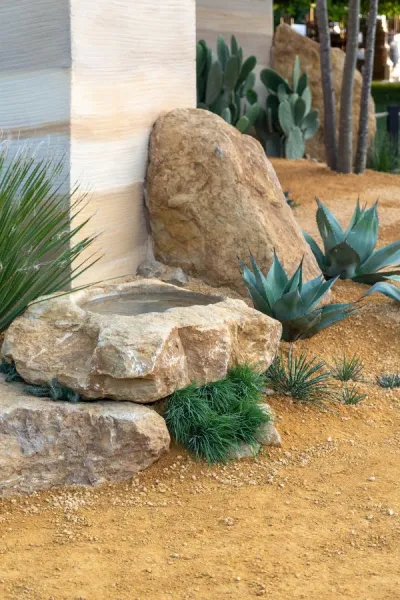
6 trending ideas for your garden from RHS Hampton Court 2023
Over 120,000 people attended the RHS Hampton Court Palace Garden Festival in 2026 — and if you weren’t one of them, you missed something genuinely useful. Not just pretty show gardens, but a clear signal about where home gardening is heading: wilder, more resilient, and far more considered than a tidy lawn flanked by bedding plants.
These are the six trends that stood out, with specific plants, prices, and practical steps to try them yourself.
1. Naturalistic Planting: The “Messy on Purpose” Approach That Actually Works
This was everywhere at Hampton Court 2026. Designers moved away from rigid planting schemes and toward layered, naturalistic drifts — the kind of planting that looks like it arrived by wind but actually requires careful plant selection to pull off.
The philosophy comes from the New Perennial movement, closely associated with landscape designer Piet Oudolf (who designed the High Line in New York). Several Hampton Court show gardens took clear cues from this style: tall grasses anchoring mid-border plants, with low groundcovers filling gaps beneath. The result is a border that looks full by June and stays interesting through November.
Which plants to use
The backbone plants in naturalistic schemes almost always fall into three categories:
- Grasses: Stipa tenuissima (feather grass, around £5-8 per plant from Crocus) for movement, or Deschampsia cespitosa ‘Goldtau’ if your soil holds moisture in winter
- Tall structural perennials: Verbena bonariensis (£3-5 a plug, or grow from seed via Thompson & Morgan for £2.99 a packet), Echinacea purpurea ‘Magnus’ (coneflower, £6-9 from most nurseries)
- Mid-layer fillers: Salvia nemorosa ‘Caradonna’ — one of the best border salvias available, deep violet spikes from May onwards, widely available from Sarah Raven or good garden centres for £7-10
How to layer it correctly
The mistake most people make: planting everything at the same height. Naturalistic schemes work in three layers — tall (1m+), mid (40-80cm), and low groundcover (under 30cm). Plant in odd-numbered groups of 3 or 5. Space them closer than instinct tells you — by midsummer this style is meant to fill in densely, with plants leaning against each other.
Repeat the same 2-3 species throughout the border rather than using 15 different plants once each. Repetition creates rhythm. Variety without repetition creates noise.
Common mistakes to avoid
Don’t buy ornamental grasses without checking their mature habit. Miscanthus sinensis varieties reach 2m and will swamp smaller companions. For a first naturalistic border, Stipa tenuissima or Molinia caerulea are both well-mannered and genuinely beautiful in low autumn light.
Naturalistic planting also needs cutting back once a year (late winter is the right time), not constant deadheading throughout the season. That’s part of the appeal — the seedheads provide winter structure and bird food, and the whole border needs one good cut in February rather than weekly fussing.
2. Drought-Tolerant Planting: Which Mediterranean Plants Actually Survive a UK Winter
Climate resilience was a running theme through the 2026 show. After the droughts of 2026, designers were openly discussing plants that handle dry summers without irrigation — and the Mediterranean palette came out as the clear answer. But there’s a critical distinction: not all Mediterranean-style plants are reliably hardy in the UK. Here’s a straightforward breakdown.
| Plant | UK Hardiness | Height | Best For | Approx. Cost |
|---|---|---|---|---|
| Agapanthus ‘Headbourne Hybrids’ | Hardy to -10°C (most UK regions) | 60-80cm | Sunny borders, large pots | £6-10 per plant |
| Lavandula angustifolia ‘Hidcote’ | Fully hardy across UK | 40-60cm | Low hedging, edging | £5-7 per plant |
| Eryngium x zabelii ‘Big Blue’ | Hardy to -15°C | 60-90cm | Dry sunny borders | £7-9 per plant |
| Cistus x purpureus (Rock Rose) | Hardy to -5°C (needs shelter) | 80-100cm | South-facing walls only | £8-12 per plant |
| Phlomis russeliana | Fully hardy across UK | 90cm | Dry shade or full sun | £7-10 per plant |
| Agastache ‘Blue Fortune’ | Hardy to -10°C | 80-100cm | Pollinators, free-draining soil | £6-9 per plant |
The soil preparation step most people skip
Mediterranean plants hate waterlogged soil in winter far more than they hate cold temperatures. Cistus will survive a sharp frost but will rot quietly in wet clay between November and March. Before planting, add horticultural grit — Kelkay Horticultural Grit (20kg bag, around £8-10 from B&Q or garden centres) mixed into the planting hole at roughly 30% grit to 70% existing soil. This single step makes the difference between plants that thrive and plants that collapse by February.
When NOT to go Mediterranean
If your garden faces north or sits in heavy clay soil with no drainage, a full Mediterranean scheme is fighting your conditions. Go for Phlomis russeliana instead (tolerates wet soils better than most), or switch to a prairie-style planting with Persicaria amplexicaulis and Astrantia — equally resilient once established but far better suited to heavier ground.
3. Edible Landscaping: How to Grow Food Without Sacrificing Style
Show gardens at Hampton Court 2026 pushed back hard against the idea that productive gardens have to look utilitarian. Kitchen gardens appeared alongside ornamental borders, with vegetables and herbs chosen as much for their visual appeal as their flavour. The key shift: treating edibles like ornamentals — selecting for colour, texture, height, and seasonal interest, not just yield.
Step-by-step: creating an edible border
- Start with structural plants at the back. Globe artichokes (Cynara scolymus) reach 1.5m and look genuinely architectural. Plants are available from Victoriana Nursery Gardens for around £8.50 each. Place these where you’d normally use a tall shrub.
- Add mid-height herbs for colour and texture. Bronze fennel (Foeniculum vulgare ‘Purpureum’) has feathery dark foliage and flat yellow flowerheads — it’s fully edible and genuinely beautiful. Seed packets from Thompson & Morgan cost around £2-3 and it self-seeds reliably once established.
- Use climbing edibles to add vertical interest. Runner beans on a hazel wigwam or metal obelisk add height fast. Timber obelisks from Harrod Horticultural start around £25 for a 1.8m version — these look substantially better than plastic alternatives and last a decade with basic care.
- Fill mid-border gaps with cut-and-come-again salads. Red oak leaf lettuce and ‘Rhubarb’ chard both add genuine colour at ground level. Suttons Seeds mixed lettuce plug trays cost £6-8 for 12 plugs — easy to drop in wherever there’s a gap.
- Edge the whole border with strawberries. ‘Mara des Bois’ is the variety worth growing — smaller fruit than supermarket varieties but intensely flavoured, and the trailing habit works perfectly as edging. Available from Marshalls Seeds at around £12 for 12 plants.
Keep the bed shape simple. A complicated curved bed with edibles in it reads as unkempt. The same plants in a clean rectangular raised bed look deliberate and considered. Harrod Horticultural steel corner raised bed kits (from around £120 for a 1.2m x 1.2m unit) make this approach straightforward.
4. The Single Biggest Shift at Hampton Court 2026
Every designer at the show kept coming back to soil health — not plants, not design, but the ground beneath everything. Start there: get a basic soil pH test kit (around £5 from any garden centre) and add mycorrhizal fungi granules like Rootgrow (£9.99 for 360g, widely available from RHS online, Crocus, and most good garden retailers) to every planting hole you dig this year. That single change improves establishment faster than any other intervention, regardless of what trend you’re following.
5. Reclaimed and Recycled Materials: What the Show Gardens Were Actually Built From
Reclaimed materials are the right choice for most garden projects — better aesthetically, often cheaper, and meaningfully lower in embodied carbon than new equivalents. Hampton Court 2026 made this argument visually and convincingly, with several show gardens built almost entirely from salvaged stone, brick, and timber.
What materials worked best on the show
Reclaimed brick was the standout across multiple gardens. Old brick has a warmth that new brick can’t replicate — the colour variation and patina come from decades of weathering, not a factory process. Sourcing is straightforward through Salvo.co.uk, the UK’s main salvage marketplace, where reclaimed London stock bricks typically run £0.40-0.80 each. New equivalents often cost £1+ each, so the economics stack up as well as the aesthetics.
Recycled glass aggregate also appeared in several gardens as a gravel alternative. Companies like Enviroglass produce decorative glass gravel made from 100% recycled glass — it looks genuinely striking in the right context and costs around £8-12 per 20kg bag, comparable to standard decorative gravel.
Should you use railway sleepers?
Sleepers remained a popular choice for raised beds and retaining walls. New untreated oak sleepers (2.4m x 200mm x 100mm) cost around £30-45 each from timber suppliers including Jewson and Travis Perkins. Avoid old reclaimed sleepers treated with creosote if you’re growing edibles — the chemicals can leach into soil over time. For kitchen garden raised beds specifically, new oak or green oak is the right call.
Permeable paving — is it worth the premium?
Permeable paving lets rainwater filter through rather than running to drains. Products like Marshalls Priora permeable block paving look identical to standard paving but manage surface water naturally. They cost roughly 10-15% more per square metre than standard blocks, but in gardens prone to waterlogging they can reduce or eliminate separate drainage work — which quickly offsets the difference. If budget is tight, 20mm pea gravel laid over Mypex weed membrane (around £35 for a 10m x 1m roll) costs roughly £5-8 per square metre installed and achieves the same drainage benefit at a fraction of the cost.
6. Wildlife Gardening: Building a Garden That Supports More Than One Species
The RHS has been pushing wildlife gardening for years, but Hampton Court 2026 felt like a turning point. Several of the most-discussed show gardens were built specifically around biodiversity, pollinator corridors, and habitat creation — and this wasn’t presented as a sacrifice of beauty. The gardens looked extraordinary.
What actually attracts wildlife — and what doesn’t?
Wildlife-friendly planting isn’t about scattering a generic “bee mix” and hoping for the best. It requires specific choices. Bees need single-flowered blooms — double-flowered cultivars look showy but often block nectar access entirely. Butterflies need larval food plants, not just nectar sources. Hedgehogs need log piles and gaps under fences to move between gardens — not ornamental hedgehog houses, which they rarely use.
For pollinators, the most productive plants per square metre are:
- Phacelia tanacetifolia — grow from seed (£1.99-2.99 per packet from Chiltern Seeds), fast-growing, and genuinely loved by bumblebees
- Nepeta ‘Six Hills Giant’ — the best catmint cultivar, hardy, long-flowering from May to September with a second flush if cut back, around £7-9 per plant
- Helenium ‘Sahin’s Early Flowerer’ — starts in June, continues to October, consistently rated among the best late-season pollen sources, around £8-10 per plant
- Rudbeckia fulgida var. sullivantii ‘Goldsturm’ — vital for emerging bumblebee queens in autumn, widely available for £5-8
Building habitat structure — the practical steps
Stop cutting hedges between March and August (nesting season). If you don’t have a hedge, a 2m run of native hawthorn (Crataegus monogyna) planted as bare-root whips costs around £1-2 per plant from Ashridge Trees or Hedging Direct — ordered in winter for planting between November and March. Within three years it provides nesting cover, spring blossom for early pollinators, and berries for birds through winter.
A log pile takes ten minutes to create. Stack 4-6 pieces of untreated wood in a corner and leave it. Within one season: beetles, woodlice, and possibly slow worms — all of which eat garden pests.
The common mistake with wildlife ponds
If you’re adding a pond — one of the most effective single interventions for garden biodiversity — don’t use a rigid preformed liner. They’re too steep-sided for animals to enter and exit safely, and too small to maintain stable water temperature through summer. Use a butyl rubber liner instead. Bradshaws Direct sells 0.75mm butyl liner from around £25 for a 3m x 3m piece. Create gently sloping sides with at least one shallow beach area — a patch of gravel or flat stones — so frogs, hedgehogs, and birds can drink and exit safely.
A properly built wildlife pond attracts frogs within the first year. Frogs eat slugs. The chain of cause and effect from one afternoon’s digging is longer and more useful than any pesticide application.
The most important thing to take away from Hampton Court 2026: every trend on this list works better when the soil beneath it is healthy — so test yours and fix it before you buy a single plant.
