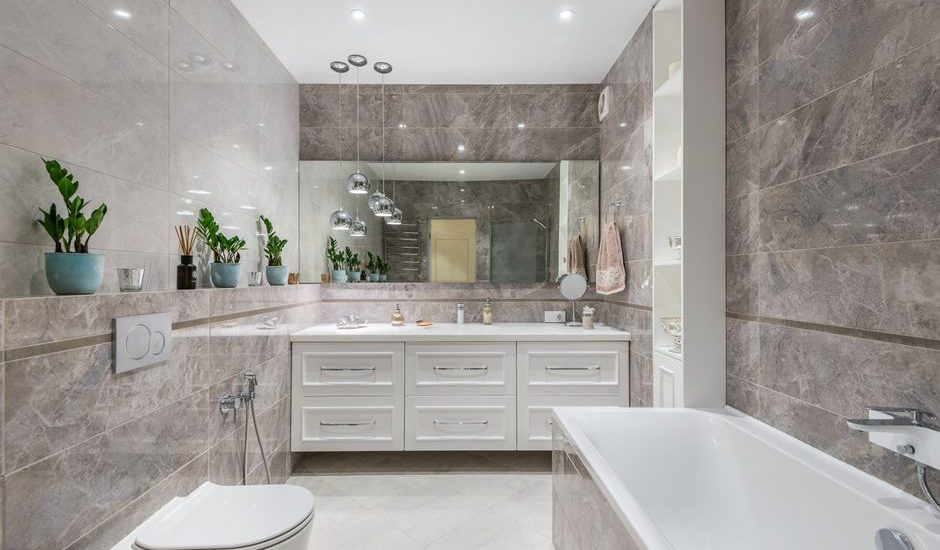
Easy Bathroom Renovation Ideas That Add Real Value
The grout between your tiles has turned the color of old dishwater. The vanity light flickers. The mirror has that foggy silver edge where the backing has started to fail. None of this happened overnight — it crept in over years, and now the whole room feels beyond saving.
A contractor quote for a full gut renovation came in somewhere between $12,000 and $22,000. That number stops most people cold. So they do nothing, which means the bathroom keeps degrading until the quote gets worse.
There’s a middle path. Most bathrooms need three to five targeted changes — not a full demolition. The trick is knowing which changes actually move the needle and which ones just look good in staging photos.
Note: Cost estimates reflect 2026 national averages and vary by region and labor market. This is not financial advice.
What a Bathroom Renovation Actually Costs — By Project
Before touching anything, map out what each fix actually costs. Most renovation guides give ranges so wide they’re useless. Here’s a more honest breakdown:
| Project | DIY Material Cost | Contractor Total | Visual Impact |
|---|---|---|---|
| Regrout and recaulk | $15–$50 | $250–$600 | High |
| Vanity light replacement | $40–$150 | $250–$500 | High |
| Faucet swap | $80–$250 | $350–$700 | Medium |
| Pre-built vanity swap | $250–$700 | $900–$1,800 | High |
| Toilet replacement | $180–$450 | $450–$900 | Medium |
| Shower door replacement | $280–$900 | $700–$1,600 | High |
| Full tile replacement | $600–$2,000 | $4,000–$10,000 | High — but risky |
The pattern is obvious. Grout, lighting, and a faucet deliver the highest visual return per dollar. Full tile replacement is the most disruptive option, and for most bathrooms with intact substrate, it’s genuinely unnecessary.
The hidden cost most people miss
Permit costs. If you’re moving a toilet, relocating a drain, or touching the electrical panel, most jurisdictions require permits — typically $100–$400 — plus inspections. Skipping permits on plumbing work creates title issues when you sell. Budget for them before the first tool comes out.
Start Here Before Buying Anything Else
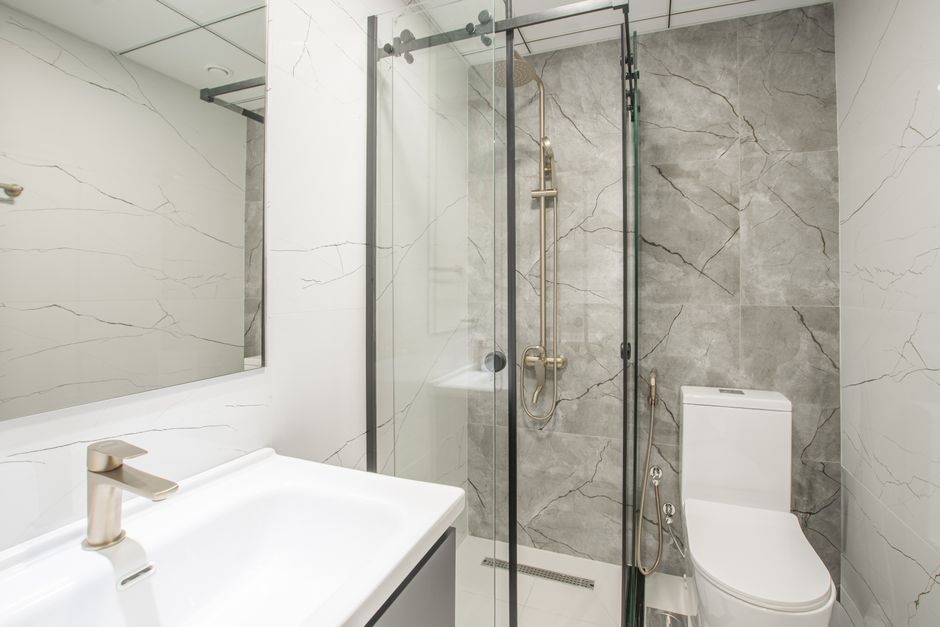
Regrout the tile and recaulk the tub surround. That’s the first move. Full stop.
Black, orange, or pink-stained grout visually contaminates an entire room. Fresh white grout can make ten-year-old tiles look like a recent install. A grout saw costs $8. A bag of Polyblend grout from Custom Building Products runs about $12. This is a weekend project with no skill requirement beyond patience, and it delivers the single highest ROI of any bathroom renovation move on this list.
Same logic applies to caulk lines around the tub, toilet base, and sink. GE Sealants makes a mold-resistant silicone caulk ($8 a tube) that holds up significantly better than standard latex options. Remove old caulk completely with a plastic scraper, clean with rubbing alcohol, apply a fresh bead. The transformation is immediate and costs under $20.
Fixtures: What’s Actually Making Your Bathroom Look Dated
Mismatched metal finishes are the main culprit — and almost nobody talks about this clearly. A brushed nickel faucet, chrome towel bar, brass toilet paper holder, and oil-rubbed bronze cabinet pulls in the same room reads as neglect, not style. Matching your hardware finish across every touchpoint — faucet, towel bar, toilet paper holder, robe hook, drain cover — is the most impactful visual fix that doesn’t involve tile or paint.
Which finish actually holds up
Brushed nickel is the safest long-term choice. It doesn’t show water spots and works with both warm and cool color palettes. Matte black reads as contemporary but shows hard water residue badly in high-mineral areas. Polished chrome is timeless but requires more regular wiping to keep it looking clean.
For faucets: the Moen Genta single-handle faucet in brushed nickel runs $85–$110 at Home Depot and installs in about 45 minutes with basic plumbing knowledge. The Delta Trinsic ($140–$200) has a cleaner architectural profile for a more contemporary bathroom. Both carry lifetime finish warranties — which matters more than most buyers realize. Cheap fixtures from unknown brands show wear within 18–24 months.
Toilets: the fixture nobody wants to think about
If your toilet predates 2010, it’s almost certainly using 3.5 gallons per flush. The American Standard Cadet 3 ($180 at Lowe’s) drops that to 1.28 gallons and has one of the better flush performances in its price range. The TOTO Drake II ($380) is the pick for quieter operation and better long-term reliability — it’s held top ratings in Consumer Reports testing for several consecutive years. Replacing a toilet yourself takes about 90 minutes. The hardest part is carrying the old one out.
The Vanity Question: Replace, Resurface, or Reface?
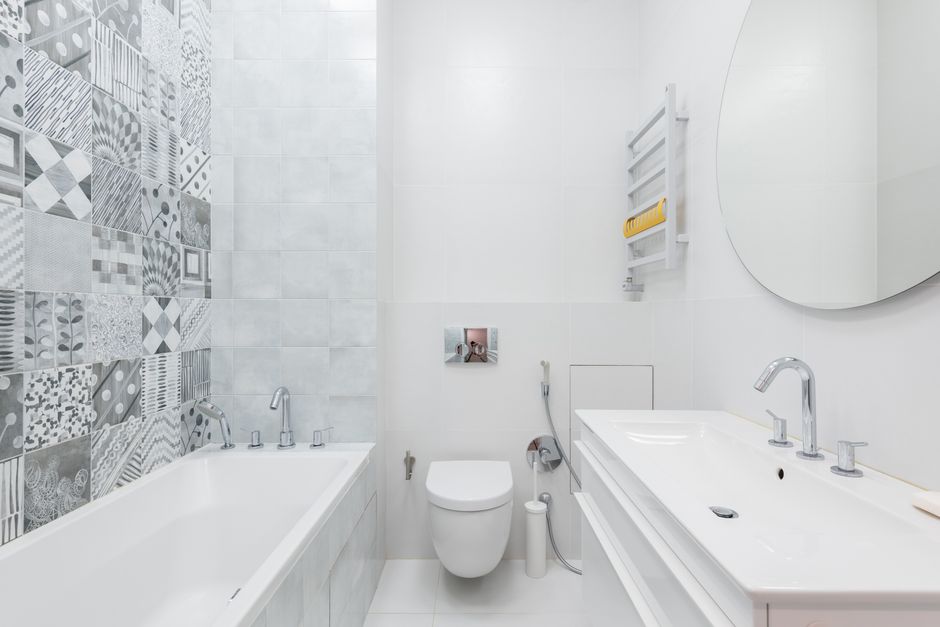
- Replace the whole vanity if the cabinet box is particle board that has swelled, or if plumbing connections are corroded. The IKEA HEMNES sink cabinet ($299) is solid wood and genuinely holds up. Home Depot’s Hampton Bay line ($250–$450 depending on size) is the mid-range pick. Both arrive ready to install without custom lead times.
- Resurface with cabinet paint if the box is structurally sound but the finish is worn. Rust-Oleum Cabinet Transformations ($80 for the full kit) bonds to laminate and wood without sanding. The finish is durable enough for bathroom humidity but needs 72 hours of full cure time before use.
- Reface with new doors only if the cabinet frame is solid and the layout works. IKEA ENHET replacement doors cost $15–$45 each. For non-IKEA cabinets, online manufacturers like Barker Doors or Walcraft Cabinetry cut to exact dimensions at reasonable prices.
Bottom Line: Replacing the vanity entirely costs more upfront but adds more perceived value — especially when the countertop, sink, and faucet are included in the swap. Resurfacing and refacing only make sense when the underlying structure is genuinely solid. If you’re pressing down on the cabinet side and it flexes, replace it.
Lighting and Mirrors: Why Most People Get the Order Wrong
Most people replace the mirror first. They should replace the light first.
Does fixture position matter more than the fixture itself?
Yes. A single bar mounted directly above the mirror casts shadows under the chin and across the face. Side-mounted vanity lights at roughly eye level — around 60–65 inches from the floor — provide even, wrap-around light that actually makes the space functional. If your bathroom only allows an over-mirror position, choose a wide bar that extends at least 24 inches across to reduce the shadow problem.
The Progress Lighting Gather two-light bar ($60–$90) is a clean, inexpensive option that comes in multiple finishes. For a more refined profile, the Feiss Kira ($110–$160) is worth the price difference.
What color temperature should bathroom vanity bulbs be?
Use LED bulbs rated 2700K–3000K. That range mimics warm incandescent light without the yellow cast that makes everything look dingy. Avoid anything above 4000K near a mirror — the daylight harshness is unflattering for daily use. Target 800–1100 lumens per bulb for adequate brightness.
On mirrors: a frameless mirror above $150 is rarely worth it unless the proportions are unusual. The OVE Decors LED backlit mirror ($180–$320 depending on size) doubles as task lighting and eliminates the need for a separate light fixture entirely — a real solution for bathrooms with limited wall space above the vanity.
Storage Without Opening a Wall
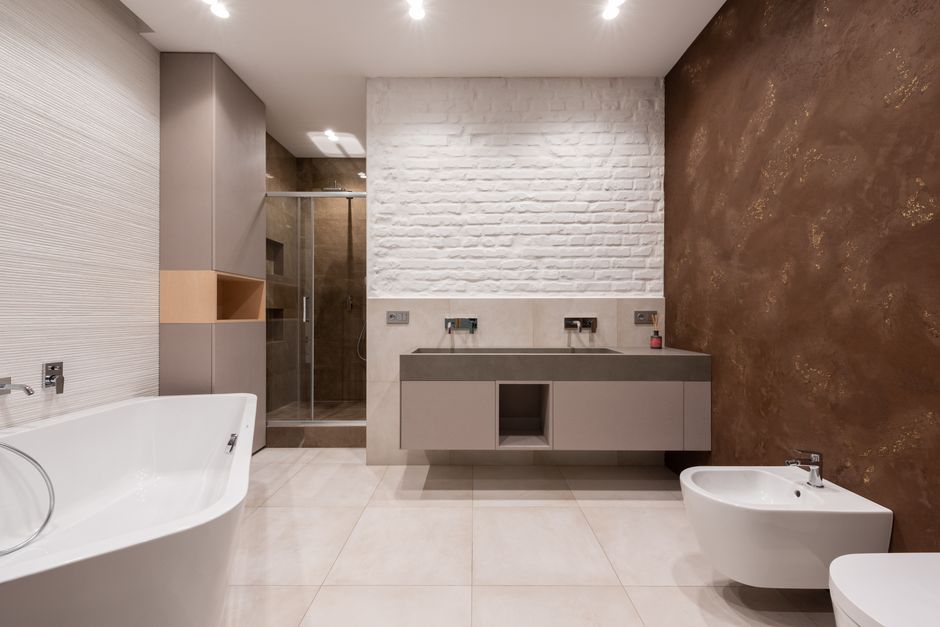
Over-the-toilet shelving gets dismissed as a cheap solution. The right unit, properly installed, works. The IKEA LILLÅNGEN wall cabinet ($125) mounts directly to studs and creates enclosed storage — not a flimsy open shelf collecting dust. For renters or anyone unwilling to drill into tile, the Zenna Home over-toilet space saver ($65–$90 at Target) is stable enough for daily toiletries without wall anchoring.
Floating shelves work in bathrooms, but most DIY installs fail because the installer doesn’t hit studs. Bathroom walls are often tiled or have cement board that makes stud-finding harder. Use a magnetic stud finder — the Zircon StudSensor e50 ($20) is reliable — and set anchors before committing to shelf placement. Shelves that sag or pull out look worse than no storage at all.
Medicine cabinets solve two problems at once: mirror and storage. The Kohler Verdera recessed medicine cabinet ($280–$450) installs between standard studs and creates meaningful enclosed storage while replacing the mirror. It’s the most efficient square-footage move in a small bathroom.
Projects That Rarely Pay Off
Walk-in shower conversions from tub-only bathrooms cost $4,000–$9,000 installed and often reduce resale value in family neighborhoods where buyers expect at least one bathtub. Heated floor systems ($600–$1,500 for materials alone) require professional installation and create ongoing complexity. Vessel sinks look dramatic in photos and are genuinely awkward to use — counter height becomes wrong for most adults, and they chip easily.
Peel-and-stick tile over existing tile sounds like an easy refresh. In practice, the adhesive fails within 12–24 months in wet environments, and removal leaves residue that complicates future real tile work.
The honest framework: surface-level changes — grout, caulk, fixtures, lighting — deliver strong ROI at low risk. Changes that move supply lines, relocate drains, or add square footage require permits and professional labor, and the math rarely closes in the homeowner’s favor unless the goal is a near-term sale.

Recent Comments