Why I stopped trusting air purifier reviews and bought a box fan instead
August 2021. Portland, Oregon. The sky was the color of a bruised apricot and the air smelled like someone was barbecuing a tire in my hallway. I’d just spent $400 on a Levoit that every major tech site swore was the ‘best air purifier’ on the market. I plugged it in, turned it to max, and waited for the magic. Two hours later? I was still coughing, the sensor was still reading ‘Good,’ and my living room looked like a 1970s pool hall. That was the day I realized most air purifier reviews are written by people who have never actually breathed bad air.
Most of these reviews are just regurgitated spec sheets. They talk about CADR (Clean Air Delivery Rate) like it’s some holy gospel, but they don’t tell you that the filter starts smelling like a wet dog after three weeks of heavy use. I’m not a scientist. I just work a regular job and write this on the side because I’m tired of people getting fleeced by fancy plastic boxes that don’t do anything.
The ugly square that actually works
If you want the truth, the only thing I’ve ever bought that actually made a dent in my allergies is the Coway AP-1512HH Mighty. It looks like a giant iPod Shuffle from 2005. It is objectively ugly. It’s got this weird glossy finish that attracts dust like a magnet, which is ironic for a machine designed to kill dust. But here’s the thing: I tested it. I bought a cheap Temtop PM2.5 monitor and tracked the air in my 12×12 office for a week. The Coway took the particulate count from 45 down to 3 in exactly 14 minutes. I’ve done this test six times. It never misses.
I know people will disagree with me on this because it’s an older model, but the newer ‘smart’ versions are a waste of money. You don’t need an app to tell you your air is dirty. You have a nose. Use it. The Coway is loud on its highest setting—it sounds like a distant prop plane taking off—but it moves air. That’s all that matters. Everything else is just expensive window dressing.
The best air purifier is the one that moves the most air through the thickest filter. It’s not complicated.
Why I will never buy another Dyson

I’m going to be blunt: Dyson air purifiers are a scam. There, I said it. I know they look like something out of a sci-fi movie and the engineering is ‘revolutionary,’ but it’s a glorified desk fan. I spent $600 on a Pure Cool Link and it’s the biggest regret in my closet. It’s too thin. To get any actual filtration, the air has to move so slowly through those tiny filters that it barely cleans a medium-sized room. I refuse to recommend them even though everyone loves the brand because I think they’re selling status, not clean lungs. It’s a status symbol for people who want their guests to think they’re sophisticated while they’re still breathing in dander. Total garbage.
Anyway, I once tried to clean the sensors on my Dyson with a Q-tip because the manual said to, and I ended up snapping a tiny plastic tab that made the whole thing rattle for the next two years. It felt like paying $600 for a very expensive maraca. But I digress.
The part nobody talks about (The Filter Racket)
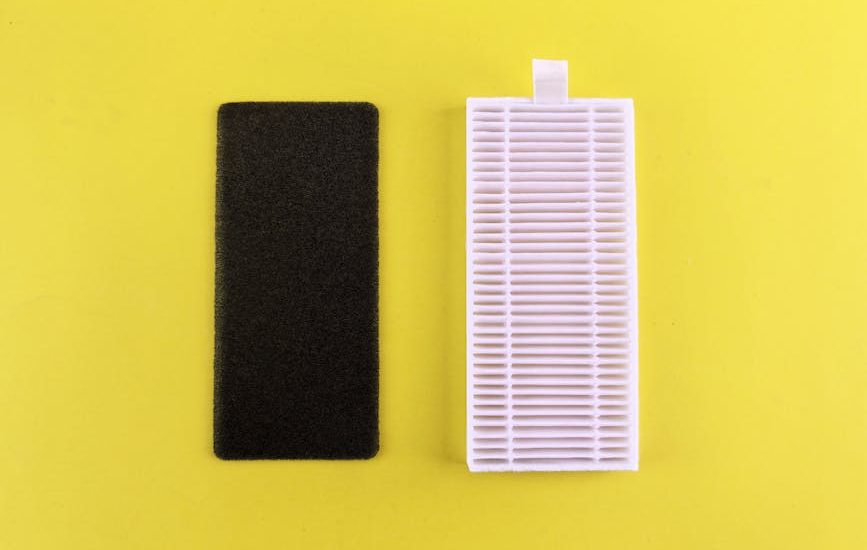
What I mean is—actually, let me put it differently: the air purifier business is just a subscription service for your house. You think you’re buying a machine, but you’re actually just signing up to pay $60 to $80 every six months for a piece of folded paper. I’ve noticed that brands like Blueair—which I personally dislike because their ‘HEPASilent’ tech is just a fancy way of saying ‘we use thinner filters so the fan can be quieter’—make their replacement filters so expensive that you might as well just buy a new machine. It’s predatory.
- Winix 5500-2: Great, but the ‘PlasmaWave’ feature smells like a lightning storm and gives me a headache. I leave it off.
- Blueair: Overpriced filters and the ‘silent’ gimmick isn’t worth the loss in actual filtration power.
- Honeywell: Built like a tank, but looks like something you’d find in a 1990s dentist’s office.
I might be wrong about this, but I honestly think the pre-filters on most of these machines don’t do anything for dust. They’re just there to make you feel like you’re ‘maintaining’ something when you vacuum them off once a month. The real work happens in the HEPA layer, and if that layer isn’t at least two inches thick, you’re just swirling dust around the room. I’ve owned eight different purifiers over the last five years, and the ones with the thinnest filters always have the highest PM2.5 readings on my monitor after an hour of running.
The $40 box fan trick
This is the part where I sound like a crazy person, but if you are broke and it’s wildfire season, go to Home Depot. Buy a 20-inch box fan and a high-rated furnace filter (MERV 13). Duct tape the filter to the back of the fan. It looks like a DIY disaster, but in my testing, this setup outperformed a $200 Blueair in terms of raw particle reduction over thirty minutes. It’s not pretty. It’s loud as hell. But it works. Sometimes the ‘best’ review is just telling you not to buy the product at all.
I still wake up some mornings, look at the dust motes dancing in the light from the window, and wonder if any of this actually matters. We’re all just trying to control an environment that’s fundamentally messy. I don’t know if I’ll ever feel like the air in my house is truly ‘clean,’ no matter how many white boxes I plug into the walls.
Buy the Coway. Skip the Dyson. Don’t overthink it.

Recent Comments