
DIY Natural Bug Repellents That Work on Summer Evenings
The mosquitoes don’t wait for you to be ready. Neither do the gnats. But five plant-based formulas — all made from ingredients found at most grocery stores — can hold them off through an evening in the garden without DEET, synthetic fragrance, or anything that melts plastic watch bands.
Why Certain Plants Actually Repel Insects
Insects navigate by chemistry. Mosquitoes detect the carbon dioxide you exhale and specific compounds on your skin — lactic acid, skin microbiome byproducts, body heat — then orient toward the source. Some plants evolved volatile organic compounds that either mask those signals or directly disrupt insect olfactory receptors, making it difficult for bugs to locate a target at all.
PMD (p-menthane-3,8-diol), derived from lemon eucalyptus, is the most rigorously tested of these compounds. The CDC includes it on its list of effective mosquito repellents alongside DEET and picaridin. Field trials show 95–100% repellency for the first two hours at appropriate concentrations. That is regulatory recognition based on efficacy data, not herbal marketing.
Citronella operates differently. Its active compounds, citronellal and geraniol, mask the chemical trail mosquitoes follow rather than directly repelling them outright. This is why citronella candles underperform: the masking effect disperses quickly in moving air. Applied directly to skin, a citronella oil formula works considerably better because the compound stays close to the source it is meant to obscure.
Lavender carries linalool, a terpene alcohol with documented repellent properties across multiple insect species. Peppermint contains pulegone and menthol, which deter ants, gnats, spiders, and aphids — and work especially well as a perimeter treatment rather than on skin.
What makes these compounds more than folk remedy is their mechanism. When citronellal contacts a mosquito’s antennae, it binds to ionotropic receptors that normally detect host odors, disrupting the signal entirely. Linalool does something similar — it doesn’t just smell unpleasant to insects, it actively interferes with their ability to orient toward you. At effective concentrations, these compounds aren’t merely masking your presence. They’re creating sensory static. None of them match DEET at 25–30% concentration for duration in high-density mosquito environments. But for a two-hour backyard dinner or an evening in the garden, these five formulas hold their own — and they smell considerably better.
Five Recipes Worth Making Before the Weekend
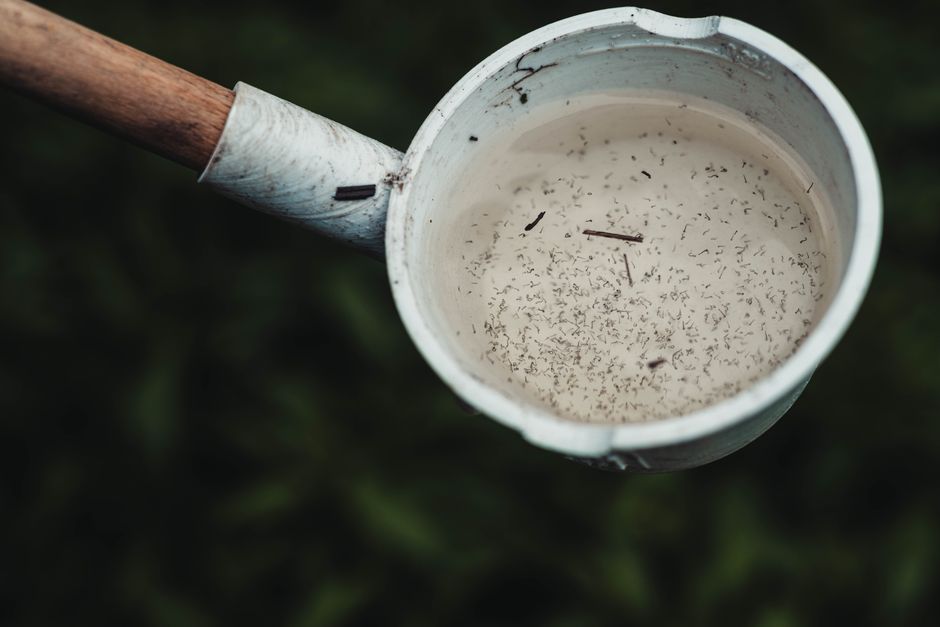
Dilution matters more than most people realize. Undiluted essential oils don’t repel insects more effectively — they cause skin irritation. Stay within the 2–5% concentration range for any skin application.
-
Citronella and Fractionated Coconut Oil Spray
Add 20 drops of Plant Therapy Citronella Essential Oil ($9.95 for 30ml) to 2 tablespoons of fractionated coconut oil and 4 ounces of distilled water in a small spray bottle. Shake before each use. Apply to exposed skin and reapply every 60–90 minutes. Fractionated coconut oil stays liquid year-round, absorbs without residue, and holds the active citronellal compounds against skin rather than letting them evaporate immediately — which is why this formula outperforms most citronella candles sitting ten feet away.
-
Lemon Eucalyptus and Witch Hazel Spritz
Combine 30 drops of Eden’s Garden Lemon Eucalyptus essential oil ($8 for 10ml) with 4 ounces of Thayers Alcohol-Free Witch Hazel (around $12 at most pharmacies). Skip the water entirely. Witch hazel disperses the oil evenly without the drying effect of plain alcohol, and it absorbs quickly. This is the strongest formula of the five. The PMD content puts it in a different category from the others — genuinely effective against mosquitoes, not mildly deterrent. Do not use on children under 3 years old.
-
Lavender and Aloe Vera Lotion
Blend 25 drops of NOW Solutions Lavender Oil ($10 for 30ml) into 4 tablespoons of pure aloe vera gel and stir until uniform. The aloe creates a thin film on skin that holds the linalool compounds longer than a water-based spray would. Apply to arms and legs before going outside. Best for gnat, midge, and moth pressure. Less useful against aggressive mosquitoes in high-density areas — reach for the lemon eucalyptus formula for those.
-
Peppermint Perimeter Spray
Mix 40 drops of peppermint essential oil with 16 ounces of water and 1 teaspoon of dish soap. The soap emulsifies the oil so it doesn’t bead off surfaces. Spray along the perimeter of your seating area — fence posts, garden borders, pot rims, stone edges. This is a space treatment, not a skin spray. Avoid applying directly to delicate foliage at this concentration. Reapply after rain.
-
Rosemary and Apple Cider Vinegar Garden Spray
Simmer 4 fresh rosemary sprigs in 2 cups of water for 30 minutes, cool completely, and strain. Combine the infused water with 2 cups of apple cider vinegar. Spray along garden borders, near compost bins, and around waste areas. Rosemary contains 1,8-cineole and camphor — both active insect deterrents with documented efficacy. The vinegar smell fades within minutes outdoors while the rosemary compounds remain active longer. Yard treatment only — not intended for skin.
Which Formula Targets Which Insect
A lavender lotion will not save you from a serious mosquito invasion. A citronella spray won’t touch an ant problem. Matching the repellent to your actual pest pressure is half the work.
| Formula | Mosquitoes | Gnats & Midges | Moths | Ants & Spiders | Application Type |
|---|---|---|---|---|---|
| Citronella & Coconut Oil Spray | Strong | Moderate | Weak | Weak | Skin |
| Lemon Eucalyptus & Witch Hazel | Very Strong | Strong | Moderate | Weak | Skin |
| Lavender & Aloe Vera Lotion | Weak | Strong | Strong | Weak | Skin |
| Peppermint Perimeter Spray | Moderate | Moderate | Moderate | Very Strong | Yard/Space |
| Rosemary & Apple Cider Vinegar | Weak | Moderate | Moderate | Strong | Yard/Space |
The most effective combination for a typical summer garden evening: lemon eucalyptus spritz on skin for mosquito protection, peppermint perimeter spray around the seating area for crawling insects and ants. Those two together cover the majority of summer evening pest pressure without redundancy.
What Actually Makes Natural Repellents Fail

The problem is almost never the formula. It’s the application.
Reapplication is the single biggest failure point. Natural repellents break down faster than synthetic ones — most need reapplication every 60–90 minutes, not every 4–6 hours like DEET. People apply once at the start of the evening and wonder why they’re getting bitten two hours in. Set a timer. One reapplication is usually all it takes.
The second failure is concentration. Adding extra essential oil drops doesn’t extend protection — it increases the risk of contact dermatitis and makes the formula smell harsh rather than pleasant. The recipes above are calibrated to the 2–5% range. Doubling the drops gets you skin irritation, not better results.
One more: if you’re in an area with active West Nile or dengue mosquito risk, don’t rely solely on DIY repellents. These formulas handle nuisance insects well on low-risk residential evenings. They are not a medical intervention.
The Timing Habit That Changes the Whole Evening
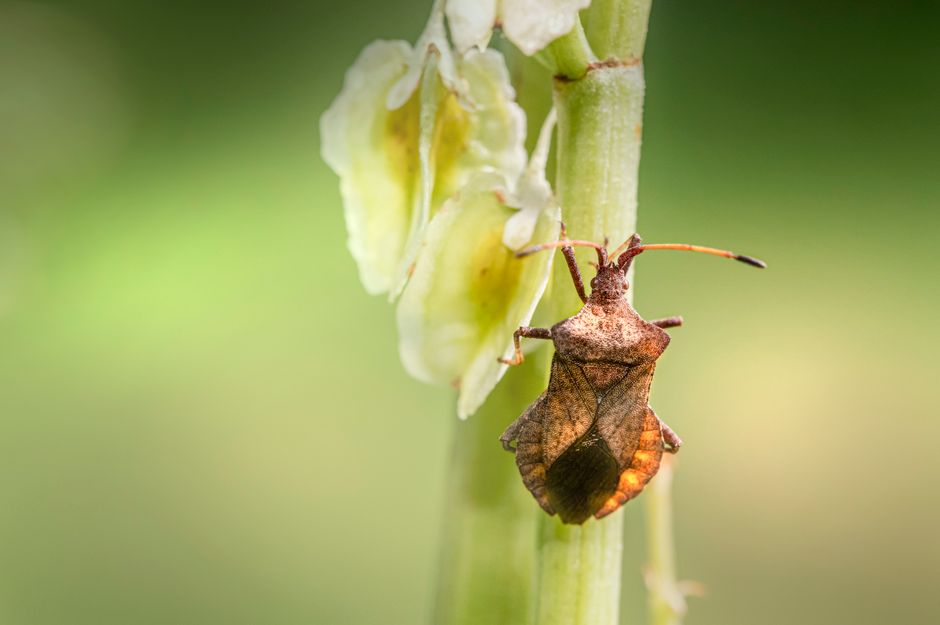
Apply the repellent before going outside, not after the first bite.
The compounds need two to three minutes to stabilize on skin and begin masking your chemical signature. Go outside immediately after spraying and you have lost that window. Spray, wait, then step out. That garden evening — the one the mosquitoes usually end early — becomes something you can actually stay in and finish.

Recent Comments