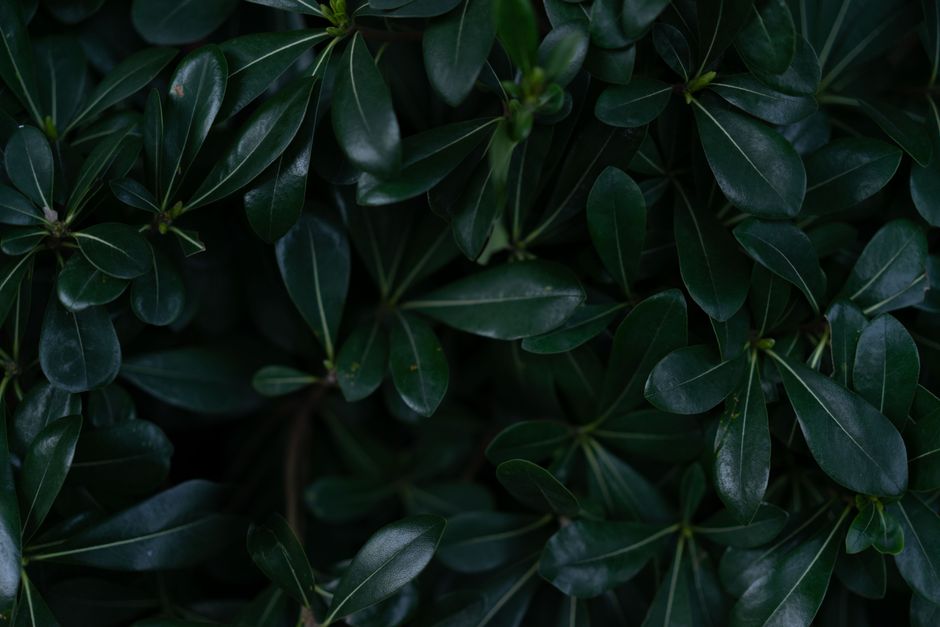
For the cleanest border line through a hard winter, choose Ilex crenata ‘Dark Green’. It keeps a tight shape, handles frost better than many box plants, and responds well to clipping. For formal beds, it is the strongest all-round choice. Boxwood still works in sheltered gardens, while euonymus, carex, and lavender suit looser or more informal planting schemes.
The best edging plant is not simply the one that stays green. It must keep its lower leaves, resist wind burn, recover from frozen soil, and stay small enough to frame a path without swallowing it. Spacing, drainage, and the final height matter just as much as the plant name.
Which evergreen edging plants hold their shape in frost?
Japanese holly is the best frost-ready choice for a crisp, low edge. It forms small leaves, branches densely from the base, and tolerates regular trimming. It also avoids some of the disease problems that have made boxwood less dependable in many gardens. The table below compares five reliable choices for a border that needs to look intentional from autumn into spring.
Best plants for a clipped or natural edge
| Plant | Typical mature height | Spacing | Frost performance | Typical 2026 retail price | Best use |
|---|---|---|---|---|---|
| Ilex crenata ‘Dark Green’ | 40–60 cm | 25–30 cm | Strong once established | £12–£22 for a 2-litre plant | Formal paths and kitchen gardens |
| Buxus sempervirens ‘Suffruticosa’ | 40–60 cm | 20–25 cm | Good in sheltered, well-drained soil | £15–£28 for a 2-litre plant | Low parterres and geometric beds |
| Euonymus fortunei ‘Emerald Gaiety’ | 30–50 cm | 30–40 cm | Very good, including exposed sites | £8–£15 for a 2-litre plant | Part shade and relaxed borders |
| Carex oshimensis ‘Evergold’ | 30–40 cm | 30–35 cm | Good, but foliage can flatten under snow | £8–£14 for a 1-litre plant | Soft edges and woodland-style beds |
| Lavandula angustifolia ‘Hidcote’ | 45–60 cm | 35–45 cm | Good in dry soil; poor in winter wet | £6–£12 for a 1-litre plant | Sunny paths and gravel gardens |
The clear winner for a sharp border
Pick Ilex crenata ‘Dark Green’ when the border needs to resemble a low hedge rather than a row of separate plants. Pick Euonymus fortunei ‘Emerald Gaiety’ for more difficult shade or an exposed garden. Lavender is the best choice beside a sunny path where scent and flowers matter more than a perfectly level winter outline. The trade-off is simple: the more formal the edge, the more closely you must match the plant to the soil.
Why frost breaks weak border lines
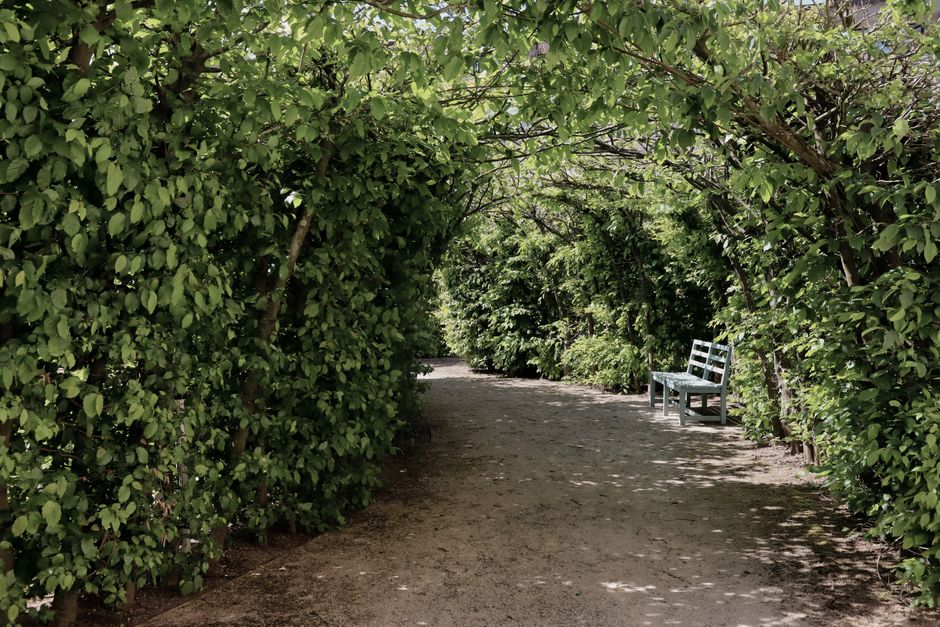
A border line fails in winter for three basic reasons: the plant loses its lower growth, the soil heaves around the roots, or cold wind dries the leaves faster than the roots can replace moisture. Frost is only part of the problem. Repeated freezing and thawing often causes more damage than one cold night because the ground expands, contracts, and loosens newly planted roots.
Cold damages leaves, roots, and shape in different ways
Evergreen leaves continue to lose water during winter. Sunny weather can warm the foliage while the soil remains frozen. That creates a water shortage inside the plant. Leaf edges turn brown, thin branches die back, and the lower part of the edging opens up. A plant may survive but still lose the dense line that made it useful.
Small plants with fibrous roots need special care during their first winter. Their root balls can freeze solid if they sit above the surrounding soil. Their crowns can also rot if mulch is piled tightly against the stems. Good edging plants need a stable root zone, not just a hardy label on the nursery pot.
Drainage matters more than a mild hardiness rating
Cold, wet soil is especially dangerous for plants such as lavender. Its leaves may stay green after a light frost, but the roots can fail in heavy clay that holds water for weeks. A slightly less hardy plant in free-draining soil often survives better than a supposedly tough plant in a saturated bed.
Before planting, dig a hole twice the width of the root ball and check how fast water leaves it. If water remains after several hours, raise the bed, add coarse organic matter, or choose a plant that tolerates moisture. This first-principles check prevents a common mistake: blaming frost for damage caused by poor drainage.
How to plant an evergreen edge that stays straight
Planting in a straight line is a small design task, but the measurements decide the result years later. A wandering row cannot be repaired easily once the plants knit together.
Use this five-step planting method
- Mark the finished line. Stretch a string between two stakes and place it at the front edge of the border. Measure from the path, not from an existing shrub that may already be out of position.
- Measure mature width. Divide the plant’s expected spread by two, then add 5–10 cm for air movement. For a plant expected to reach 30 cm wide, a 25–30 cm centre-to-centre spacing creates a firm edge without immediate crowding.
- Prepare one continuous trench. Dig 25–30 cm deep and loosen the soil across the full planting line. Individual holes encourage uneven height and make watering patchy.
- Set the root balls level with the ground. Do not bury the crown. Leave the top of the root ball flush with the surrounding soil, especially in heavy ground.
- Water slowly and mulch lightly. Give each plant a full watering after planting, then apply a 3–5 cm layer of composted bark or leaf mould. Keep mulch 5 cm away from every stem.
Trim for density, not instant height
Do not cut a new edge hard during its first cold season. Let the roots settle and remove only damaged or badly placed shoots. In the second growing season, trim lightly after the spring flush and again in late summer if needed. Keeping the top slightly narrower than the base lets light reach the lower branches, which helps the line stay full through winter.
Watering also needs a schedule. Newly planted edges need a deep soak once or twice a week during dry spells, even in autumn. Stop frequent shallow watering. It produces weak surface roots that suffer when frost reaches the upper soil.
What makes evergreen edging fail?

The biggest mistake is buying for leaf colour instead of site conditions. A plant can look perfect in a nursery pot and fail within one winter if the border is too wet, too windy, or too shaded.
Four mistakes to avoid
- Planting too tightly. A solid line on day one can become a damp, diseased strip by year three. Use mature width when calculating spacing.
- Choosing a tall shrub for a narrow path. If an edge grows above 80 cm, it starts to block sight lines and reduce usable path width. Use a genuinely low cultivar rather than planning to cut a large shrub down forever.
- Clipping during freezing weather. Fresh cuts expose tender tissue. Wait for a mild, dry period in spring or late summer.
- Ignoring winter sun. South-facing walls and pale paving reflect heat and light onto foliage. Water well before the soil freezes and use temporary fleece if a newly planted row faces severe drying wind.
When not to buy an evergreen edge
Do not buy an evergreen line if the border is meant to change with the seasons. A mixed edge of grasses, bulbs, and deciduous perennials can look better and provide more habitat. Also avoid a formal clipped row where maintenance is unlikely. A natural planting scheme hides uneven growth; a straight evergreen edge displays every missed trim and dead patch.
Skip lavender in a damp clay border, skip low carex in a hot exposed strip, and skip boxwood where repeated disease treatment would become a burden. The right alternative is often a smaller planting change, not a more expensive plant.
Which evergreen edging plant fits each border problem?
Which plant is best for a formal path?
Choose Ilex crenata ‘Dark Green’. It has the closest visual effect to a neat box edge, but it handles frost and box-related disease pressure better in many gardens. Plant at 25–30 cm centres and clip after the main spring growth. It is the best choice when the border line must look deliberate beside paving, gravel, or clipped lawn.
Which plant is best for a shady or exposed border?
Choose Euonymus fortunei ‘Emerald Gaiety’. Its variegated leaves brighten part shade, and its low, spreading habit copes with wind better than many soft-leaved edging plants. It will not give the same precise geometric finish as Japanese holly, so use it where a slightly relaxed line suits the planting.
Which plant is best for a sunny, dry edge?
Choose Lavandula angustifolia ‘Hidcote’ if the soil drains quickly. It gives fragrant foliage, purple flowers, and a strong summer outline, but it should not be treated as a wet-soil plant. For a softer green edge in partial shade, Carex oshimensis ‘Evergold’ is the better pick. For sheltered formal beds, Buxus sempervirens ‘Suffruticosa’ remains useful, but only where drainage and regular inspection are realistic.
The opening choice still stands: Ilex crenata ‘Dark Green’ is the safest all-round answer when a border must keep its line through frost. Match it to free-draining soil, give each plant enough room, and the path will still have a clear green frame when flowers have disappeared and winter has taken over the garden.