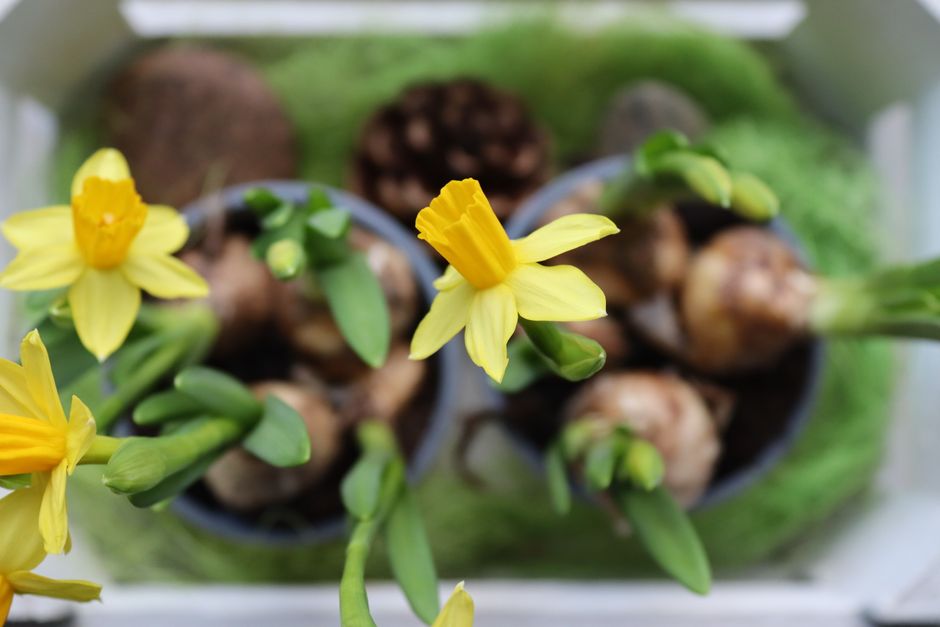
The flowers have faded, and the leaves are flopping across the border in untidy yellow-green clumps. It looks like the display has finished, but the bulb is still working below the soil.
The best aftercare is simple: remove spent flowers, keep the foliage intact while it is green, then let it die back naturally before clearing the bed.
When Can You Cut Back Yellow Bulb Foliage?
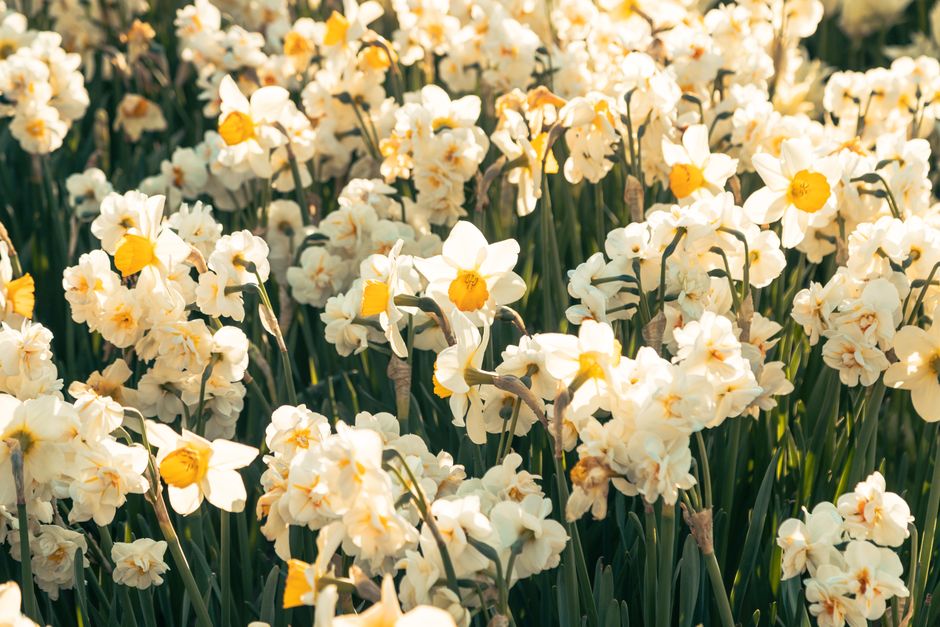
Use the six-week rule as a starting point
- Deadhead first. Remove faded flowers before they form seeds. Cut the flower stem near its base, but leave the leaves untouched.
- Wait while the leaves are green. Give the foliage at least six weeks after flowering, and longer if the leaves still look vigorous.
- Check the colour. Cut foliage only when most of it has turned yellow, straw-coloured or brown.
- Test the texture. The leaves should pull away easily or feel dry and limp. If they are still flexible and green at the base, leave them alone.
- Clear gently. Use clean secateurs and cut close to the soil. Do not yank leaves from bulbs that resist.
Do not braid, knot or hide the leaves
Braiding daffodil leaves looks tidy, but it folds and shades the foliage. That reduces the surface available for photosynthesis. Tucking the leaves under nearby plants causes the same problem. Let them fall naturally, or use a few loose plant supports if they are blocking a path.
Move the mess with surrounding planting
The cleanest solution is often better planting rather than earlier cutting. Hardy geraniums, hostas and low grasses can hide fading bulb leaves while still allowing sunlight through. This approach protects the bulb and keeps the border presentable without forcing a premature tidy-up.
My clear rule is this: yellow and dry can be cut; green and flexible must stay. One extra week of foliage is safer than one early cut.
Should You Feed and Water Bulbs After They Flower?
The timing matters more than the brand
| Bulb stage | Watering | Feeding | Best action |
|---|---|---|---|
| Flowering | Water when the top 5cm of soil feels dry | Use a balanced or bulb feed if growth is weak | Remove faded flowers |
| Green foliage | Keep soil lightly moist during dry spells | Apply one light feed around the foliage | Protect the leaves |
| Yellow foliage | Reduce watering unless the soil is very dry | Do not keep adding fertiliser | Allow natural dieback |
| Fully dormant | Usually no extra water in open ground | No feed needed | Clear debris and check drainage |
Feed once while the leaves are still green if the soil is poor or the bulbs have produced weak flowers. Scatter granules around the plants, not into the centre of the foliage, and water them in. Once the leaves have turned yellow, extra fertiliser will not restore them. The bulb has already moved into its resting phase.
Useful products, and the limits of each one
For a general border, Vitax Q4 Fertiliser in a 1.5kg pack, usually around £8, is a practical granular option. It supplies a broad mix of nutrients and works best when applied once during active growth. Westland Gro-Sure Bone Meal, commonly sold in a 1.5kg pack for about £7, suits new bulb planting more than late summer rescue work. Do not scatter bone meal every year without a reason; soil can already contain enough phosphorus.
Miracle-Gro All Purpose Plant Food, 1kg concentrate and often around £7, is easy to find, but it is not my first choice for fading bulbs. It can push leafy growth when the plant is preparing to rest. For established spring bulbs, a single modest feed and steady moisture are better than repeated liquid applications.
Water only when the soil needs it
Open-ground bulbs rarely need daily watering after flowering. Check the soil 5cm below the surface. If it feels cool and slightly damp, leave it. If it is dusty and dry during a long spring drought, water deeply around the root zone once a week rather than sprinkling the leaves every evening.
Containers dry out faster. Check them every few days, especially on sunny walls. Good drainage matters more than constant moisture. Wet compost around dormant bulbs is a common route to rot.
Daffodils, Tulips and Alliums Need Different Aftercare
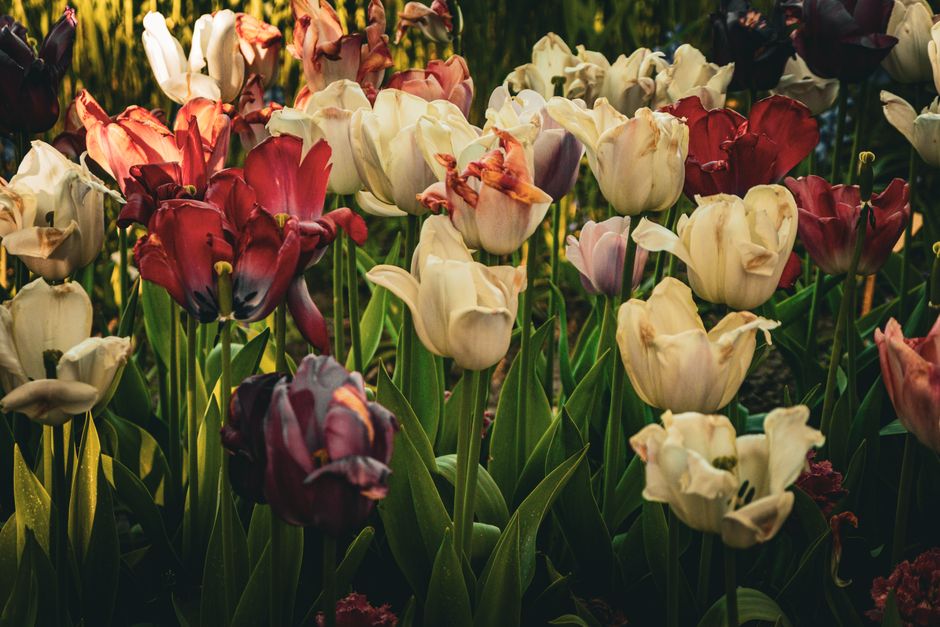
All spring bulbs follow the same basic cycle, but they do not all reward the same treatment. Daffodils are dependable perennial bulbs. Many tulips perform best when replanted or lifted on a planned schedule. Alliums often give the border a second season of interest through their seed heads.
| Bulb | Foliage timing | Aftercare choice | Clear verdict |
|---|---|---|---|
| Daffodil | Often green for 4–8 weeks | Leave in place and let foliage fade | Best for reliable naturalising |
| Tulip | Often fades within 4–6 weeks | Deadhead; lift selected varieties after dieback | Best lifted in heavy or wet soil |
| Allium | Leaves fade while seed heads remain | Leave seed heads for structure, cut leaves when dry | Best for late-season border shape |
| Hyacinth | Foliage may yellow quickly after bloom | Keep leaves until yellow; reduce watering in pots | Best treated as a short display in containers |
Daffodils need patience
Daffodils usually improve when left undisturbed. Let the leaves yellow naturally, then remove them. If a clump produces plenty of leaves but fewer flowers, overcrowding may be the cause. Lift and divide the bulbs after the foliage has died back, separate firm offsets and replant them at roughly two to three times their height.
Tulips need a firmer decision
Species tulips and some perennial varieties can return for years. Large hybrid tulips often give their strongest display in the first season. In heavy clay or wet winter soil, lifting the bulbs after the foliage has fully died back gives them a better chance. Dry them in a shaded, airy place and replant healthy bulbs in autumn.
Alliums can stay attractive after the leaves fade
Allium seed heads provide useful structure, so there is no need to remove them as soon as flowering ends. Cut the leaves when they are fully dry, and leave the seed heads until they collapse or become part of the winter design. This is the easiest bulb group for a relaxed, wildlife-friendly border.
What Should You Do With Bulbs in Containers?
My recommendation is to move fading pots out of the main display, not to cut the leaves early. A container can look finished while the bulbs inside still need several weeks to recharge.
A practical container routine
- Deadhead the flowers as soon as they fade.
- Move the pot to a bright, sheltered spot where the leaves can receive sunlight.
- Water when the top 3cm of compost dries, but never leave the pot standing in water.
- Feed once with a mild bulb or balanced fertiliser while the leaves remain green.
- Wait until the foliage is yellow and dry before cutting it back.
- Reduce watering sharply after dieback and store the pot somewhere cool, dry and protected from heavy rain.
Containers need more attention than borders because their small volume of compost swings from saturated to bone dry. A 30cm pot can hold a useful group of daffodils, but the same number of tulips may need more space and sharper drainage. Raise the pot on feet so excess water can escape.
Tools that make the job cleaner
A Felco 2 bypass secateur is 21.5cm long, weighs about 240g and usually costs £55–£65. It is more tool than most bulb pots require, but the replaceable blade and clean cut make it a strong long-term choice. The Burgon & Ball RHS Endorsed Bypass Secateurs are about 20cm long and usually cost £25–£30, making them the better value pick for occasional deadheading and foliage removal.
Neither tool solves poor drainage or early cutting. Sharp blades simply reduce crushed stems and make the final clear-up easier. Wipe the blades between pots if one plant shows signs of rot.
Spring Bulb Aftercare Mistakes That Ruin Next Year’s Display
Can I cut the leaves as soon as the flowers fade?
No. The bulb still needs the leaves to make and store energy. Cut flowers and seed heads if you want, but leave green foliage in place until it has turned yellow and loosened naturally.
Should I tie daffodil leaves into knots?
No. Tied leaves receive less light and may trap dampness. Let them flop, support them loosely, or hide them with later-emerging perennials.
Do bulbs need fertiliser after the leaves turn yellow?
No. A light feed during green growth can help poor soil, but fertiliser after full yellowing rarely improves the dormant bulb. Test drainage and planting depth before buying another product.
Should every tulip bulb be lifted?
No. Lift tulips in heavy, wet soil or when you want to protect a carefully chosen display. Leave reliable perennial varieties in place. Replace weak, short-lived hybrids instead of spending a season nursing bulbs that no longer perform.
What is the biggest mistake?
The biggest mistake is treating neatness as a sign of good aftercare. Spring bulbs need a quiet transition from flowering to dormancy. Give them light, sensible moisture and time, then clear the bed when the leaves have finished their work.
That small shift in timing produces stronger clumps, better flowering and fewer replacement jobs. As spring bulb planting becomes more naturalistic, fading foliage will become part of a designed garden rhythm rather than a problem to hide.