Can you sow edible flowers in April and still pick enough blooms for summer salads? Yes, but only if you choose fast annuals, sow in more than one batch, and keep the flowers away from treated plants. A packet scattered once in cold, wet soil can produce a thin display just when you want colour on the plate. The better plan is a small mix of flowers with different sowing speeds, a second sowing three weeks later, and a clear harvest rule: eat flowers you can identify and grow without pesticides.
This is a garden article, not a credit comparison, but the money test still matters. Most packets cost less than £4, seed-only delivery can add £2.95, and there is no APR because you are buying seeds rather than borrowing money. The best value comes from varieties that flower for weeks, tolerate beginner mistakes, and produce both colour and flavour.
Which edible flowers give the fastest summer harvest?
The table below ranks common choices by speed, space, and eating quality. The verdict is simple: use nasturtium for the earliest useful crop, calendula for repeat picking, and cornflower for colour rather than strong flavour.
| Flower | April sowing depth | First flowers | Spacing | Salad use |
|---|---|---|---|---|
| Nasturtium | 1.5cm | June to July | 20 to 30cm | Peppery petals, leaves, and young pods |
| Calendula | 0.5cm | June to July | 23cm | Mild petals that add yellow or orange colour |
| Cornflower | 0.5cm | June to August | 20 to 30cm | Light flavour and blue petals |
| Borage | 1.5cm | June onward | 45cm | Cucumber-like taste; use young flowers |
| Viola | 0.5cm | June onward | 15 to 20cm | Sweet, mild petals for finishing salads |
| Chive blossom | 1cm | May to July | 20cm | Onion flavour; separate into small florets |
These dates are estimates, not guarantees. A cold April, dry seedbed, or slug damage can add two or three weeks. Harvest the flowers when they are open but still fresh. Pick in the morning after the dew has dried, remove the bitter green base, and rinse gently only when needed. Wet petals stored in a sealed box turn limp quickly.
How should you sow edible flowers in April?
Use a shallow, labelled sowing rather than scattering a whole packet. Small control points make the difference between a bowl of usable flowers and a patch of crowded stems.
- Choose the site. Pick a place with at least six hours of sun, free-draining soil, and no recent spray treatment. A raised bed, vegetable border, or 30cm container works well.
- Prepare the seedbed. Remove weeds and stones, rake the surface fine, then water before sowing. A moist bed keeps tiny seeds from being washed into corners.
- Follow the depth. Cover calendula and cornflower with about 0.5cm of soil. Plant nasturtium and borage around 1.5cm deep. Seed planted too deeply often rots before it reaches the surface.
- Mark each row. Use labels with the flower name and sowing date. This prevents accidental harvesting of an ornamental plant that only looks similar.
- Thin early. Once seedlings show two or three true leaves, remove the weakest plants. Crowded stems produce smaller flowers and create damp conditions that invite mildew.
- Sow again. Repeat a short row after two or three weeks. Succession sowing gives you fresh plants when the first batch becomes tired.
- Water at the base. Give new seedlings a thorough drink, then let the surface dry slightly before watering again. Constantly wet compost encourages root problems.
- Harvest lightly at first. Leave enough flowers for the plant to keep growing and for pollinators to find food. Once the plants are established, pick several times a week.
Do not add rich manure just because the plants look small. Excess nitrogen can produce large leaves and fewer flowers, especially in nasturtiums. The practical target is steady growth, not maximum foliage. If the bed is poor, mix in a modest amount of garden compost before sowing and stop there.
Which seed packets are worth buying for a small salad garden?
My pick is a simple two-packet combination: Fothergill’s Nasturtium Summer Carousel plus a calendula variety. Nasturtium gives you the strongest flavour and the quickest visual payoff. Calendula adds a gentler taste and is more forgiving when April stays cool. Buying a large mixed flower collection looks economical, but many packets contain flowers that are decorative rather than edible, so the cost per useful crop can be worse.
For spring 2026 planning, Fothergill’s Nasturtium Summer Carousel listed 25 seeds at £3.79. The packet gives outdoor sowing guidance for April to June, at about 1.5cm deep and 20cm apart, with flowers expected from June to October in suitable conditions. That is the best named choice here for a container or narrow border because the sowing window is long and the flowers keep appearing through summer.
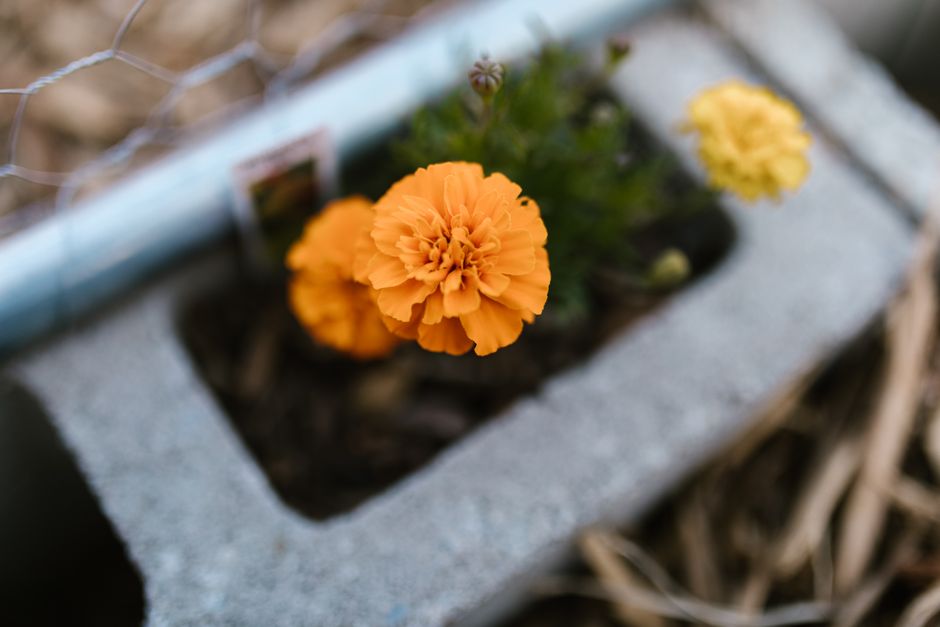
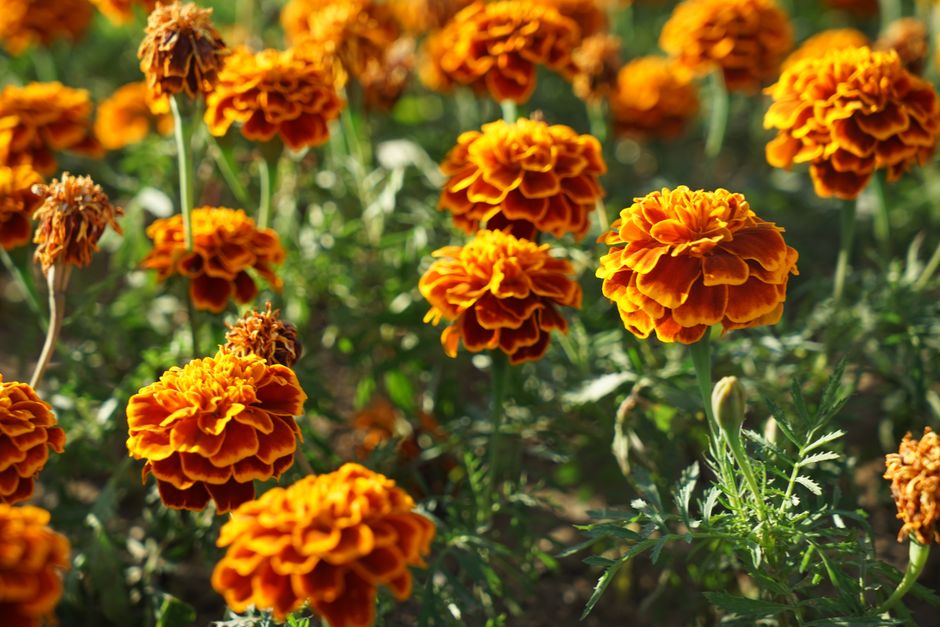
Fothergill’s Calendula Art Shades was listed at £3.19, while Calendula Indian Prince was listed at £3.14. Calendula seed is normally sown around 0.5cm deep and thinned to roughly 23cm apart. Choose Art Shades for mixed orange and bronze colours. Choose Indian Prince when you want dark red centres and stronger contrast against green leaves. Neither gives the peppery kick of nasturtium, so the verdict is to grow both rather than expect one flower to do every job.
Fothergill’s Nasturtium Jewel Mixed was listed at £3.49 and is a useful alternative for pots because the flowers come in several bright shades. It is not a better food crop than Summer Carousel, but it wins if appearance matters as much as taste. The packet price is low, yet delivery changes the maths: the listed seed-only delivery fee was £2.95. Buying one £3.14 packet online can therefore cost more than buying two or three packets together.
There is no need to buy a specialist edible-flower kit. The useful features are an accurate variety name, clear sowing instructions, a recent seed date, and a supplier that explains how the plant grows. Ignore claims about premium germination unless the packet gives practical information. A £3.14 packet with a clear depth and spacing guide beats a £12 gift box filled with unknown flowers.
Do edible flowers need special soil, feeding, or containers?
Can they grow in ordinary garden soil?
Yes. Most April-sown edible flowers prefer ordinary soil that drains well. Digging deeply and removing weeds matters more than buying a specialist compost. Add a thin layer of mature compost to poor soil, but avoid heavily fertilised beds that push leaves instead of flowers.
Can you grow them in pots?
Yes, and pots can be safer because you control the soil and avoid spray drift. Use a container at least 30cm wide for nasturtiums or calendula, with drainage holes and a peat-free multipurpose compost. Borage needs a deeper, heavier container because it becomes large and top-heavy. A 30cm pot can support one borage plant, not a crowded group.
Do they need plant food?
Usually not during the first few weeks. If plants are growing slowly after six weeks, use a weak general-purpose feed according to the label. Stop high-nitrogen feeding once the plants are flowering. For the best salad supply, consistent watering and regular picking beat expensive fertiliser.
What is the best setup for a small garden?
Use one 30cm container for nasturtium, one shallow trough for calendula and cornflower, and a short row of chives near the kitchen door. That layout keeps harvesting easy and separates edible plants from ornamental flowers. The verdict is clear: containers are the better choice when soil history or pesticide use is uncertain.
What will an April edible-flower patch cost?
A useful budget is smaller than most gardening projects, but delivery can distort the total. The figures below use listed spring 2026 prices as a planning guide; seed prices can change and stock can sell out.
| Purchase | Listed price | What it covers | Value verdict |
|---|---|---|---|
| Nasturtium Summer Carousel, 25 seeds | £3.79 | One container or short border row | Best first buy for peppery flowers |
| Calendula Art Shades | £3.19 | Colourful repeat picking through summer | Best second packet |
| Calendula Indian Prince | £3.14 | Dark-centred flowers for contrast | Good low-cost alternative |
| Nasturtium Jewel Mixed | £3.49 | Mixed colours for pots and borders | Buy for looks, not stronger flavour |
| Seed-only delivery | £2.95 | One online order | Combine packets to reduce the fee per variety |
One packet plus delivery can cost £6.74. Two packets cost about £9.93 delivered, or roughly £4.97 per packet. Three cost about £13.93, or roughly £4.64 per packet.
Do not buy a £19.99 beginner flower collection just to obtain one edible variety unless you also want the ornamental flowers inside it. For a salad-focused garden, two named packets and a second sowing are the better allocation of money. Sow nasturtium and calendula in April, add cornflower or chive blossom if space allows, and keep every edible plant clearly labelled.
The single most important takeaway is this: sow nasturtium and calendula in two April batches, grow them without chemicals, and harvest only flowers you can identify with complete confidence.