Stasher Vs Bumkins Reusable Bags: Stasher vs. Bumkins Reusable Bags: Which Keeps Food Fresh Longer
The average American household wastes roughly $1,500 in food every year, and most of that loss traces back to a single failure point: the seal. Not the fridge temperature. Not how the food was cooked. The seal on the bag holding leftovers overnight.
Stasher and Bumkins are the two brands that come up most consistently when people move away from single-use plastic bags. Both are marketed as eco-friendly, food-safe, and long-lasting. But they work differently, seal differently, and fail differently — and understanding which one fits your actual kitchen routine can mean produce that lasts a week versus produce that wilts by Tuesday.
How Airtight Seals Slow Spoilage (And Why Most Bags Fail Before the Food Does)
Food spoilage is, in most cases, an oxygen and moisture problem. When cut fruit sits exposed to air, enzymatic browning begins within minutes. Leafy greens wilt because moisture escapes through any available gap. Cooked proteins develop off-odors as bacteria multiply in the presence of oxygen. A bag that maintains a consistent, pressure-resistant seal slows all of these processes considerably.
Reusable bags generally fall into two categories: silicone compression seals and mechanical zip closures. Silicone seals create pressure through the material’s natural grip — two silicone surfaces pressed together form a low-oxygen environment without any mechanical locking component. Mechanical zip closures use interlocking plastic or silicone tracks, similar in concept to a standard resealable bag but built for repeated use.
What Silicone Compression Actually Does
Stasher uses what they call a “pinch-loc” closure — two ridged silicone strips that press together along the bag’s top edge. When sealed correctly, this closure typically achieves a near-airtight environment. The silicone’s natural tackiness helps maintain grip even as internal pressure shifts slightly in the freezer, where air contracts as temperatures drop.
Platinum silicone — the specific material Stasher uses — is non-porous. It doesn’t absorb odors or harbor bacteria the way some plastics can over time. This is a genuine advantage for anything with strong aromatics: garlic, onion, raw fish. Evidence from extended user testing generally shows Stasher bags maintaining seal integrity through several hundred wash cycles without the seal material degrading noticeably.
What Mechanical Zip Closures Do Differently
Bumkins bags use a zip closure familiar to anyone who’s handled a standard resealable bag. The bag body is PEVA — polyethylene vinyl acetate — a softer, more flexible film that’s PVC-free and broadly considered food-safe. The zip track on Bumkins bags is firm and produces a tactile click when fully closed, which makes it easier to confirm the bag is actually sealed. That confirmation matters in practice, especially when children are packing their own lunches.
Where mechanical closures can struggle: the zip track itself wears with repeated use. The interlocking ridges can lose precision after several hundred wash cycles, reducing seal reliability over time. The PEVA film can also develop micro-abrasions that affect very long-term storage — though for short-term fridge use of a day or two, this is generally irrelevant.
Stasher vs. Bumkins: Full Specifications Side by Side
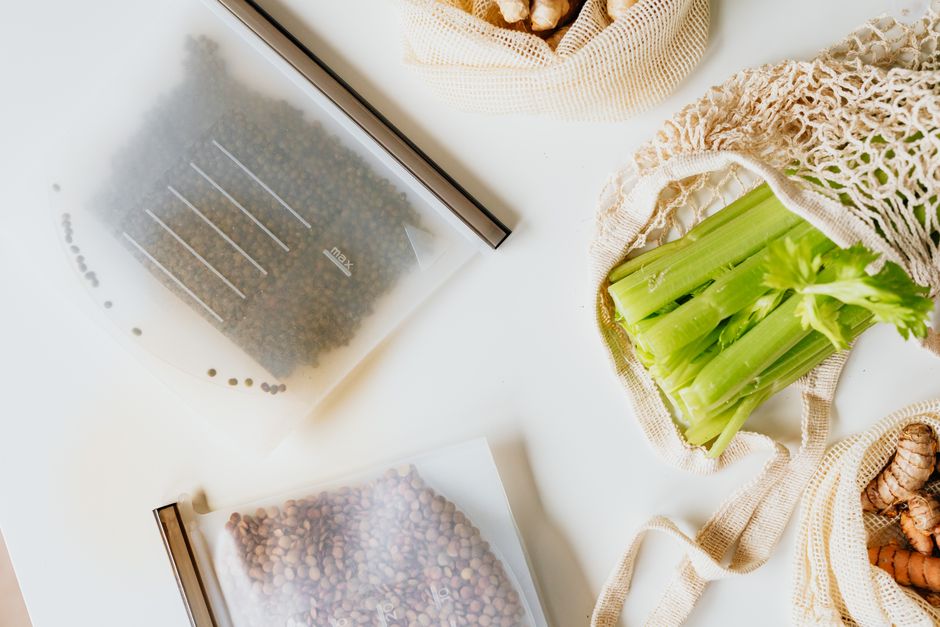
Here’s how both brands compare across the specifications that directly affect freshness, durability, and daily usability.
| Feature | Stasher Bag | Bumkins Reusable Bag |
|---|---|---|
| Material | Platinum silicone | PEVA film |
| Seal type | Pinch-loc silicone compression | Zip closure (interlocking track) |
| Oven / sous vide safe | Yes, up to 400°F (204°C) | No |
| Dishwasher safe | Yes, all racks | Yes, top rack recommended |
| Freezer safe | Yes, long-term | Yes, short-to-medium term |
| Odor absorption | Very low (non-porous) | Moderate over extended use |
| Stain resistance | Moderate (turmeric, berries stain) | Lower |
| Price per bag | $11–$20 (snack to half-gallon) | $7–$12 (snack to gallon) |
| Estimated lifespan | 3,000+ uses (manufacturer claim) | Typically 500–1,000 uses |
| Best use case | Cooking, long-term freezing, strong odors | Daily lunches, snacks, travel |
A note on lifespan figures: manufacturer claims should generally be read as upper bounds under ideal conditions. Frequent dishwashing, contact with acidic foods, and mechanical stress from overfilling will typically reduce these numbers in real-world use. Stasher bags hold up better to heavy use, but at 1.5–2x the cost, the value depends on how often the bags actually get used.
Also worth noting: the price gap narrows when you factor in Stasher’s documented durability advantage. A single Stasher sandwich bag at $14 that survives three years of daily use costs less per use than three Bumkins bags at $9 each replaced annually. The math doesn’t always favor the cheaper bag.
Where Stasher Earns Its Price Premium
Stasher bags cost more upfront. A Stasher sandwich bag runs about $14; a comparable Bumkins zip bag is closer to $8–$9. That’s a meaningful difference. But there are specific use cases where Stasher genuinely outperforms Bumkins — and those cases are worth knowing before you buy.
Sous Vide Cooking and Heat Exposure
Because Stasher silicone handles temperatures up to 400°F, these bags are the only option if you want to marinate directly in the bag and then place it in a sous vide bath or boiling water. Bumkins PEVA bags are not designed for heat exposure. Using a PEVA bag in a sous vide setup risks material breakdown and potential leaching — this is not a rare edge case, it’s a common mistake that damages both the bag and the food. For home cooks who sous vide regularly, the Stasher Half-Gallon Stand-Up Bag ($17–$20) is one of the few genuinely food-safe options in this format.
Long-Term Freezer Storage Beyond Two Weeks
Silicone maintains flexibility at sub-zero temperatures better than most plastic films. When a bag material becomes brittle in the freezer, micro-cracks can form that compromise the seal — this is a known performance issue with some PEVA bags under extended freezer conditions. Stasher bags stay pliable and generally maintain seal integrity through months of freezer storage.
For short freezer runs — freezing soup for the coming week — the difference is largely negligible. But for anyone batch-cooking and freezing portions for a month or more, the Stasher half-gallon format typically outperforms PEVA alternatives on seal consistency over that extended timeline.
Strong-Smelling Foods
Non-porous platinum silicone doesn’t absorb flavors or odors. After storing garlic in a Stasher bag and washing it thoroughly, the bag comes out odor-neutral. PEVA bags, in most cases, will retain some residual odor after storing pungent foods — not harmful, but noticeable. For anyone regularly storing fish, fermented foods, or aged cheese, this is a practical advantage that compounds over time.
When Bumkins Is the Better Choice
For school lunches, daily snacks, and anything that doesn’t require heat tolerance or long-term freezer storage, Bumkins does the job at a lower cost — with one advantage Stasher doesn’t match: the zip closure is far easier to confirm as fully sealed, which matters considerably when children are packing their own bags. The Bumkins Reusable Sandwich Bag ($8–$10) is a practical, durable daily-use option that doesn’t need to be a long-term investment to justify its price.
Five Freshness Mistakes That Make Both Bags Fail
Neither brand compensates for these errors. These are the most common reasons reusable bags fail at their primary job, regardless of which brand you buy.
- Sealing warm food. Hot or warm food inside any sealed bag traps steam. That steam condenses and creates internal moisture that accelerates spoilage faster than leaving food uncovered. Let food cool to room temperature first — this applies equally to Stasher and Bumkins.
- Overfilling past the seal line. Both bags have a maximum fill level for a reason. When food sits at or above the closure point, the seal can’t create proper compression. This is the most common cause of bags that “seem sealed” but aren’t.
- Rinsing without soap after oily or acidic foods. Water alone doesn’t remove fat residue or acid from citrus or tomatoes. Residue buildup affects both seal quality and odor absorption over time, particularly in PEVA bags. Wash with dish soap after every use, or run through the dishwasher.
- Partially sealing the Stasher pinch-loc. The silicone seal needs to be pressed along its entire length — not just the center. An unsealed edge is invisible but allows oxygen in. Run a finger along the full seal length before refrigerating.
- Expecting either bag to revive already-declining produce. Reusable bags slow spoilage; they don’t reverse it. Produce that’s already soft or losing color won’t last meaningfully longer in a Stasher than in a conventional bag. The seal advantage is most significant for food that’s fresh at the time of storage.
Note: results vary based on food type, storage temperature, and how consistently the bag is sealed and cleaned. These are general patterns observed across typical use — individual experience will differ.
The Verdict: Which Bag for Which Kitchen
If you cook from scratch, sous vide, or freeze in batches — buy Stasher
The Stasher Half-Gallon Stand-Up Bag ($17–$20) is the clear choice for heat exposure and extended storage. If you’re doing sous vide, marinating proteins in the bag, or freezing soups and stews for more than two weeks at a time, the silicone construction and heat tolerance justify the cost. It’s a long-term kitchen investment, not a disposable swap.
If you’re packing lunches or snacks daily — buy Bumkins
The Bumkins Reusable Sandwich Bag ($8–$10) is well-suited for the 24–48 hour freshness window of daily lunch packing. The zip closure is easy to confirm, cleans quickly, and at this price point, having several in rotation is practical in a way a $20-per-bag investment simply isn’t for everyday snack use.
Is there a third option worth considering?
Yes. (re)zip by LUMI makes silicone bags with a zip-style closure, priced between the two at $9–$15. They attempt to combine silicone’s odor resistance with the intuitive seal confirmation of a zip track. For anyone who wants silicone performance but finds the Stasher pinch-loc fiddly or difficult to confirm, (re)zip bags are a legitimate alternative worth examining before committing to either of the main two brands.
The bag that keeps food fresh is the one you seal correctly, every time — a $9 bag closed with full attention outperforms a $20 bag pressed halfway.

Recent Comments