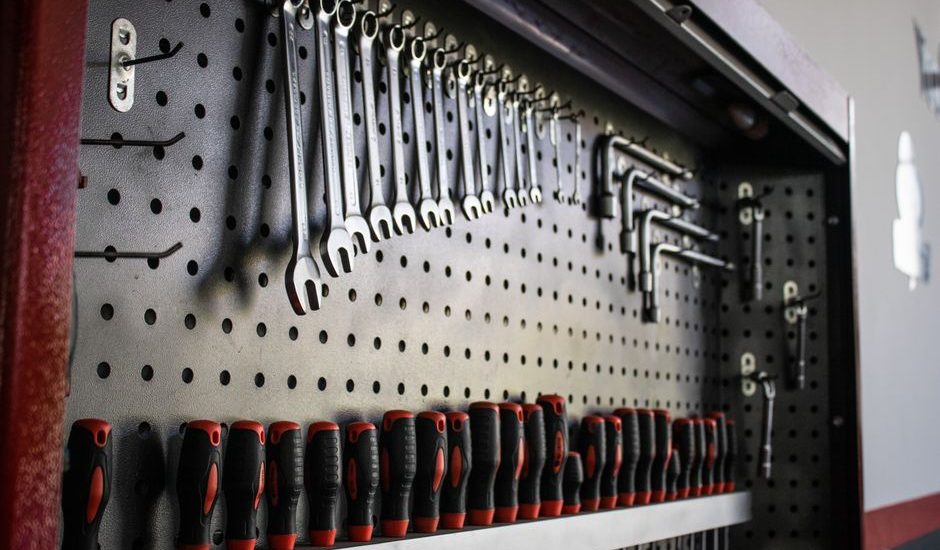
Garage Organization And Shelving: Garage Organization That Actually Stays Organized: My Shelving Mistakes
I’ve organized four garages over the past decade — mine, my brother’s, a friend’s, and my current workshop. I’ve also wasted roughly $800 on shelving systems that collapsed, rusted, or just didn’t fit what I actually owned.
The biggest mistake? Thinking any shelf is better than no shelf. It’s not. Bad shelving creates more clutter than it solves because you just shove things onto it and forget they exist.
Here’s what I learned the hard way, broken down by what actually works.
The Weight Problem: Why Most Home Center Shelves Fail Within a Year
Walk into any Home Depot or Lowe’s and you’ll see rows of wire shelving for $40-$80. They look fine. They’re not.
I bought a set of Rubbermaid wire shelves for $65. Looked great for three months. Then I loaded them with paint cans, toolboxes, and a miter saw. The brackets bent. The wire sagged. One corner bracket actually snapped — dumped $200 worth of tools onto the concrete floor.
The problem is weight ratings are measured at perfect distribution — not real-world loading where you stack heavy boxes on one side.
Here’s what I’ve found actually holds up:
- Gorilla Racks 2000 Series ($180 for 4-shelf unit, 72″ x 48″ x 18″). Rated for 2000 lbs per unit. I’ve had one loaded with 30+ bags of concrete mix, lumber, and a floor jack for two years. Zero sag. The bolts are thick, the cross-bracing is actual steel, not stamped tin.
- Husky 72″ Heavy Duty Shelving ($199 at Home Depot). Similar rating, slightly thinner steel than the Gorilla Racks. Fine for most people. I’d pick Gorilla Racks if you’re storing engine blocks or bags of salt.
- Edsal Muscle Racks ($150-$220 depending on size). Also solid. The black powder coat chips easier than the Husky gray, but structurally identical.
My verdict: If you’re storing anything heavier than empty boxes, skip wire shelves entirely. Pay the extra $100 for a steel unit. It’ll last 15 years instead of 15 months.
The Layout Rule That Changed Everything (No Product Mention)
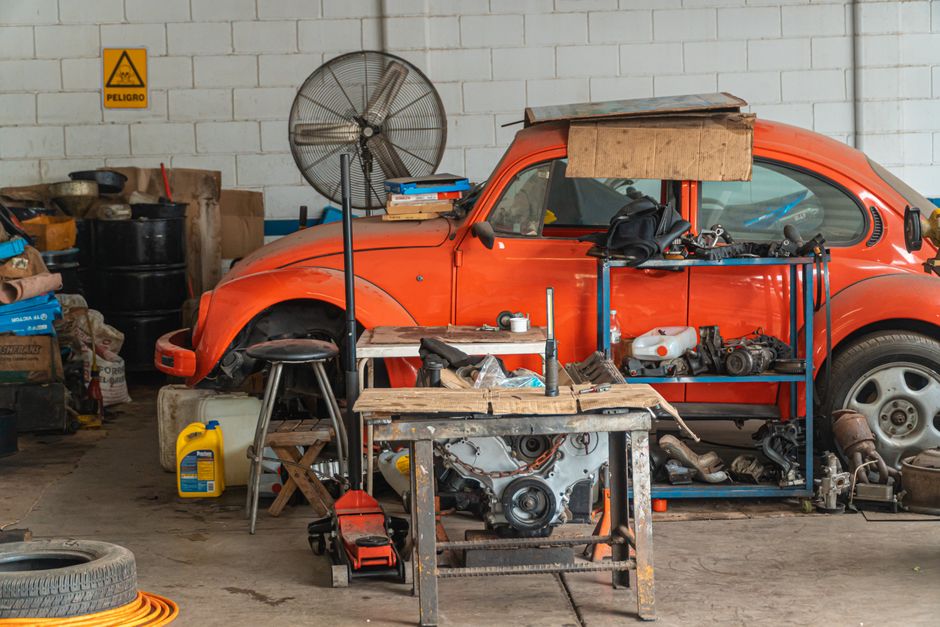
Before you buy a single shelf, do this: draw a top-down map of your garage floor. Mark every car, tool chest, workbench, and door swing.
Now measure the wall space that’s actually usable. I bet it’s 40% less than you thought.
Here’s the rule I wish I’d learned years ago: never put a shelf deeper than 24 inches on a wall you walk past. A 24-inch shelf sticks out two feet. That blocks your path, creates blind spots, and makes you bump into it constantly. Stick to 12-18 inch depth for wall-adjacent shelving. Save the 24-inch+ depth for corner units or areas you never walk past.
I also learned to leave a 30-inch walkway between any shelf and the car. My first layout had a 22-inch gap. Couldn’t open the car door fully. Had to squeeze sideways. Took me two hours to rearrange everything.
Wall-Mounted Systems: The Underused Solution (And Why Gladiator Works)
Floor shelving eats square footage. Wall-mounted systems hang everything off the studs and keep the floor clear. I resisted these for years because I thought they looked flimsy. They’re not — if you install them correctly.
I installed a Gladiator GarageWorks Premier Series wall system ($450 for a 8-foot section with cabinets, hooks, and shelves) in my current garage. The key is the track system — you bolt two steel tracks to the studs, then hang everything on them. Cabinets, shelves, bike hooks, tool rails — all click into the same tracks.
What I like:
- Each track holds 1000 lbs per foot when bolted to studs. That’s not marketing — I hung 400 lbs of lumber on one 4-foot section and it didn’t budge.
- The cabinets ($250-$400 each) are heavy-gauge steel with full-extension drawers. Not the thin stamped stuff.
- You can rearrange hooks and shelves in 30 seconds without tools. Great when your storage needs change seasonally.
What I don’t like: The price. A full wall system costs $800-$1500. The hooks and accessories add up fast. A single tool hook is $12. A bike hook is $20. It’s worth it for a permanent setup, but not for a rental.
Alternative: Rubbermaid FastTrack ($150 for a 4-foot starter kit). Same concept, half the price. The rails are aluminum instead of steel, so max load is 500 lbs per foot. Fine for bikes, garden tools, and light shelves. Not for heavy cabinets or power tools.
My verdict: Gladiator for permanent garages where you want cabinets and heavy storage. Rubbermaid FastTrack for rentals or light-duty tool storage.
Three Mistakes That Cost Me Time and Money

I’ve made every mistake in the book. Here are the three that hurt most:
1. Buying plastic shelving for a damp garage. I bought a $50 plastic shelf unit from Target. Within 6 months, the shelves warped from humidity. The plastic turned brittle. One shelf cracked under a box of holiday decorations. Plastic is fine for closets. Not for garages that see temperature swings and moisture.
2. Not measuring door clearance. I bought a 72-inch tall shelving unit. My garage door opener hangs down at 68 inches. The shelf didn’t fit under it. Had to return it and buy a shorter unit. Measure your garage door clearance, light fixture clearance, and overhead door track clearance before buying anything.
3. Ignoring the floor slope. Garage floors slope toward the door for drainage. A 4-foot level shows about 1/4 inch drop over 8 feet. If you put a freestanding shelf on an unlevel floor, it wobbles. I fixed this by buying adjustable-leveling feet ($12 for a set of 4 at Harbor Freight) and adding them to every shelf. Worth every penny.
Cabinet vs. Open Shelving: The Real Tradeoff (Comparison Table)
I’ve used both extensively. Here’s the honest breakdown:
| Feature | Open Shelving | Cabinets |
|---|---|---|
| Cost per linear foot | $15-$30 (steel shelves) | $80-$200 (NewAge, Gladiator, Husky) |
| Dust protection | None. Everything gets dusty. | Good. Doors keep dust off. |
| Visual clutter | High. You see everything. | Low. Hides the mess. |
| Access speed | Fast. Grab and go. | Slower. Open door, grab, close. |
| Best for | Tools you use weekly, bulk storage | Chemicals, small parts, items you rarely touch |
| Worst for | Small items that get lost | Frequently used tools |
My recommendation: Mix both. Use open steel shelving for things you grab often — drills, extension cords, paint rollers. Use cabinets for everything else. The NewAge Pro 3.0 Series cabinets ($600-$1200 per set) are the best I’ve found for the price. The doors are 20-gauge steel with soft-close hinges. The drawers hold 100 lbs each. I’ve had mine for three years and they look new.
If you can’t afford cabinets, buy clear plastic bins ($8-$15 each at The Container Store) for open shelves. You can see what’s inside without pulling everything out.
When NOT to Buy Shelving (And What to Do Instead)
This might sound strange coming from someone who loves shelving, but: sometimes you don’t need more shelves. You need to get rid of stuff.
I cleared out my garage last year and found: three broken leaf blowers, a treadmill I used twice, 40 feet of old garden hose with leaks, and a box of mismatched hardware from 2012. None of that needed a shelf. It needed a dumpster.
Here’s my rule: if you haven’t used something in 18 months and it’s not a seasonal item (Christmas decorations, camping gear), get rid of it. Sell it, donate it, trash it. Empty space is more valuable than a shelf full of junk.
For the things you do keep, consider these alternatives to traditional shelving:
- Wall hooks for ladders and hoses ($15-$25 each). Keeps them off the floor. I use Everbilt 12-inch heavy-duty wall hooks ($18 for a 2-pack). Holds my 20-foot extension ladder without issue.
- Ceiling-mounted racks for kayaks, canoes, and lumber ($60-$150). Racor Pro HeavyLift ($130) holds 250 lbs and uses a pulley system. Frees up entire wall sections.
- Magnetic tool bars for screwdrivers and wrenches ($15-$25). Magnetool 24-inch magnetic bar ($22) holds 50 lbs of tools. Zero footprint.
The point: before buying another shelf, ask if you can store it on a wall or ceiling instead. You’ll reclaim floor space without spending $200 on a shelf unit.
The Only Garage Shelving System I’d Buy Again
After all the trial and error, here’s my current setup and what I’d recommend for most people:
For the main storage wall: Three Gorilla Racks 2000 Series units (48″ wide, 72″ tall, 18″ deep). Total cost: about $540. They hold everything from lumber to paint cans to power tools. I added leveling feet ($12) and cross-braced them to the wall with L-brackets ($8 each). Rock solid.
For frequently used tools: A Gladiator Premier wall track with three hooks and two small shelves. Cost: about $200. My drills, impact driver, and circular saw hang there. Grab and go.
For chemicals and small parts: Two NewAge Pro 3.0 cabinets (24″ wide each). Cost: about $700 total. Keeps paint, solvents, and fasteners dust-free and out of reach of kids.
Total investment: about $1,450. Sounds like a lot. But I’ve spent more than that on bad shelving that failed. This setup will last 20+ years. My previous cheap shelving lasted 18 months before I replaced it.
If you only buy one thing: Get the Gorilla Racks 2000 Series. It’s the single best value in garage shelving. Skip the wire shelves. Skip the plastic. Buy steel that’s actually rated for real weight. Your garage will thank you.

Recent Comments