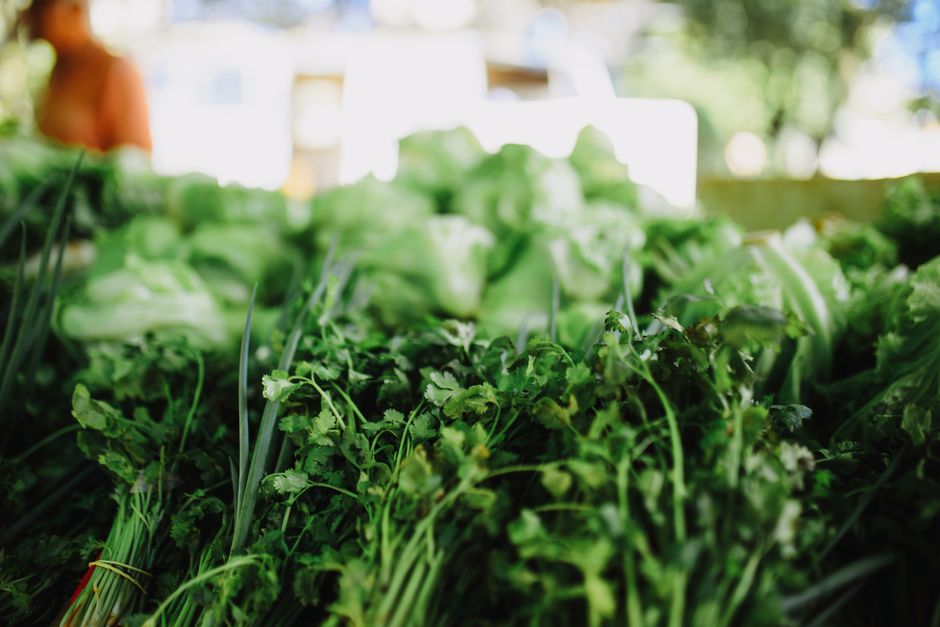
Midsummer heat changes the harvest equation. Herbs lose water quickly, flowers wilt within minutes, and warm leaves bruise more easily than cool ones. The best result comes from timing the cut, reducing heat fast, and harvesting only what you can use or store safely.
Why early morning is the best time to harvest herbs in summer
Cool leaves hold more flavor
The strongest harvest window is usually early morning, after dew has dried but before direct sun reaches the planting bed. At that point, stems still hold the water they absorbed overnight. Basil, mint, parsley, cilantro, dill, and lemon balm all keep a firmer texture when cut before the garden reaches its daily peak temperature.
Heat does more than make leaves limp. It speeds water loss through the leaf surface and can push delicate herbs toward bitterness or a flat aroma. Basil becomes especially fragile after several hours above 85°F, while cilantro and dill can collapse quickly when their stems sit in a hot basket. A morning harvest gives you more time to sort, cool, and use the crop.
Cut for regrowth, not just immediate volume
Use clean scissors or pruners to cut just above a pair of healthy leaves. For basil, pinch or cut above a two-leaf junction and remove flower buds if you want more leaf production. For mint and lemon balm, avoid stripping the lowest third of every stem; leaving active growth helps the plant recover from repeated cutting.
Best verdict: harvest leafy herbs between 7 a.m. and 10 a.m., once surface moisture has dried, and treat the cut material as a chilled food rather than a decoration. The earlier timing protects flavor, texture, and future regrowth better than a large afternoon harvest.
How to harvest herbs in heat without bruising the leaves
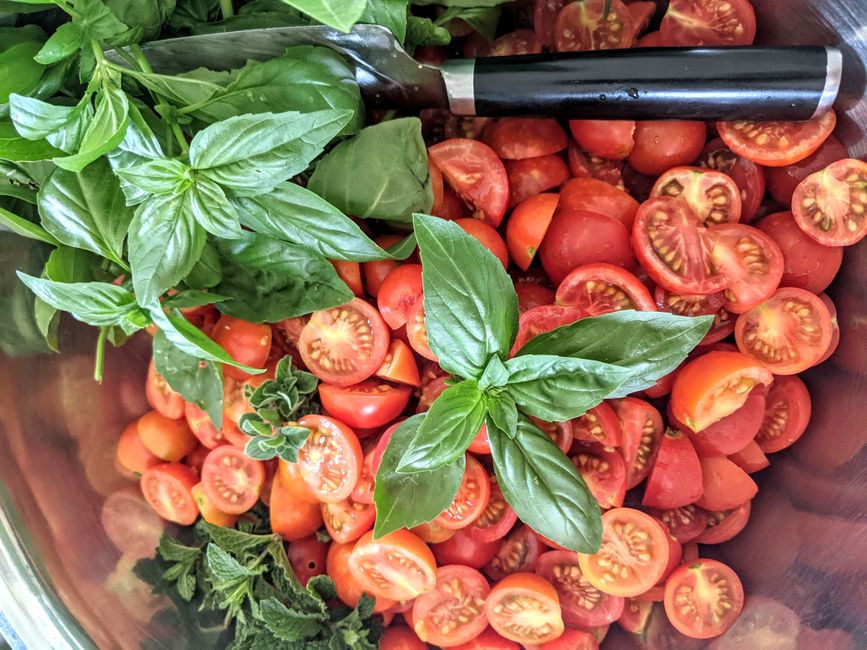
Use this five-step sequence
- Check the plant for insects, disease spots, and flower stalks before cutting. Do not mix questionable leaves with the clean harvest.
- Take a shallow basket or rigid container into the garden. Avoid stuffing warm stems into a deep plastic bag, where trapped heat turns the lower leaves soft.
- Cut stems with one clean motion. Crushing the stem creates dark marks and gives microbes more damaged tissue to enter.
- Move the harvest into shade immediately. A shaded porch, insulated tote, or indoor counter is better than leaving it beside the plant while you continue working.
- Sort and cool the herbs within 20 to 30 minutes. Remove yellow leaves, flower debris, and any stem that looks slimy or broken.
Keep washing until the right moment
For most herbs, washing immediately before storage creates a moisture problem. Wet leaves packed into a container can rot faster than dry leaves. If the harvest contains visible soil, rinse it in cool water, spin or shake off excess water, and spread it on clean towels until the surface feels dry.
For a same-day meal, rinse shortly before chopping. Use a salad spinner for sturdy parsley, cilantro, and mint, but handle basil gently because its leaves mark easily. A clean cotton towel also works when you only have a small handful.
Do not harvest more than the household can process in one session. A smaller cut made twice during the week usually beats one oversized harvest that sits in a warm kitchen. Best verdict: reduce heat and handling first; washing is useful, but rough washing and damp storage cause more losses than a little garden dust.
How should you pick edible blooms at peak midsummer quality?
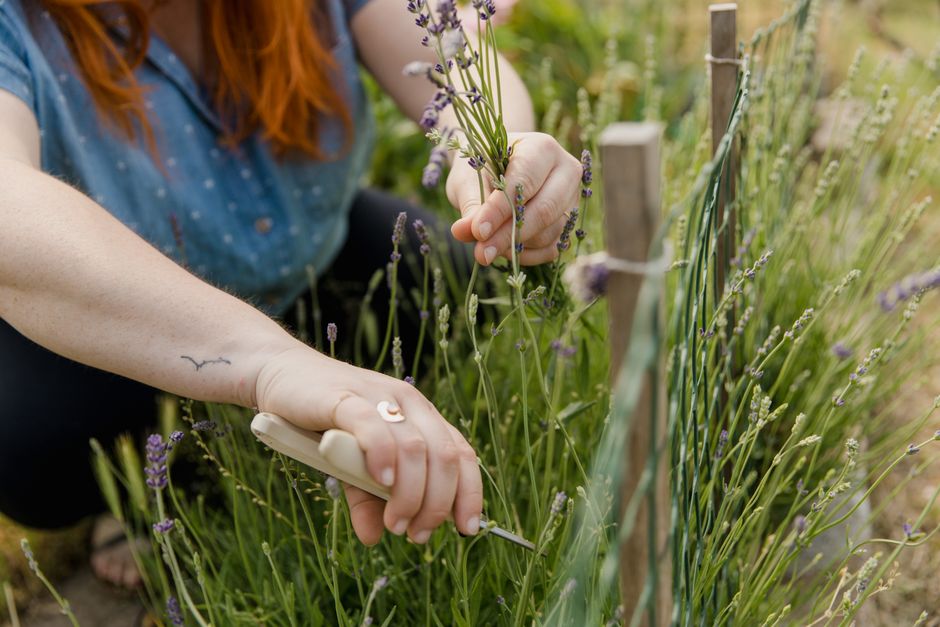
Choose flowers that are fresh, identified, and unsprayed
Pick edible flowers in the cool part of the day, just after they open but before heat has softened the petals. Calendula, nasturtium, viola, borage, and chive blossoms should look crisp, clean, and free from brown edges. Remove insects outdoors, but do not squeeze the flower to force them out; bruised petals darken quickly. Only eat flowers you have identified with confidence and grown without ornamental pesticides. Florist flowers and roadside blooms do not meet that standard.
For salads and desserts, use the petals from larger flowers such as calendula and nasturtium. Small whole flowers work better for borage, viola, and chives. Taste one before collecting a bowl: nasturtium brings peppery heat, borage has a mild cucumber note, calendula can taste resinous, and chive flowers deliver a clear onion flavor.
Use the flower within hours, not days
Keep blooms in a single layer on a damp paper towel inside a shallow container. Do not seal wet petals in a crowded jar. If the flowers look tired, place the stems or bases in cool water for 20 minutes, then drain them well before serving. Best verdict: calendula and nasturtium give the strongest midsummer color and flavor, but viola is the safest choice for delicate decorating because its small petals tolerate short-term chilling better.
Can you wash and store a hot harvest safely?
Should herbs be refrigerated straight away?
Sturdy herbs such as parsley, cilantro, mint, and dill benefit from rapid cooling. Remove damaged leaves, wrap the stems loosely in a barely damp towel, and place them in a ventilated container in the refrigerator. Basil is different: cold temperatures can turn its leaves black. Keep basil upright in a glass with a little water at room temperature and replace the water when it becomes cloudy.
How should edible flowers be handled?
Use edible blooms as soon as possible, ideally on the day you pick them. If you need to hold them overnight, arrange them in a shallow container lined with a lightly damp paper towel and place them in the refrigerator, unless the variety reacts badly to cold. Never soak flowers for long periods because the petals absorb water and lose their shape.
What should be discarded?
Discard leaves or flowers with slime, sour odor, unexplained spotting, or heavy insect damage. Do not try to rescue a warm, wilted harvest by adding it to a sealed container. Cool, dry, clean handling matters more than a complicated storage product. Best verdict: refrigerate sturdy herbs, keep basil warmer, and use edible flowers quickly rather than trying to stretch them through a full week.
Which midsummer harvesting mistakes ruin the crop?
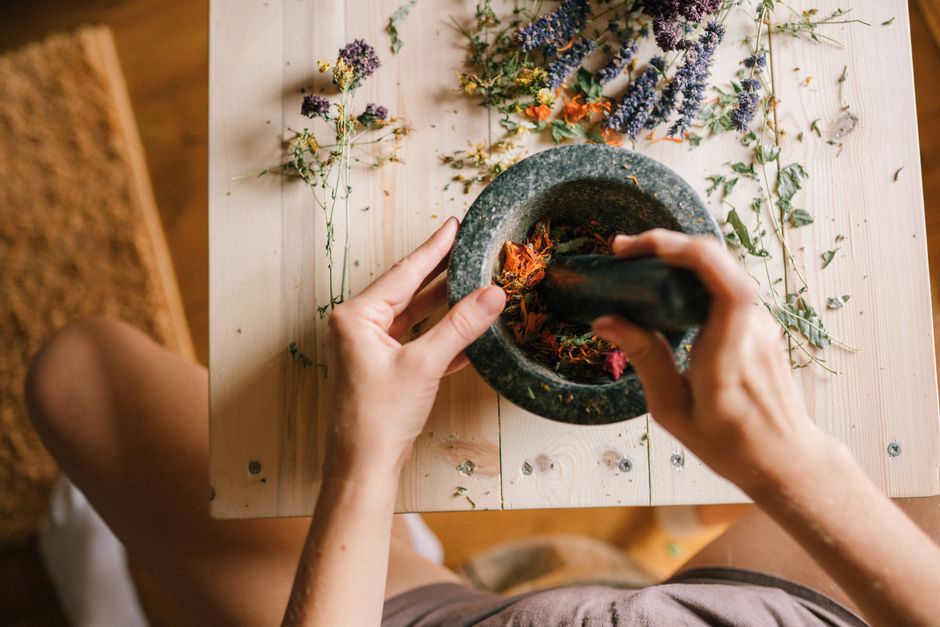
The biggest mistake is harvesting too much at once
My strongest recommendation is simple: cut less, more often. Large harvests look efficient, but they create a pile that warms, bruises, and loses quality before dinner. Repeated smaller cuts also reveal pest damage sooner and give herbs a better chance to produce fresh side shoots.
- Do not harvest during the hottest afternoon hours unless the plant needs urgent trimming.
- Do not pull leaves from the stem when a clean cut would protect the plant and the remaining tissue.
- Do not place warm herbs directly against frozen gel packs; sudden cold can damage tender basil and flowers.
- Do not mix edible flowers with blooms from a florist, nursery display, or chemically treated bed.
- Do not leave cut stems in a parked car, sunny windowsill, or closed greenhouse.
Know when not to harvest
Skip a plant that is visibly wilted from drought until it has recovered. Cutting a stressed plant removes tissue while its water supply is already low. Wait several hours after deep watering, then harvest the following morning. Also skip leaves with powdery mildew, severe chewing, or spray residue that you cannot identify.
Avoid harvesting flowers after heavy rain if you plan to store them. Petals may look fine but carry enough surface moisture to collapse in a container. Best verdict: the winning habit is restraint: harvest dry, cool, healthy material in small batches and leave stressed plants alone.
What does a practical midsummer harvest schedule look like?
A simple 2026 timing chart
| Time | Task | Best candidates | Reason |
|---|---|---|---|
| 7:00-8:00 a.m. | Cut leafy herbs and inspect plants | Basil, parsley, cilantro, mint | Leaves are hydrated before peak heat |
| 8:00-9:00 a.m. | Collect edible blooms | Calendula, nasturtium, viola, borage | Petals are open and still firm |
| 9:00-10:00 a.m. | Cut woody stems and remove damaged growth | Rosemary, sage, thyme | Stems remain cool enough for clean cuts |
| 10:00-10:30 a.m. | Sort, cool, and label | All harvested material | Prevents warm produce from sitting in a pile |
| Late afternoon | Check for a small second cut | Fast-growing mint, basil, chives | Provides dinner herbs without overharvesting |
Match the harvest to the meal
Plan the quantity around the next 24 hours. Cut basil for pesto or pasta on the day you will use it. Pick nasturtiums and violas shortly before serving. Harvest rosemary, thyme, and sage in a slightly larger batch because they tolerate short storage better than soft leaves.
Keep a simple note of the date, weather, and plant response. After three or four harvests, you will know which beds dry quickly, which flowers wilt first, and how much each plant can spare. That record is more useful than a generic harvest calendar because it reflects your garden’s soil, shade, and heat.
Best verdict: the most reliable midsummer routine is an early leafy-herb cut, a cool flower harvest, immediate sorting, and a small optional evening trim. Harvest timing protects more flavor than any storage gadget.
The single most important takeaway is to harvest dry, healthy herbs and edible blooms early, cool them quickly, and cut only what you can use well.