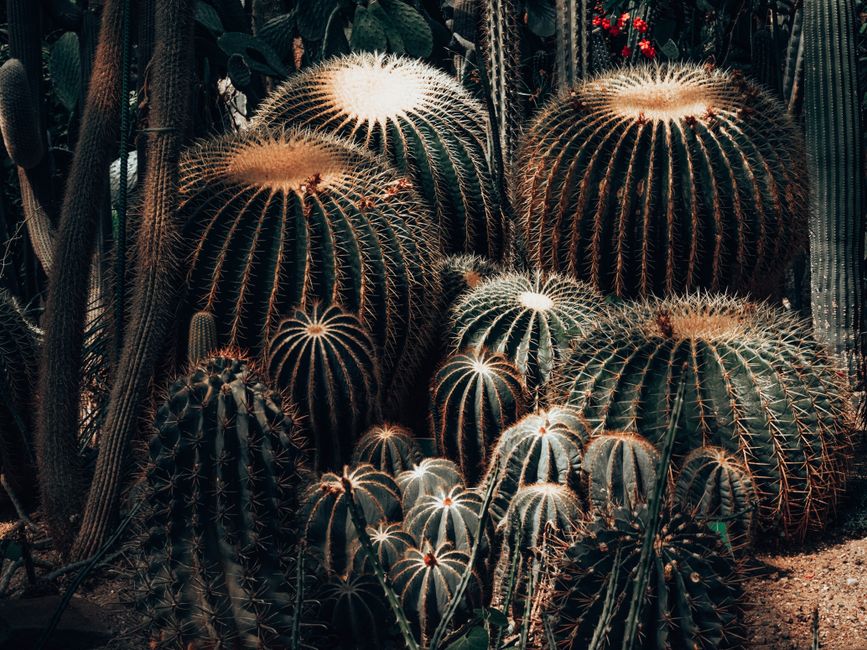
Your border looked full in May. By the first week of July, the soil is cracked, the flowers have flopped, and every plant seems to be asking for another drink. The answer is not filling every gap with thirsty annuals. A convincing low-water border needs layers, repeated shapes, enough soil space, and plants that can handle heat after their roots settle.
This guide treats the job like a careful household purchase. The plants below have typical North American retail planning prices for 2026, but local nursery costs vary.
How to read a July planting site before buying
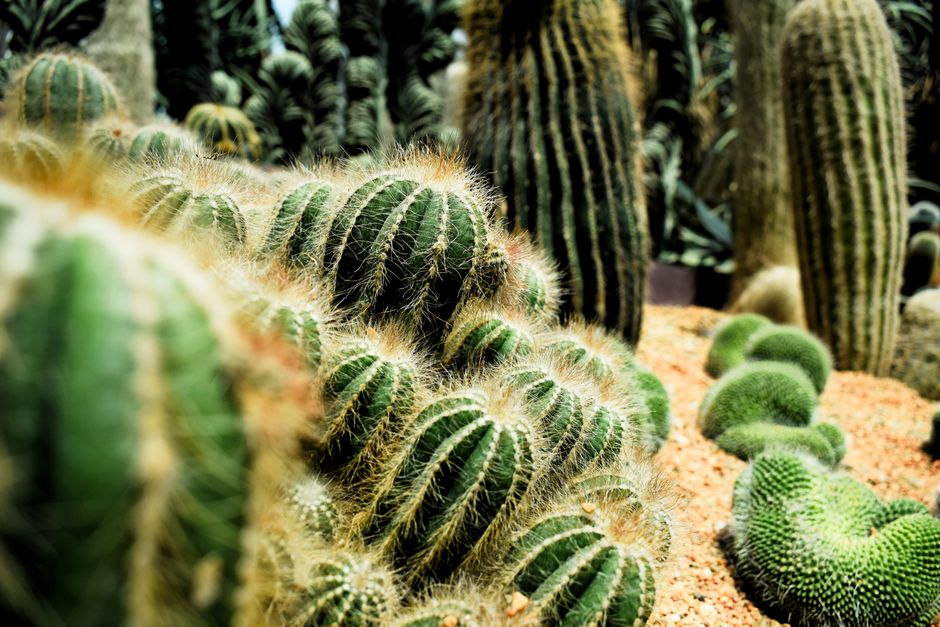
1. Measure the light
- Watch the bed for one clear day and record direct sun. Six or more hours counts as full sun for most sun-loving drought-tolerant plants. Four to six hours is part shade, especially if a wall or tree blocks afternoon light.
- Mark the hottest strip beside paving, brick, or a south-facing wall. That soil can dry much faster than the rest of the border.
2. Test the soil below the surface
- Dig a hole 12 inches deep and fill it with water.
- Fill it again after the first soak drains. If water remains after several hours, improve drainage before planting dry-climate species. If the hole empties within minutes and the soil is sandy, add organic matter and plan for longer soak times.
- Do not turn the whole bed into rich compost. Excess fertility can produce soft, leafy growth that wilts quickly and needs more water.
3. Set a real maintenance limit
Decide how often you will water in August, not how enthusiastic you feel in July. If the answer is once a week, choose tough perennials, mulch properly, and avoid a bed packed with shallow-rooted bedding plants. If you can water every other day, you have more design freedom, but the border is no longer truly low maintenance.
My verdict: buy for the site you have, not the garden you imagine after a cool spring. A plant that survives your hottest corner beats a cheaper plant that needs replacing in September.
How to plant drought-tolerant plants in July without losing them
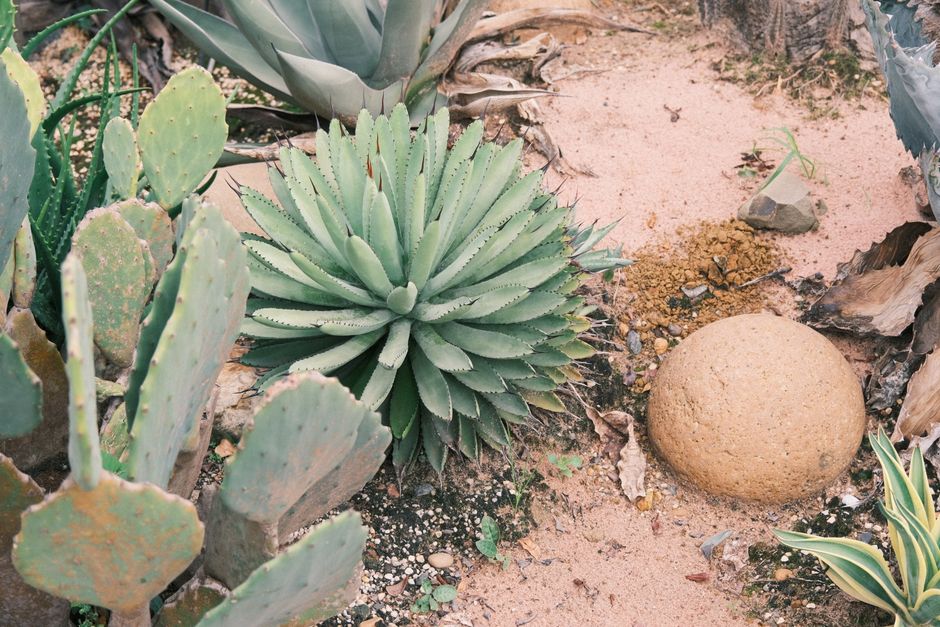
Use a short planting sequence
- Water the nursery pots thoroughly one to two hours before planting. A dry root ball can repel water after it goes into the ground.
- Plant after 5 p.m. or on a cloudy day. The goal is to reduce heat stress during the first night, not to make the plant live without water.
- Dig a hole about twice as wide as the root ball and no deeper than the soil level in the pot.
- Tease circling roots gently. Do not shred the entire root ball.
- Backfill with the native soil you removed. If the soil is very poor, mix in a modest amount of finished compost rather than creating a soft, rich pocket.
- Water slowly until the whole root zone is wet. Repeat once after the water drains.
- Apply 2 to 3 inches of mulch, leaving a bare ring around the crown or stem.
Adjust the follow-up water
For the first two weeks, inspect the soil every day. That does not mean watering every day. Water when the upper 2 to 3 inches dry, then soak deeply. In weeks three through six, stretch the interval while increasing the amount applied at each session. This trains roots to move outward and downward.
Do not fertilise heavily at planting. A large nitrogen dose pushes fast foliage when the plant should be building roots. July planting succeeds through root contact, shade during the first few hot afternoons, and steady moisture at the base.
The expensive mistakes that make low-water borders fail
My strongest opinion: the most expensive mistake is overplanting. Gardeners see small pots, calculate the empty spaces, and plant too closely. The bed looks lush for six weeks, then crowded roots compete for water. Plants become floppy, mildew spreads through trapped foliage, and the owner starts watering more often to rescue a design that was too dense from the start.
Three mistakes that deserve a hard no
- Using gravel as a substitute for drainage. A gravel layer under ordinary soil can trap water above it. Improve the soil structure or choose plants that suit the existing drainage.
- Watering lightly every evening. This encourages shallow roots and leaves the surface damp while deeper soil stays dry. One slow soak is more useful than several brief sprays.
- Choosing a plant from the wrong climate zone. A plant labelled drought tolerant may still struggle with humid nights, heavy clay, winter wet, or severe cold. Read the hardiness range and inspect the mature size.
When not to buy the lowest-water option
Do not choose a highly drought-adapted plant for a bed that stays wet after rain. Do not place a sun-loving plant beneath a tree and blame the plant when it stretches. Do not buy a large grass for a narrow border simply because its mature photo looks impressive. The right plant is the one that matches light, drainage, mature size, and your watering habit.
My verdict is blunt: spend more on soil preparation if the site is wrong, and spend less on decorative extras. A $20 plant in suitable soil is cheaper than three $10 replacements.
When should you choose natives, grasses, or summer annuals?
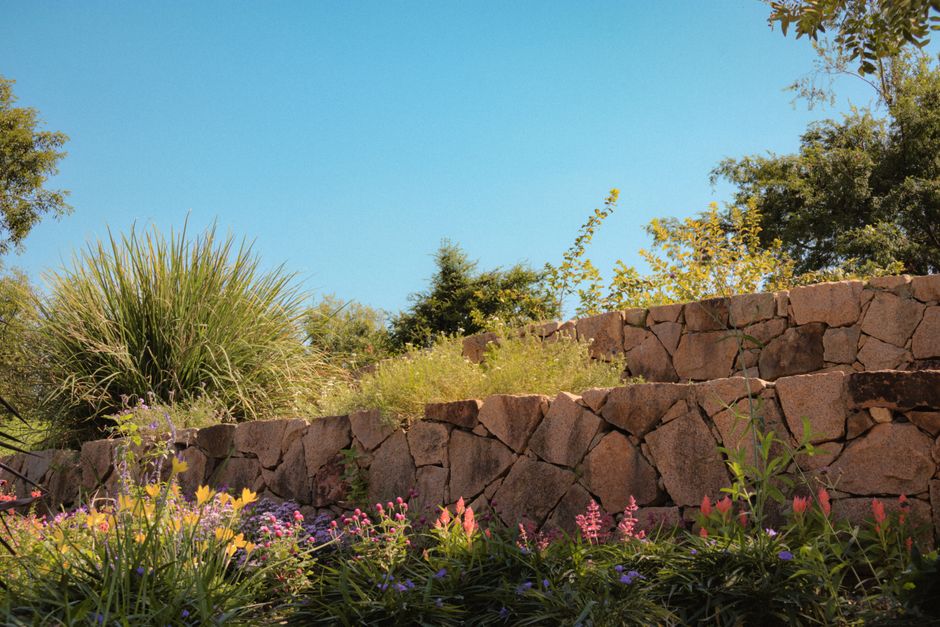
Choose native perennials for resilience and wildlife value
Native plants are the strongest choice when the border connects to a wider habitat or when you want pollinators to find a reliable food source. They still need watering after planting, and “native” does not mean every species suits every garden. Match the plant to the local soil and moisture pattern. A native wetland plant will not become a dry-border plant because it came from your state.
Choose ornamental grasses for structure, not instant colour
Panicum virgatum ‘Northwind’ is a good example of a grass that earns its 30- to 36-inch spacing. It gives a vertical shape, catches wind, and keeps form after flowering. The tradeoff is patience: a newly planted grass may look modest in its first summer. Use three plants in a repeated drift if the budget allows, rather than placing one lonely specimen in each gap.
Choose summer annuals only where you can water
Annuals can fill a July border quickly, but they often create the highest recurring water bill. A hanging basket or container dries faster than ground soil, and a mass of flowering annuals may need water every one to three days in hot weather. Use them near the house where a hose is easy to reach, not at the far end of a large bed.
My clear preference is native or climate-suitable perennials for the main structure, grasses for height, and a small number of annuals near paths or seating. That mix gives immediate interest without turning the entire border into a daily watering task.
My 2026 shortlist for a lush, low-water border
For a sunny border with average drainage, I would build the planting in three layers. Start with a repeated edge of Lavandula ‘Hidcote’ or another compact lavender. Add groups of Salvia ‘Caradonna’ and Achillea ‘Moonshine’ through the middle. Finish with two or three Hylotelephium ‘Autumn Joy’ plants and one or more Panicum ‘Northwind’ grasses at the back, depending on bed width.
This layout gives colour, foliage contrast, seed-head interest, and height without pretending that drought-tolerant means maintenance-free. Water all new plants deeply during their first season. Cut back only what has finished its job. Leave sturdy seed heads through winter if birds and structure matter to you.
For a 10-foot border, a sensible first phase might contain five lavender plants, five salvias, three yarrows, three sedums, and two grasses. At the planning prices above, that is roughly $178 to $286 before soil amendments, mulch, or irrigation. Planting half the border this year and repeating the same palette next year is often a better use of money than buying a full assortment of one-offs.
| Garden situation | Best choice | Reason | Main warning |
|---|---|---|---|
| Hot, dry, sharply drained edge | Lavandula ‘Hidcote’ | Compact shape and fragrant foliage | Dislikes wet winter soil |
| Sunny middle layer with repeat colour | Salvia ‘Caradonna’ | Upright stems and useful rebloom | Needs cutting back for a second flush |
| Silver foliage and long display | Achillea ‘Moonshine’ | Handles dry soil once established | Can spread if left unchecked |
| Late-season interest | Hylotelephium ‘Autumn Joy’ | Strong stems and lasting seed heads | Can flop in rich, wet soil |
| Back-of-border height | Panicum ‘Northwind’ | Four- to five-foot structure and movement | Too large for narrow beds |
Bottom line: for the fullest look with the fewest repeat purchases, use repeated plants, leave enough space for mature width, and reserve summer annuals for places you can easily water. A lush July border is built by design discipline, not by keeping every plant thirsty and crowded.
Plant prices, water costs, and garden-centre payment terms vary by location; check the full price and any APR, annual fee, or late fee before using credit for a garden purchase.