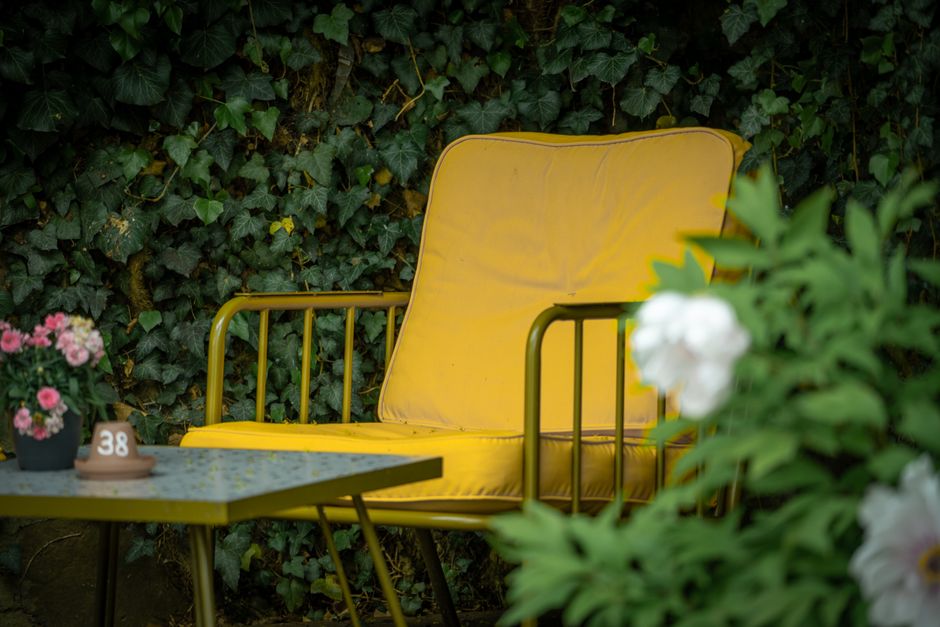
One millimetre of rain puts roughly 250 millilitres of water onto a 50cm-square cushion. That is almost a mugful landing on one seat before anyone sits down. The fix is not simply buying the thickest cushion available. You need the right cover, a filling that can release water, and a short evening routine that stops moisture sitting against the fabric overnight. Use the steps below to create a soft seating area that stays comfortable through the wettest June forecast.
Which cushion materials dry fastest outdoors?
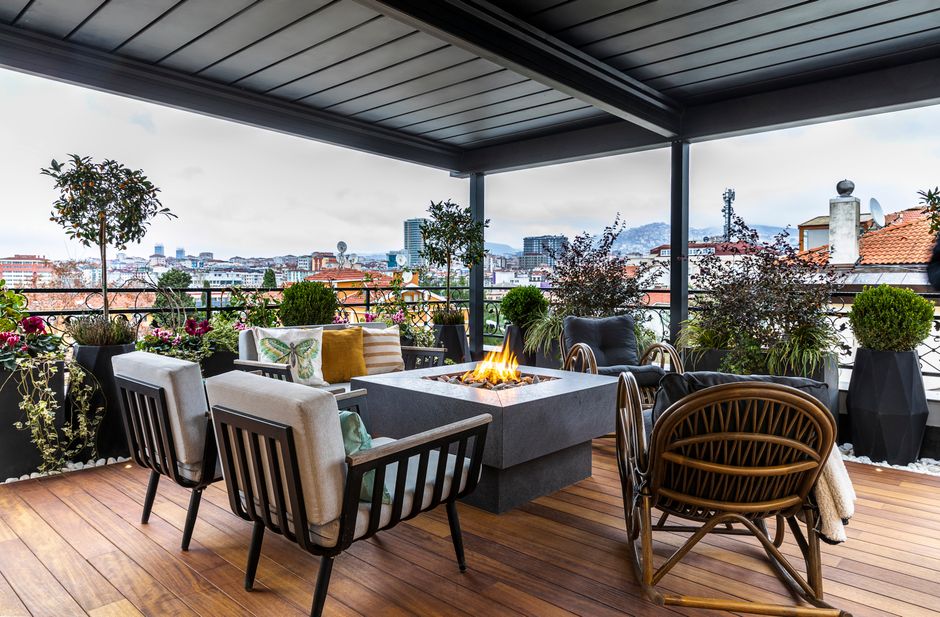
Start with the filling and cover as separate decisions. The cover deals with rain, dew and stains; the filling controls how quickly the seat returns to a usable condition. The table shows the trade-offs for a typical June seating area.
| Material | Typical drying behaviour | Best use | Main failure |
|---|---|---|---|
| Quick-dry foam | Fastest when raised and ventilated; water passes through open cells | Uncovered benches and seats used most evenings | Costs more and can feel firmer |
| Standard polyurethane foam | Slow; holds water inside the cushion | Covered patios with reliable dry storage | Musty smell after repeated wet nights |
| Polyester fibre | Moderate; dries well when the cover comes off | Back cushions and lightly padded seats | Can flatten or clump over time |
| Solution-dyed acrylic cover | Surface dries quickly and resists fading | Exposed seating with strong summer sun | Still needs seam and zip protection |
| Cotton or linen blend | Slow after soaking; pleasant but absorbent | Covered sheds, verandas and dry-weather use | Stains and mildew arrive quickly if stored damp |
Choose the cover by exposure
For a fully exposed bench, use a tightly woven solution-dyed acrylic or outdoor polyester cover. Solution-dyed colour runs through the fibres instead of sitting only on the surface, so sun fading is slower and light cleaning is safer. For a covered sanctuary, a removable polyester or linen-look cover can work well because the roof handles most of the rain. Check the care label before buying: a removable cover that can be machine washed at 30 or 40 degrees is far easier to maintain than a fixed cover that needs spot cleaning.
Choose the filling by drying time
Use quick-dry foam for seats that will stay outside between uses, especially on a slatted bench. Use polyester fibre for back cushions that you can bring indoors each night. Avoid thick standard foam when the seating has no roof and no dry storage. The cushion may feel soft in the showroom, but softness does not tell you how much water it will hold after a storm.
How to prepare a damp-proof seating area in ten minutes
The most reliable setup combines a breathable cushion, a raised resting place and a simple storage decision made before the evening gets cold. These steps take less time than wiping down a soaked bench the next morning.
Step-by-step evening routine
- Check the base. Remove leaves and standing water from the bench or chair. A small hand brush and an absorbent microfibre cloth are enough.
- Lift the seat. Do not leave the cushion flat on timber or metal after use. Stand it on its long edge so air reaches the underside.
- Open the weak point. If the cushion feels damp, unzip the cover by 5cm and leave the inner pad in a sheltered, airy place. Close it fully once dry.
- Use a known outdoor system. The IKEA FRÖSÖN cushion cover is made for outdoor use in a 50x50cm format, and the matching DUVHOLMEN inner cushion gives you a removable cover and replaceable pad rather than one sealed block.
- Cover the furniture, not wet cushions. A ventilated furniture cover can protect a bench, but leave space at the bottom for air to escape. Do not pull a tight cover over cushions that are already wet.
- Check the forecast before storing. If rain is likely for several hours, move the cushions into a shed, porch or indoor cupboard. A dry storage box is useful only when the cushions enter it dry.
Best fabric upgrade for an exposed seat
For a high-use seat under open sky, Sunbrella Canvas is the strongest material choice in this group because its solution-dyed acrylic construction handles sun, light rain and repeated cleaning better than ordinary indoor fabric. It still needs a slatted base and sensible storage; no cover turns a cushion into a waterproof object. Use it for the outer cover, then choose a quick-dry filling so water has somewhere to leave.
What to keep in the shed
Store one 30cm microfibre cloth, a soft brush, a breathable cushion bag and a small drying rack beside the door. The rack matters more than a larger box because it lets air pass around each cushion. Label the bag for seat cushions and back cushions separately so you do not stack a wet seat beneath a dry one.
Spend money on the cover before the decorative extras

My clear recommendation is to buy washable, weather-rated covers before adding throws, bolsters or oversized scatter cushions. A well-made cover protects the filling and gives you a realistic cleaning route, while decorative layers often create more damp surfaces to manage.
Best choice for an uncovered bench
Choose the IKEA FRÖSÖN 50x50cm cover with a compatible DUVHOLMEN inner when you want a replaceable, modular setup at a modest size, or choose Sunbrella Canvas when the seat receives strong sun and frequent use; the IKEA system wins for easy replacement, while Sunbrella wins for fabric durability and colour retention, so the practical winner for a small everyday seating area is FRÖSÖN with the cushion lifted indoors after rain.
Best choice for a covered garden room
The Fatboy Original Outdoor beanbag, measuring about 180x140cm, makes sense only when you have generous floor space, a dry storage plan and a relaxed seating style, because its large shape takes longer to dry and is awkward to move alone; for most sheds, sanctuaries and narrow patios, a pair of removable 50cm seat cushions is the better purchase.
Do not pay extra for a waterproof label if the product has a fixed cover, no stated care temperature and no guidance for storage after rain.
For a damp June garden, the winning combination is washable acrylic or polyester fabric, quick-dry filling, removable covers and a raised storage position.
Common outdoor cushion mistakes and better alternatives
The biggest failures happen after purchase, when a cushion is treated like indoor furniture with a prettier fabric. Use these answers to catch the problem before it becomes a smell, stain or expensive replacement.
What should you do if cushions smell musty?
Take the cover off, brush away loose dirt and wash it at the temperature printed on the care label. Dry the cover and inner pad separately in moving air. Do not spray perfume over the smell and do not put the cushion back into a closed box while the filling feels cool. If mildew has spread through the foam, replacement is safer than trying to mask it, especially on a cushion used next to food.
When should you avoid outdoor cushions altogether?
Skip loose soft furnishings when the seating is beside an open pond, under trees that drip for hours, or in a garden used only once every few weeks with no dry storage. A slatted timber bench with a washable seat pad used only during dry spells will cause fewer problems. Choose a dry indoor cushion and carry it outside for each meal instead of buying a full outdoor set that remains damp for days.
What is the most common buying mistake?
People measure the seat but ignore the storage space. Before ordering, measure the cupboard or shed shelf, then add the compressed height of every cushion. A 50x50cm seat may fit the bench perfectly but still block the door when three wet cushions are stacked together. For June 2026, the safest final setup is a washable 50cm cushion, quick-dry filling, a ventilated cover and a dry place within one minute of the seating area.