
Cozy Autumn Home Decor: Fix the Overheated, Cluttered Look
The problem with most autumn decor is not a lack of effort. It is a lack of editing. You walk into a room in October and see a traffic jam of orange faux leaves, a ceramic pumpkin that looks like it survived a house fire, and a cinnamon-scented candle that gives you a headache. The room feels smaller. Warmer in the wrong way. Cluttered.
I spent years making that mistake. Then I started treating fall decorating like layering clothes for a cold morning. You do not put on a heavy parka, a scarf, and a hat all at once and expect to feel good indoors. You add a sweater. You change your socks. You swap the iced coffee for tea. The same logic applies to your living room, bedroom, and entryway.
This guide is about fixing the specific failure points that make autumn decor look cheap, cluttered, or like a retail display. No craft-store explosions. No fake leaf garlands draped over every flat surface. Just clear rules for a warm, layered home that feels intentional in 2026.
The Real Problem: You Are Decorating for a Season, Not a Room
Stop buying seasonal decor in a vacuum. A ceramic pumpkin that looks charming on a store shelf might look ridiculous on your mid-century modern console table. The first question is not “What says fall?” The first question is “What does this room already need?”
Autumn decor works best when it solves a functional or sensory problem in a specific room. The living room needs better lighting as daylight hours shrink. The bedroom needs warmer textiles because you sleep better in a slightly cooler room with heavier blankets. The entryway needs a place to drop wet shoes and coats. None of those needs are solved by a glitter-covered gourd.
Here is the shift that changed everything for me: decorate for the room first, the season second. If a room feels cold, add warmth. If a room feels flat, add texture. If a room feels cluttered, remove things before adding anything. The season is a filter for color and material, not an excuse to pile on more objects.
Skeptics will say this sounds obvious. But walk through any home in October and count the number of purely decorative items that serve no function and do not match the room’s existing style. That is the failure mode. You are buying objects for a temporary season instead of upgrading the room’s permanent comfort.
Layer One: Replace Textiles Before You Buy a Single Pumpkin
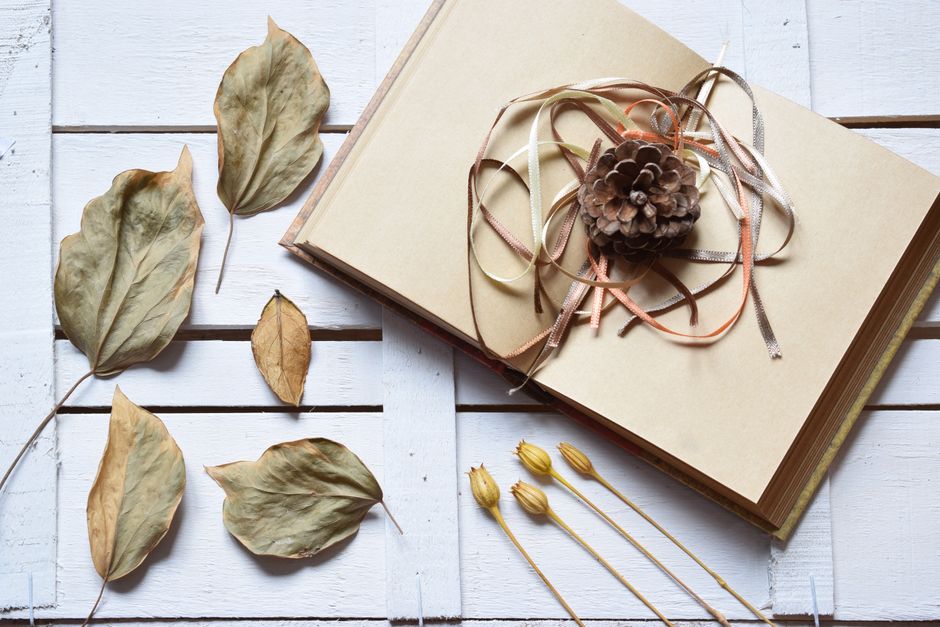
Textiles do more heavy lifting than any decorative object. A room feels cozy when your body feels comfortable in it. That means what you touch matters more than what you see.
Start with throw blankets you will actually use
Skip the thin acrylic throws that pill after two washes. Look for a chunky cotton or wool-blend throw in a muted autumn tone. The Chunky Knit Weighted Throw from Bearaby ($199) works if you want something substantial that doubles as a calming tool. For a budget option, the IKEA VINDKAST throw ($29.99) in a warm rust or oat color is surprisingly soft and washes well. One throw per seating area is enough. Two is overkill unless you have a large sectional.
Swap pillow covers, not pillows
Do not buy new throw pillows every season. That is a storage nightmare. Buy pillow covers. The H&M Home Washed Linen Cushion Cover ($12.99) comes in deep terracotta and olive tones that read as autumn without screaming pumpkin spice. Swap out two or three covers in your living room. Keep the rest neutral. The contrast between textured autumn covers and your existing neutral pillows creates depth without clutter.
Layer a wool or jute rug in the entryway
The entryway is the first room you feel when you come home. A flatwoven wool rug in a warm geometric pattern catches dirt and gives your feet a soft landing. The Ruggable Kamran Rug ($119 for a 2.5×7 runner) is machine-washable, which matters when you are tracking in wet leaves and mud. Do not put a high-pile shag rug in the entryway. It will mat down and look dirty within two weeks.
Color Rules for 2026: Drop the Orange, Keep the Rust
Here is my blunt opinion: bright orange is the fastest way to make your home look like a big-box store display. It fights with most existing color palettes. It reads as costume rather than cozy. What actually works in 2026 is a muted, earthy palette that borrows from autumn but does not shout it.
| Color | Works With | Avoid Pairing With | Best Use |
|---|---|---|---|
| Burnt sienna / rust | Navy, cream, olive, charcoal | Bright red, hot pink | Throw pillows, blankets |
| Olive green | Warm white, tan, brass | Kelly green, neon yellow | Curtains, table linens |
| Warm oat / camel | Almost everything | Stark white, cool gray | Rugs, upholstery |
| Deep plum | Gold, rust, warm gray | Bright purple, black | Accent chairs, candles |
| Charcoal brown | Cream, rust, olive | Black, navy | Picture frames, vases |
The table above is your cheat sheet. Pick two or three of these colors and repeat them across rooms. Consistency creates calm. A rust throw in the living room, a rust candle in the bathroom, and a rust hand towel in the kitchen tie the home together without buying a single themed item.
One mistake to avoid: buying a “fall color palette” from a paint store and repainting a wall. Paint is a permanent commitment. Test a sample first. The Benjamin Moore Wenge (AF-180) is a deep brown that reads as cozy in low light but looks almost black in bright sun. The Farrow & Ball Dead Salmon (No. 28) is a muted terracotta that works beautifully in dining rooms but can look pink in north-facing rooms. Always test before committing.
Lighting: The Cheapest Cozy Upgrade You Are Ignoring

Autumn means shorter days and lower sun angles. Your home’s lighting changes even if you change nothing. That is why lighting should be your first upgrade, not your last.
The rule is simple: no overhead lights after sunset. Overhead lighting flattens a room and kills coziness instantly. Use table lamps, floor lamps, and candles instead. Aim for warm white bulbs between 2700K and 3000K. Anything higher than 3000K starts to feel like a hospital.
My specific recommendation: the Philips Hue White Ambiance Starter Kit ($129.99) lets you set warm scenes and schedule them to turn on before you get home. If you do not want smart bulbs, the IKEA TÄRNABY table lamp ($24.99) with a warm bulb works fine. Place one lamp in each corner of the living room. The light should pool, not glare.
Candles are the final layer. But skip the overly sweet cinnamon-apple-pumpkin scents. They smell like a chemical spill. Look for earthy, smoky, or woody scents. The Boy Smells Hinoki Fantôme candle ($48) has a warm cedar and cardamom profile that feels autumnal without being dessert-like. For a budget option, the Trader Joe’s Cedar Balsam Candle ($3.99, seasonal) is shockingly good. Burn it in the evening only. Scent should be a background note, not a punch in the face.
Natural Materials Beat Plastic Every Time
This is the section where most autumn decor fails. Plastic pumpkins. Faux leaves with visible wire stems. Glitter-covered pinecones. These items look cheap because they are cheap. They also end up in a landfill by December.
Natural materials age better, feel better, and photograph better. Dried eucalyptus, real pumpkins, birch branches, wool, linen, wood, and stone all read as authentic. They do not need to be perfect. A slightly lopsided real pumpkin looks charming. A slightly lopsided plastic pumpkin looks defective.
Here is a practical list of natural swaps:
- Swap plastic pumpkins for real heirloom varieties. The Jarrahdale pumpkin (blue-gray) and the Long Island Cheese pumpkin (pale tan) last for months indoors if kept out of direct sun. Expect to pay $8–$15 each at a farmers market.
- Swap faux leaf garlands for dried eucalyptus or preserved oak branches. A bundle of dried eucalyptus costs $10–$15 and lasts all season. It also smells subtle and fresh, not like a craft store.
- Swap plastic table runners for a linen or cotton runner. The Williams Sonoma Washed Linen Table Runner ($39.95) in a rust or olive tone works for Thanksgiving and everyday dinners.
- Swap glitter pinecones for real pinecones, acorns, or dried seed pods. Collect them from your yard for free. Bake them at 200°F for 30 minutes to kill any bugs. That is it.
The skeptic view: natural materials cost more upfront and do not last forever. True. But a $12 real pumpkin that lasts three months is a better value than a $6 plastic pumpkin that looks bad and gets thrown away after one season. And natural materials do not need to be stored in a bin in your garage for eleven months of the year.
When Not to Decorate for Autumn
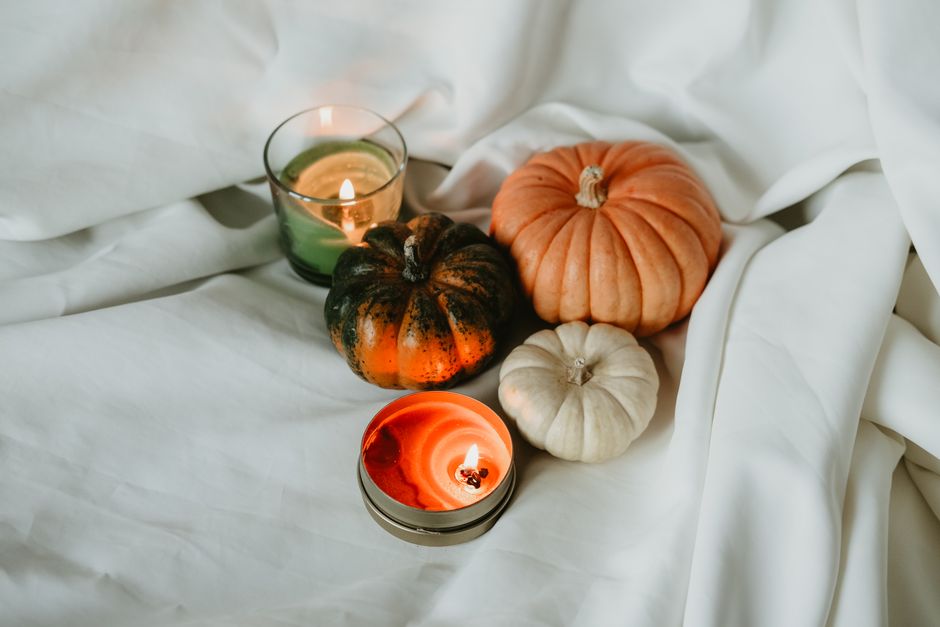
Do not decorate for autumn if your home is already visually busy. If you have open shelving crammed with books, plants, and objects, adding seasonal decor will make it worse. The first step is always subtraction. Clear the surfaces. Put away the summer items. Then decide if you even need to add anything.
Also skip autumn decor if you live in a warm climate where the season does not change. A home in Phoenix with faux fall leaves and wool throws looks disconnected from reality. In that case, focus on subtle shifts: swap bright florals for dried grasses, add a warm-toned candle, and call it done.
Finally, do not decorate for autumn if you are doing it because social media tells you to. The goal is a home that feels good to you, not a home that photographs well for strangers. If you hate orange, skip orange. If you hate candles, skip candles. Cozy is a feeling, not a checklist.
That said, if your home feels cold, flat, or unwelcoming as the weather shifts, start with textiles. One good throw and two pillow covers will do more than a cart full of themed decor from a big-box store. That is the compressed verdict. Everything else is optional.

Recent Comments